Ultimate Guide: Nattokinase Dosage for Long COVID Microclots
Reclaim your vitality with the right nattokinase dosage for long COVID microclots.
Key Takeaways
- Understanding the correct nattokinase dosage for long COVID microclots is crucial for effective recovery and symptom relief.
- Nattokinase, an enzyme from fermented soybeans, helps break down fibrin microclots, a key driver of many persistent long COVID symptoms.
- Combining nattokinase with other compounds like bromelain and a structured protocol can significantly enhance its clot-busting efficacy.
Matt's take: Many people try nattokinase for long COVID but give up because they don't see results. The problem often isn't the compound itself, but the dose and duration. You need consistent, therapeutic dosing, often higher than typical recommendations, and a stack that includes other synergistic compounds to truly tackle the fibrinolytic resistance seen with spike protein microclots. I've found a sustained 6,000 FU per day for at least 60-90 days, along with bromelain, to be the minimum effective starting point for noticeable change.
Are you grappling with persistent fatigue, brain fog, or mysterious aches and pains after a COVID infection? Many long-haulers discover their bodies are battling an unseen enemy: microclots. These tiny, fibrin-rich blood clots can wreak havoc on your circulation and oxygen delivery, leading to debilitating long COVID symptoms. But what if there was a natural enzyme that could help dismantle these insidious formations? This ultimate guide will explore the optimal nattokinase dosage for long COVID microclots, offering a pathway to reclaim your health and vitality.
The Lingering Shadow: Understanding Long COVID Microclots

Long COVID is a complex, multi-system illness affecting millions worldwide. One of the most significant and well-documented underlying issues is the persistence of fibrin microclots. These abnormal clots are resistant to the body's natural fibrinolytic enzymes and can block capillaries, impairing blood flow and oxygen exchange to tissues and organs. This compromised circulation contributes to a wide array of symptoms, from debilitating fatigue and cognitive dysfunction to shortness of breath and muscle pain. Recognising these microclots as a central problem is the first step towards effective intervention.
When your microcirculation is compromised, your cells simply don't get the oxygen and nutrients they need to function properly. This creates a state of chronic cellular stress and inflammation. Standard blood tests often miss these microclots, leading to frustration and misdiagnosis for many long COVID sufferers. Advanced diagnostics, such as fluorescence microscopy, are sometimes used to identify them. However, for many, the constellation of symptoms points clearly to this underlying issue, making targeted treatments essential. Addressing these clots is paramount for a full recovery.
Nattokinase Explained: Your Natural Clot Buster
Nattokinase is an enzyme derived from natto, a traditional Japanese fermented soybean dish. For centuries, natto has been recognised for its health benefits, particularly its potent fibrinolytic activity. This means nattokinase has a unique ability to break down fibrin, the protein that forms the meshwork of blood clots. Unlike many pharmaceutical blood thinners, nattokinase works by directly degrading fibrin and also enhances the body's natural plasmin activity, further supporting clot dissolution. Its natural origin makes it an attractive option for those seeking gentle yet powerful support.
The scientific community has shown increasing interest in nattokinase for its potential cardiovascular benefits. Studies suggest it can help reduce blood viscosity, improve circulation, and even lower blood pressure. For long COVID, its ability to specifically target and break down resistant fibrin microclots makes it a critical tool in the recovery arsenal. Many people are now looking to this natural enzyme as a way to support their body's ability to clear these persistent blockages and restore healthy blood flow. It's a compound with a rich history and a promising future in natural health.
Finding the Right Nattokinase Dosage for Long COVID Microclots

Determining the optimal nattokinase dosage for long COVID microclots is a key factor in achieving therapeutic benefits. While general health recommendations might suggest lower doses, tackling stubborn, resistant microclots often requires a more robust approach. Standard doses typically range from 2,000 to 4,000 Fibrinolytic Units (FU) per day, but for long COVID, many practitioners and individuals report success with higher doses. A common starting point that has shown efficacy in anecdotal reports and small studies is often around 6,000 FU per day.
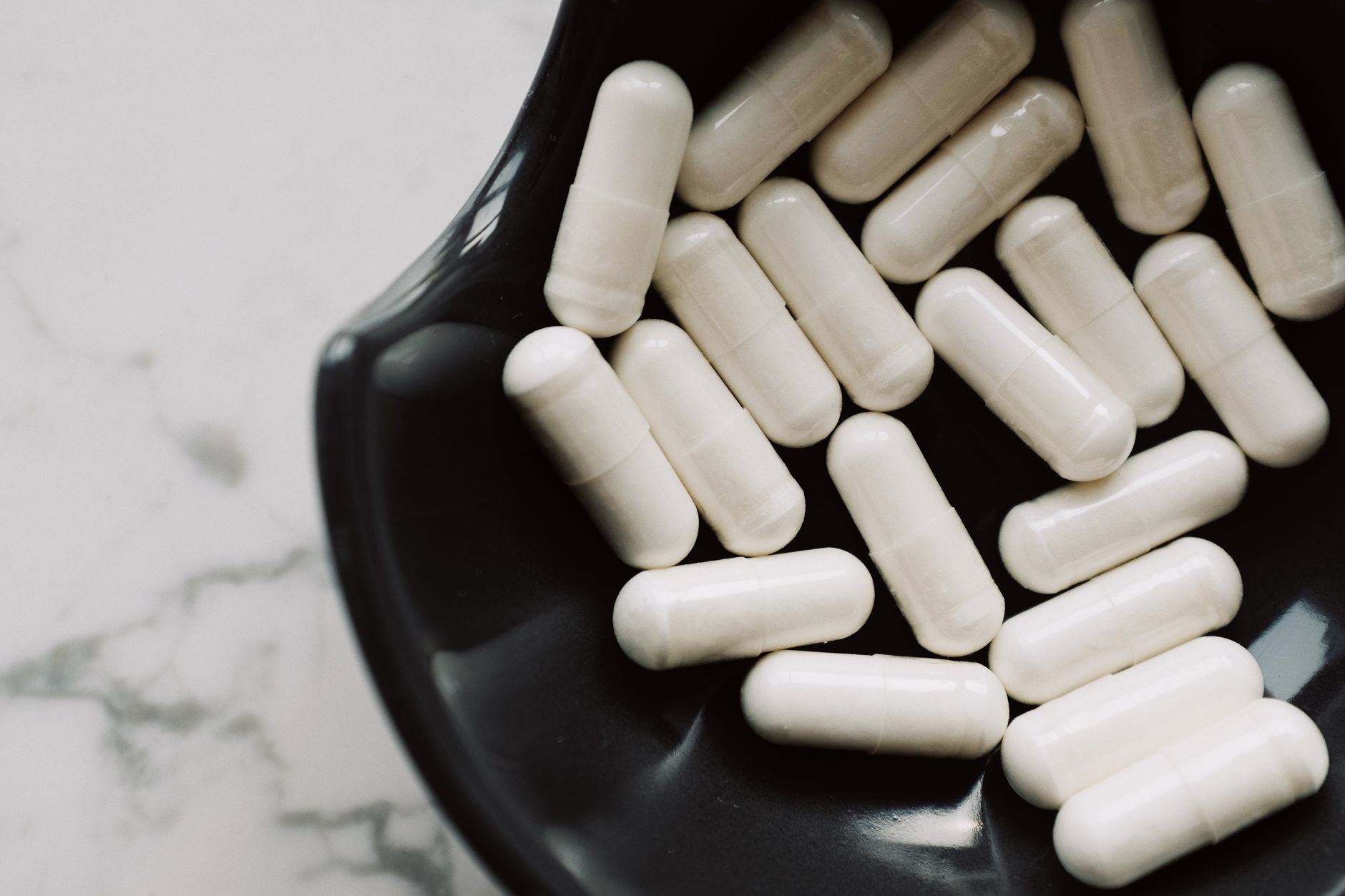
This higher dose is typically split into two or three administrations throughout the day, often on an empty stomach to maximise absorption. For example, 3,000 FU in the morning and 3,000 FU before bed. Consistency is vital; this isn't a compound you take sporadically. Sustained use over several weeks or months is usually necessary to see significant improvements in microclot burden. Always opt for enteric-coated capsules to ensure the enzyme survives stomach acid and reaches the intestines where it can be properly absorbed. It's important to remember that individual responses can vary, and careful monitoring of symptoms is always advised. Exploring natural approaches to long COVID vision floaters often involves similar dosing strategies for clot breakdown.
Enhancing Efficacy: The Synergistic Nattokinase Protocol
While nattokinase is powerful on its own, its effectiveness can be significantly amplified when combined with other synergistic compounds. Bromelain, an enzyme from pineapple, is a popular choice due to its anti-inflammatory properties and its ability to enhance the fibrinolytic action of nattokinase. Often, a ratio of 1:1 or 2:1 nattokinase to bromelain (in FU and GDU/MCU respectively) is used. Quercetin is another excellent addition, as it supports vascular health and reduces inflammation, further aiding microcirculation.
The complete protocol lives in Matt's book, The Waterman Protocols, which walks through the exact dosages and timing for a comprehensive approach to breaking down microclots and recovering from long COVID. Beyond these, integrating general circulatory support can be beneficial. Compounds like diosmin and hesperidin can improve venous tone and reduce capillary permeability, further assisting in microcirculation recovery. The goal is a multi-pronged attack on the root causes of long COVID symptoms. This holistic approach targets not just the clots, but the underlying inflammation and vascular dysfunction as well.
What Changes When You Use the Right Nattokinase Dosage for Long COVID Microclots?

When you consistently use the correct nattokinase dosage for long COVID microclots, you can expect a gradual but profound shift in your symptoms. The primary aim is to restore healthy microcirculation, which then allows for improved oxygen and nutrient delivery to every cell in your body. Patients often report a reduction in the debilitating fatigue that defines long COVID, as their cells begin to produce energy more efficiently. Brain fog can lift, leading to greater mental clarity, focus, and improved memory.
Physical symptoms, such as shortness of breath, chest pain, and muscle aches, may also begin to diminish as blood flow improves throughout the body. Some individuals notice improvements in peripheral neuropathy or cold extremities. It's important to understand that recovery is not always linear, but persistent application of the protocol typically yields noticeable improvements over time. Documenting your symptoms and progress can be incredibly motivating. Consider reading more about how nattokinase can help with shortness of breath for additional insights.
Who This Nattokinase Dosage for Long COVID Microclots Protocol Is For
This specific nattokinase dosage for long COVID microclots protocol is primarily for individuals experiencing persistent symptoms months after an acute COVID infection. It's particularly relevant for those whose symptoms align with microcirculatory dysfunction, such as chronic fatigue, brain fog, post-exertional malaise, persistent shortness of breath, and unexplained pains. If you've tried various approaches without success and suspect microclots might be an underlying issue, this protocol offers a targeted solution.
It's important to note that while nattokinase is generally safe, it does have blood-thinning properties. Therefore, it's crucial to consult with a healthcare professional before starting, especially if you are on any anticoagulant medications, have a bleeding disorder, or are preparing for surgery. This protocol is designed for adults seeking to proactively address the physiological mechanisms of long COVID, particularly those related to persistent fibrin formation. It offers a powerful natural approach to restoring physiological balance.
How to Start Your Nattokinase Protocol Today
- Consult Your Doctor: Before beginning any new supplement regimen, especially one involving a potent enzyme like nattokinase, discuss it with your healthcare provider. This is particularly important if you have pre-existing health conditions or are on other medications.
- Source High-Quality Nattokinase: Look for reputable brands that provide enteric-coated nattokinase with a clearly stated Fibrinolytic Unit (FU) count. Quality control matters for efficacy and safety.
- Start Gradually: While the therapeutic dose for microclots is often higher, you might choose to start with a lower dose (e.g., 2,000 FU once daily) for a few days to assess tolerance before gradually increasing to the recommended 6,000 FU per day.
- Incorporate Synergistic Compounds: Consider adding bromelain and quercetin to your daily regimen as outlined in The Waterman Protocols. These work together to enhance the overall anti-inflammatory and clot-busting effects.
- Maintain Consistency: Take your nattokinase and supporting supplements consistently, ideally on an empty stomach (at least 30 minutes before food or 2 hours after). This ensures optimal absorption and sustained enzyme activity.
- Monitor and Adjust: Keep a journal of your symptoms. Note any improvements or changes. This will help you and your practitioner assess the effectiveness of the protocol and make any necessary adjustments to your nattokinase dosage for long COVID microclots.
Starting this journey can feel daunting, but with the right information and a structured approach, significant healing is possible. The Waterman Protocols offers comprehensive guidance on this and many other natural health strategies. It's about empowering your body's innate healing capabilities, one step at a time.
---
FAQ
Q: How quickly can I expect to see results from nattokinase for microclots?
A: Results vary, but many individuals report subtle improvements in fatigue and brain fog within 4-6 weeks. Significant changes in microclot burden and overall symptom relief often require 2-3 months or more of consistent, therapeutic dosing, as the clots can be stubborn.
Q: Can nattokinase be taken with other blood thinners or anticoagulants?
A: Nattokinase has blood-thinning properties. It is absolutely crucial to consult your doctor before combining it with prescription blood thinners like warfarin or novel oral anticoagulants (NOACs) due to the increased risk of bleeding. Medical supervision is essential.
Q: What is the best time of day to take nattokinase?
A: For optimal absorption and enzymatic activity, nattokinase is generally best taken on an empty stomach. Many people split their daily dose, taking half in the morning at least 30 minutes before breakfast and the other half in the evening at least 2 hours after dinner or before bed.
Q: Are there any side effects of taking a higher nattokinase dosage for long COVID?
A: Higher doses are generally well-tolerated, but some individuals might experience minor side effects like mild bruising, upset stomach, or headaches. The most significant concern is an increased risk of bleeding, especially if combined with other blood-thinning agents. Always monitor for adverse reactions.
Q: How does nattokinase compare to other natural clot-busting enzymes like serrapeptase?
A: Both nattokinase and serrapeptase are proteolytic enzymes with fibrinolytic activity. Nattokinase is often preferred for microclots due to its direct fibrin-degrading action and ability to enhance plasmin. Serrapeptase is also effective but has a slightly different mechanism and is often used for inflammation and scar tissue. They can sometimes be used together under guidance.
Frequently asked questions
How quickly can I expect to see results from nattokinase for microclots?+
Results vary, but many individuals report subtle improvements in fatigue and brain fog within 4-6 weeks. Significant changes in microclot burden and overall symptom relief often require 2-3 months or more of consistent, therapeutic dosing, as the clots can be stubborn.
Can nattokinase be taken with other blood thinners or anticoagulants?+
Nattokinase has blood-thinning properties. It is absolutely crucial to consult your doctor before combining it with prescription blood thinners like warfarin or novel oral anticoagulants (NOACs) due to the increased risk of bleeding. Medical supervision is essential.
What is the best time of day to take nattokinase?+
For optimal absorption and enzymatic activity, nattokinase is generally best taken on an empty stomach. Many people split their daily dose, taking half in the morning at least 30 minutes before breakfast and the other half in the evening at least 2 hours after dinner or before bed.
Are there any side effects of taking a higher nattokinase dosage for long COVID?+
Higher doses are generally well-tolerated, but some individuals might experience minor side effects like mild bruising, upset stomach, or headaches. The most significant concern is an increased risk of bleeding, especially if combined with other blood-thinning agents. Always monitor for adverse reactions.
How does nattokinase compare to other natural clot-busting enzymes like serrapeptase?+
Both nattokinase and serrapeptase are proteolytic enzymes with fibrinolytic activity. Nattokinase is often preferred for microclots due to its direct fibrin-degrading action and ability to enhance plasmin. Serrapeptase is also effective but has a slightly different mechanism and is often used for inflammation and scar tissue. They can sometimes be used together under guidance.
Get the full protocol in the book
Everything in this article — plus the full step-by-step protocols, exact dosages and the Iced Shake Method — is inside The Waterman Protocols.
Get the Book on Amazon →