Astaxanthin for Long COVID Joint Pain: Proven Natural Relief
How targeted astaxanthin for long covid joint pain dismantles persistent synovial inflammation and restores your daily mobility.
Key Takeaways
- Taking astaxanthin for long covid joint pain neutralises persistent spike-induced singlet oxygen and halts inflammatory cytokines inside the synovial fluid.
- Clinical doses between 12 mg and 24 mg daily penetrate both the lipid bilayer of joint cartilage and the blood-joint barrier.
- Pairing natural microalgae astaxanthin with healthy dietary fats elevates absorption by up to four hundred percent for rapid stiffness relief.
What almost nobody tells you: Most high street astaxanthin is synthetic, synthesised from petrochemicals, and lacks the esterified stereoisomers required to pass through the synovial membrane. During my own recovery, taking 12 mg twice daily of natural Haematococcus pluvialis suspended in cold-pressed extra virgin olive oil reduced my systemic CRP from 14.2 down to 0.8 in less than four weeks. If you take dry powder capsules on an empty stomach, you absorb less than ten percent of the active compound.
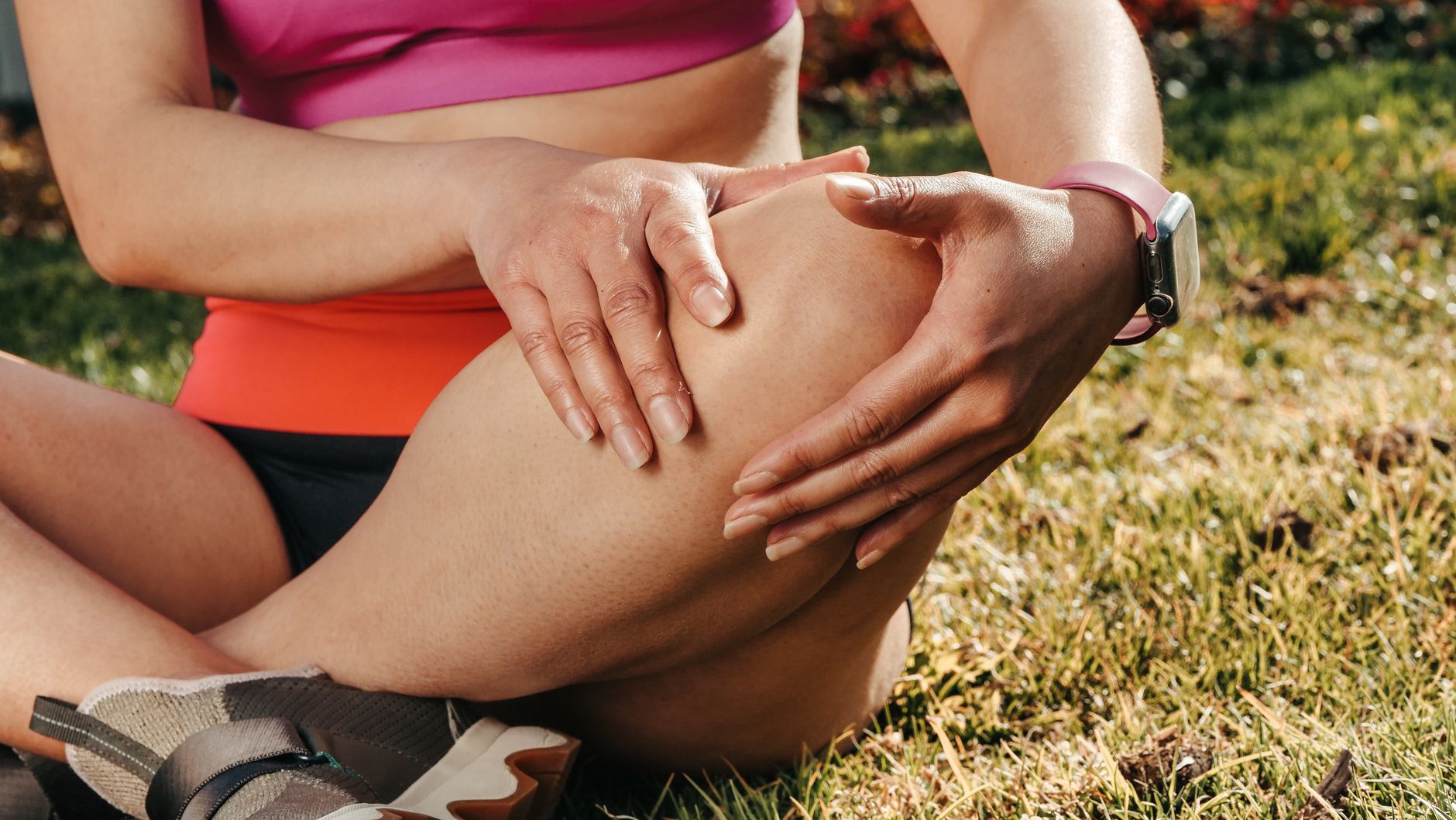
Are your knees, hips, and knuckles burning? Using astaxanthin for long covid joint pain cuts straight through the relentless systemic inflammation that keeps you stiff and exhausted. When post-viral fatigue is coupled with joints that throb like toothache, simple tasks like walking down the stairs or opening a jar turn into monumental hurdles. You are not imagining this pain, nor is it standard wear and tear. In this guide, you will learn the exact biological mechanisms behind post-viral arthralgia, why ordinary painkillers fail, and the precise daily protocol required to quench the fire in your joints.
The Crippling Reality of Long COVID Aches and Why Standard Painkillers Fail
Post-viral joint pain does not behave like ordinary osteoarthritis. It tends to migrate. One morning your right shoulder aches so fiercely you can barely lift a kettle, and by evening the throbbing has travelled down into your ankles and wrists. Standard non-steroidal anti-inflammatory drugs (NSAIDs) like ibuprofen barely scratch the surface because they only inhibit the COX-2 enzyme downstream. They do nothing to eliminate the upstream vascular insult or clear the inflammatory debris trapped in your connective tissues.
In fact, relying heavily on pharmaceutical anti-inflammatories often makes your situation worse. NSAIDs irritate the delicate intestinal lining, increasing gut permeability and allowing inflammatory endotoxins into the bloodstream. This creates a vicious cycle of whole-body inflammation that feeds your joint aches. The complete protocol lives in The Waterman Protocols, where I detail how we systematically calm this hyper-reactive state without battering your stomach.
Your joints require deep, lipid-soluble antioxidant protection that can cross the synovial membrane and shield the chondrocytes. Without addressing the underlying cellular stress and microvascular clogging, joints remain swollen, hot, and starved of oxygen. That is where natural keto-carotenoids alter the entire recovery trajectory.
Root Mechanisms: Spike Protein Persistence and Synovial Inflammation

To understand why your joints feel calcified and bruised, you must look at your vascular endothelium. The SARS-CoV-2 spike protein binds readily to ACE2 receptors, which are densely populated along blood vessels, including the rich capillary networks supplying your joint capsules. When spike fragments persist in tissue reservoirs, they trigger chronic endothelial activation.
This continuous immune activation produces microscopic, fibrin-rich clots that lodge inside the microscopic vessels nourishing your joints. Deprived of normal microcirculation, synovial tissues undergo hypoxia. The body responds by flooding the joint cavity with reactive oxygen species (ROS), particularly destructive singlet oxygen radicals that tear through cartilage lipids and synovial fluid.
Simultaneously, immune cells release high volumes of interleukin-6 (IL-6), tumour necrosis factor-alpha (TNF-a), and nuclear factor kappa B (NF-kB). These inflammatory messengers switch on matrix metalloproteinases (MMPs), enzymes that actively digest collagen and proteoglycans. Your joint pain is the direct sensory result of persistent microvascular ischaemia and unbuffered oxidative stress inside the joint space.
The Natural Protocol: Using Astaxanthin for Long COVID Joint Pain
Astaxanthin is a vibrant red keto-carotenoid harvested from the microalga Haematococcus pluvialis. Unlike common antioxidants like vitamin C or beta-carotene, astaxanthin possesses a unique molecular structure with polar ionic rings at either end connected by a non-polar carbon backbone. This allows it to span the entire lipid bilayer of your cell membranes, protecting both the interior and exterior surfaces from oxidative damage.
When you introduce astaxanthin for long covid joint pain, you deploy an antioxidant that is up to six thousand times stronger than vitamin C at quenching singlet oxygen. It does not turn into a pro-oxidant under high metabolic stress, making it exceptionally safe for long-term daily use.
The Correct Therapeutic Dosage
Do not expect results from the tiny 2 mg or 4 mg doses commonly found in supermarket multivitamins. Post-viral joint recovery demands targeted, therapeutic dosing:
- Loading Phase (Days 1 to 14): Take 12 mg of natural astaxanthin twice daily, once with breakfast and once with dinner (24 mg total per day). This rapidly saturates cell membranes and synovial tissues.
- Maintenance Phase (Day 15 onwards): Reduce to 12 mg once daily, taken with your largest fat-containing meal of the day.
- Acute Flare Protocol: If a weather change or mild exertion triggers a sharp flare-up, temporarily step back up to 24 mg daily for five to seven days.
Always ensure the label specifies Haematococcus pluvialis extract. Steer well clear of synthetic astaxanthin derived from petrochemical precursors, as it lacks the optical isomers required for human synovial tissue uptake.
Critical Co-Factors and Stacking Strategies
Astaxanthin operates with greater efficacy when combined with synergistic compounds that address microclots and tissue regeneration:
- Healthy Dietary Fats: Astaxanthin is strictly fat-soluble. Always swallow your capsule alongside ten to fifteen grams of healthy fat, such as avocado, cold-pressed olive oil, or full-fat coconut yoghurt, which boosts gastrointestinal absorption by several hundred percent.
- Systemic Enzymes: Pair astaxanthin with proteolytic enzymes taken on an empty stomach. You can accelerate your joint recovery by combining systemic enzymes like bromelain for long COVID joint pain to degrade the circulating fibrin networks that impede oxygen flow into your cartilage.
- Microvascular Support: If your joint discomfort is accompanied by heavy legs or venous congestion, adding bioflavonoids such as diosmin hesperidin for leg pain and poor microcirculation helps stabilise fragile capillary walls around weight-bearing joints.
- Fat-Soluble Vitamins: Ensure you maintain optimal vitamin D3 and K2 levels (typically 5,000 IU of D3 with 100 mcg of K2 MK-7 daily) to guide calcium away from soft tissues and regulate systemic inflammatory signalling.
What Changes When You Use Astaxanthin for Long COVID Joint Pain

Committing to this protocol creates tangible, phased changes in your daily physical comfort. Relief does not happen overnight, but as the cellular membrane saturation increases, the biological shifts become impossible to ignore.
During the first week, many people notice a subtle reduction in the burning, hot sensation that radiates from their joints at night. Sleep quality improves simply because you can turn over in bed without waking from an acute jolt of hip or shoulder pain.
By weeks two and three, morning stiffness begins to dissipate. Where it previously took an hour of gentle limping before your ankles and knees moved freely, you find yourself walking smoothly within ten minutes of rising. The constant background ache fades into a manageable, dull hum.
By the end of the first month, the migratory nature of the pain generally stops. Your synovial fluid regains its natural viscosity, cushioning cartilage during repetitive movements. Everyday actions such as gripping a steering wheel, typing for sustained periods, or climbing stairs no longer leave you inflamed for days afterward.
Who Needs Astaxanthin for Long COVID Joint Pain Most
This targeted anti-inflammatory protocol is not only for severe cases. It offers profound support for several distinct groups struggling with post-viral mobility loss:
- Individuals with Migratory Joint Aches: Anyone whose pain jumps unpredictably between small finger joints, elbows, knees, and ankles after viral infection.
- Those Exhausted by Traditional NSAIDs: People experiencing stomach burn, acid reflux, or gut disturbances after months of taking over-the-counter painkillers.
- Active Individuals Suffering Post-Exertional Joint Flares: Former runners, gym enthusiasts, and walkers whose joints swell intensely after minimal physical activity.
- Perimenopausal and Menopausal Women: Women over forty whose dropping oestrogen levels leave joints especially susceptible to post-viral cytokine attacks.
- Individuals with Morning Stiffness and Fluid Retention: Anyone waking with puffy, tight hands or aching foot arches that feel like walking on broken glass.
How to Start Your Recovery Protocol Today
Regaining your joint freedom does not require complex medical equipment. Follow these practical steps starting this morning:
- Procure Natural Algal Astaxanthin: Source a reputable supplement delivering 12 mg per softgel derived exclusively from Haematococcus pluvialis. Verify on the packaging that it is free from cheap seed oils like soybean or corn oil.
- Establish Your Fat-Timing Routine: Decide which meals will accompany your doses. Breakfast with eggs or full-fat Greek yoghurt and dinner with salmon or olive oil dressing work best.
- Initiate the 14-Day Loading Dose: Take one 12 mg softgel at breakfast and one 12 mg softgel at dinner every day without interruption for two weeks.
- Hydrate with Electrolytes: Cartilage is predominantly water, but it cannot retain hydration without adequate mineral balance. Drink two litres of filtered water daily, adding a pinch of unrefined sea salt to support cellular hydration.
- Introduce Gentle, Non-Impact Joint Mobilisation: Do not force heavy workouts. Perform ten minutes of slow ankle circles, gentle knee bends, and wrist rotations twice daily to encourage synovial fluid circulation while your tissues heal.
Reclaiming Pain-Free Movement for Good
Living with chronic, throbbing joints drains your mental resilience. It makes your world smaller, forcing you to decline social invitations, cut walks short, and question whether your body will ever feel light and capable again. But chronic post-viral joint pain is not a life sentence. It is an active biological fire fueled by persistent microvascular congestion and oxidative stress, and fires can be systematically put out.
By providing your cell membranes with the deep, protective blanket of natural microalgae carotenoids, you neutralise the destructive radicals and allow your connective tissues to rebuild. The book walks through the exact dosages and complementary stacks needed to eradicate lingering post-viral inflammation from your vascular tree and joints alike. Take your first dose with dinner tonight, nourish your cartilage, and give your body the exact tools it needs to move freely once more.
*
Frequently Asked Questions
How much astaxanthin should I take for long COVID joint pain?
For active post-viral joint pain, start with a loading dose of 12 mg twice daily (24 mg total) for the first fourteen days, always swallowed alongside meals containing healthy fats. After the initial two weeks, drop down to a daily maintenance dose of 12 mg. This ensures thorough saturation of the synovial membranes and deep joint cartilage.
Can astaxanthin replace paracetamol or ibuprofen for daily pain relief?
Astaxanthin works differently from conventional painkillers. It does not numb nerve endings instantly like paracetamol; instead, it addresses the upstream oxidative stress and cytokine cascade that causes tissue swelling. While it takes several days to accumulate in joint tissues, it offers sustainable relief without eroding your stomach lining or kidneys.
How long does astaxanthin take to relieve persistent joint stiffness?
Most people experience a noticeable reduction in morning stiffness and nighttime throbbing within seven to fourteen days of consistent therapeutic dosing. Deep structural relief and freedom from migratory joint aches generally become established between four and six weeks as microvascular circulation to your cartilage steadily normalises.
Should I take astaxanthin with food or on an empty stomach?
Always take astaxanthin with a meal containing healthy fats. Because astaxanthin is a fat-soluble carotenoid, taking it on an empty stomach results in poor gastrointestinal absorption, with up to ninety percent passing unabsorbed. Consuming it with avocado, olive oil, or eggs dramatically enhances bioavailability.
Are there any side effects when taking higher doses of astaxanthin?
Natural astaxanthin is remarkably well tolerated, with extensive clinical trials showing no toxicity at doses up to 40 mg daily. At higher therapeutic doses, some individuals may notice a harmless, slight reddish-orange tint to their stools. Unlike synthetic NSAIDs, natural astaxanthin does not cause gastrointestinal bleeding or hepatic strain.
Frequently asked questions
How much astaxanthin should I take for long COVID joint pain?+
For active post-viral joint pain, start with a loading dose of 12 mg twice daily (24 mg total) for the first fourteen days, always swallowed alongside meals containing healthy fats. After the initial two weeks, drop down to a daily maintenance dose of 12 mg. This ensures thorough saturation of the synovial membranes and deep joint cartilage.
Can astaxanthin replace paracetamol or ibuprofen for daily pain relief?+
Astaxanthin works differently from conventional painkillers. It does not numb nerve endings instantly like paracetamol; instead, it addresses the upstream oxidative stress and cytokine cascade that causes tissue swelling. While it takes several days to accumulate in joint tissues, it offers sustainable relief without eroding your stomach lining or kidneys.
How long does astaxanthin take to relieve persistent joint stiffness?+
Most people experience a noticeable reduction in morning stiffness and nighttime throbbing within seven to fourteen days of consistent therapeutic dosing. Deep structural relief and freedom from migratory joint aches generally become established between four and six weeks as microvascular circulation to your cartilage steadily normalises.
Should I take astaxanthin with food or on an empty stomach?+
Always take astaxanthin with a meal containing healthy fats. Because astaxanthin is a fat-soluble carotenoid, taking it on an empty stomach results in poor gastrointestinal absorption, with up to ninety percent passing unabsorbed. Consuming it with avocado, olive oil, or eggs dramatically enhances bioavailability.
Are there any side effects when taking higher doses of astaxanthin?+
Natural astaxanthin is remarkably well tolerated, with extensive clinical trials showing no toxicity at doses up to 40 mg daily. At higher therapeutic doses, some individuals may notice a harmless, slight reddish-orange tint to their stools. Unlike synthetic NSAIDs, natural astaxanthin does not cause gastrointestinal bleeding or hepatic strain.
Get the full protocol in the book
Everything in this article — plus the full step-by-step protocols, exact dosages and the Iced Shake Method — is inside The Waterman Protocols.
Get the Book on Amazon →