Nattokinase for Long COVID Neuropathy: Proven Recovery Steps
Discover how targeted fibrinolytic therapy clears microvascular blockages to relieve post-viral nerve burning, tingling, and numbness.

Key Takeaways
- Using nattokinase for long covid neuropathy targets the fibrin amyloid microclots that occlude tiny capillaries feeding peripheral nerves.
- Systemic enzymes must be taken strictly on an empty stomach and measured in Fibrinolytic Units rather than standard milligrams.
- Combining nattokinase with synergistic bioflavonoids and bromelain accelerates microvascular reperfusion to reverse post-viral numbness and burning.
The bit the guidelines miss: Most neurologists treat post-viral neuropathy as irreversible structural nerve damage, prescribing gabapentin or pregabalin to numb pain signals while completely ignoring why peripheral nerves are screaming. Groundbreaking research led by Professor Resia Pretorius demonstrates that spike protein induces persistent, amyloid-like fibrin microclots resistant to natural enzymatic breakdown. These dense microclots physically choke the vasa nervorum, which are the microscopic capillary networks responsible for supplying oxygen to your peripheral nerves. If you swallow nattokinase alongside meals, your digestive system treats it as an expensive protein digestive aid; you must consume it strictly on an empty stomach, at least forty-five minutes before eating or two hours afterwards, dosed in active Fibrinolytic Units to force the enzyme straight into systemic circulation where it degrades those capillary micro-thrombi.
Can nattokinase for long covid neuropathy finally extinguish the burning, buzzing, and numbness in your hands and feet? If you have spent months visiting specialists only to be told your standard blood panels are pristine and your nerve conduction studies are inconclusive, you are not imagining your suffering. Post-viral peripheral nerve pain is not an emotional problem or an unavoidable lifelong curse. It is an active microvascular crisis in which microclots starve sensitive nerve endings of glucose and oxygen. In this comprehensive guide, you will uncover the precise physiological mechanism behind post-viral ischemic nerve damage, the clinical power of natural fibrinolytics, and how to execute a safe enzyme protocol that restores microcirculation.
Why Doctors Miss the Root Cause of Post-Viral Nerve Pain
Thousands of people recovering from viral infection or post-vaccine injury find themselves trapped in a distressing medical loop. You develop stabbing electric sensations in your toes, a deep burning ache across your shins, or persistent numbness in your fingertips. You consult your GP, who refers you to a neurology clinic. After enduring nerve conduction velocity tests, electromyography, and routine blood panels checking vitamin B12 and thyroid function, the results arrive stamped normal. You leave the clinic with a prescription for nerve-blocking drugs and little hope of genuine recovery.
The flaw in this standard diagnostic approach lies in what conventional tests actually measure. Routine electromyography assesses large myelinated nerve fibres, whereas post-viral nerve injury overwhelmingly strikes small unmyelinated C-fibres and thinly myelinated A-delta fibres. These microscopic fibres govern autonomic regulation, temperature sensing, and pain perception throughout your extremities. When they malfunction, the condition is termed small fibre neuropathy.
More importantly, conventional medicine routinely overlooks the vascular foundation of nerve health. Nerves are living tissue that require continuous perfusion. Your body supplies them through the vasa nervorum, an intricate microscopic web of nutrient vessels. When blood flow through these microscopic channels slows or halts, the nerve fibres rapidly undergo ischemic distress, firing erratic pain signals before going numb. Standard blood tests cannot detect this microvascular ischemia because the problem occurs at the capillary level rather than within major arteries.
To reverse this condition permanently, you cannot simply mask the pain with pharmaceuticals that alter central nervous system transmission. You must restore microvascular blood flow, dissolve obstructive micro-thrombi, and extinguish the local inflammatory fire. The complete protocol lives in The Waterman Protocols, where the exact sequence of natural vascular repair is outlined step by step.
Microclots and Vasa Nervorum: How Spike Proteins Starve Nerves
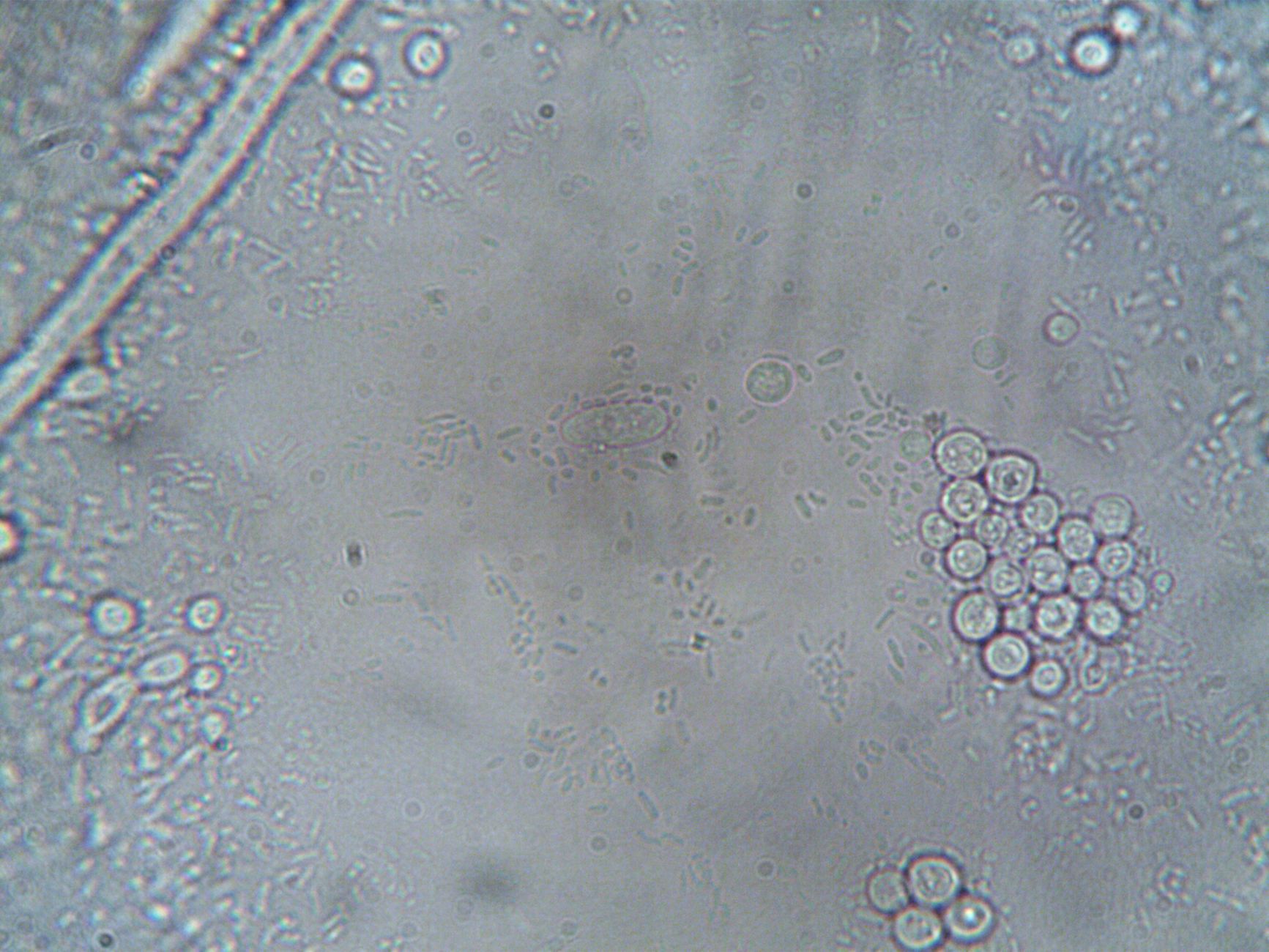
To understand why natural fibrinolytics are so essential, one must examine what happens inside your bloodstream after exposure to SARS-CoV-2 or its spike protein. Under ordinary physiological conditions, blood clotting is a tightly controlled, reversible cascade. Platelets activate, fibrinogen converts to soluble fibrin strands, a clot forms to seal an injury, and your innate enzyme plasmin swiftly degrades the clot once the tissue repairs.
Spike protein completely disrupts this natural equilibrium. Investigations led by Professor Resia Pretorius in South Africa revealed that when spike protein interacts with fibrinogen, it triggers an abnormal structural reconfiguration. Instead of forming healthy, easily degradable fibrin meshes, the blood proteins misfold into anomalous, amyloid-rich microclots. These structures are dense, anomalous, and exceptionally resistant to natural plasmin degradation.
These circulating amyloid microclots circulate throughout your cardiovascular system, eventually lodging in the narrowest capillary beds of the human body. The vasa nervorum are among the first micro-vessels to suffer occlusion. When microclots choke these minute pathways, three destructive events occur simultaneously:
- Severe Local Hypoxia: Peripheral nerve axons are deprived of continuous oxygen delivery, causing cellular energy depletion and failure of the sodium-potassium pump.
- Lactic Acid and Metabolite Accumulation: Ischemic tissues accumulate toxic metabolic byproducts that directly irritate nociceptive nerve endings, triggering intense burning pain.
- Endothelial Activation: Entrapped microclots provoke ongoing vascular inflammation, causing capillary walls to leak, swell, and further compress adjacent nerve bundles.
As long as these amyloid microclots remain wedged within your microvasculature, the peripheral nerves cannot regenerate. They remain locked in an ischemic panic state. This is why conventional anti-inflammatory drugs like ibuprofen or systemic corticosteroids produce minimal lasting relief. They do not dissolve the physical protein plugs starving the nerves. Restoring nerve function demands a potent, non-toxic, systemic fibrinolytic agent that can enter the bloodstream and break down anomalous fibrin.
The Natural Protocol: Nattokinase for Long COVID Neuropathy Dosing
Derived from natto, a traditional Japanese fermented soybean dish, nattokinase is an alkaline protease enzyme produced by the bacterium Bacillus subtilis var. natto. Unlike pharmaceutical anticoagulants that merely thin the blood or prevent future platelet aggregation, nattokinase possesses direct and indirect fibrinolytic properties. It directly cleaves cross-linked fibrin and simultaneously cleaves plasminogen activator inhibitor 1, allowing your body to unleash its own dormant clot-dissolving systems.
Implementing an effective protocol of nattokinase for long covid neuropathy requires strict attention to dosing units, timing, and companion enzymes. You cannot treat nattokinase like a standard multivitamin.
Understanding Fibrinolytic Units (FU) Versus Milligrams
Always examine the supplement facts panel on your enzyme bottle. High-quality nattokinase is standardised in Fibrinolytic Units (FU), which quantify the precise enzymatic activity of the batch. Milligram measurements are notoriously misleading because a cheap 100mg capsule might contain low-potency enzyme filler yielding barely 500 FU, whereas an authentic concentrated extract delivers 2,000 FU per 100mg.
- Standard Starting Dose: 2,000 FU taken once daily first thing in the morning.
- Therapeutic Neuropathy Dose: 2,000 FU taken twice daily, twelve hours apart, totaling 4,000 FU per day.
- Advanced Microclot Protocol: Up to 6,000 FU daily, divided into three separate doses, reserved for severe small fibre neuropathy under experienced guidance.
The Empty Stomach Rule
This is the single most critical rule of systemic enzyme therapy. If you consume nattokinase with meals, or even within thirty minutes of drinking a protein smoothie, the enzyme binds to dietary proteins in your stomach. It will function admirably as a digestive enzyme, breaking down food proteins in your gut lumen, but precisely zero active enzyme will enter your bloodstream.
To clear microclots from your peripheral capillaries, nattokinase must pass intact through your stomach acid and absorb into your systemic circulation via the small intestine. Take your dose at least forty-five minutes before eating your morning meal, or at least two full hours after your evening meal. Consuming it with a large glass of warm water accelerates gastric emptying, ensuring the active enzyme reaches your intestinal villi undamaged.
Synergistic Enzyme and Flavonoid Pairing
While nattokinase is remarkably potent on its own, clearing deeply embedded amyloid microclots often requires a multi-pronged approach. Microvascular clots are frequently cross-linked with von Willebrand factor, platelet debris, and trapped inflammatory proteins. Pairing nattokinase with complementary compounds dramatically enhances clinical results:
- Bromelain: This pineapple-derived proteolytic enzyme digests secondary inflammatory proteins, diminishes capillary permeability, and breaks down the protective glycoprotein shield surrounding spike protein remnants. Combining nattokinase with targeted bromelain dosing provides dual-action fibrinolytic and anti-inflammatory activity.
- Serrapeptase: Sourced originally from the silkworm intestine, serrapeptase excels at breaking down non-living cellular debris, cellular scar tissue, and arterial plaque, working hand-in-hand with nattokinase.
- Diosmin and Hesperidin: These citrus bioflavonoids strengthen weakened capillary walls, improve microvascular tone, and prevent venous pooling in the lower legs, ensuring freshly oxygenated blood circulates freely to distal nerve endings.
For optimal night-time recovery and vascular tissue rebuilding, many individuals integrate their enzyme doses alongside structured night-time enzyme and binder protocols that support deep cellular rest while the body clears cellular debris.
What Changes When You Use Nattokinase for Long COVID Neuropathy

Healing starved peripheral nerves is not an overnight event. Nerves regenerate at an average rate of approximately one millimetre per day, and microvascular clearing must precede neural repair. Knowing what to expect across each phase of the recovery timeline prevents premature frustration and keeps you consistent with your protocol.
Weeks 1 to 2: The Reperfusion Phase
During the initial fortnight of disciplined enzyme therapy, active nattokinase enters the circulation and begins degrading micro-thrombi within the vasa nervorum. As microscopic blood flow slowly returns to starved capillary beds, many people experience what clinicians call reperfusion sensations. Your burning or numb extremities may feel temporarily warmer, accompanied by transient tingling, buzzing, or pins and needles. This is often an encouraging biological indicator that previously dormant nerve endings are receiving fresh oxygen.
Weeks 3 to 6: Attenuation of Burning Pain
As systemic fibrinolytic action clears deeper capillary beds, the persistent, agonizing nocturnal burning typically begins to subside. The baseline intensity of small fibre irritation diminishes. Patients frequently report that bedsheets no longer feel like sandpaper against their feet, and the sensation of walking on sharp glass or hot pebbles softens into a manageable dull ache. Autonomic microvascular control in the feet improves, reducing unsightly mottled or purple skin discoloration.
Months 2 to 4: Neural Remodeling and Sensory Restoration
Once capillary perfusion is stably restored, small unmyelinated nerve fibres begin the delicate work of structural repair and axonal regrowth. Patchy numbness across the soles, toes, or hands gradually recedes from proximal areas toward the distal tips. Temperature discrimination returns, allowing you to sense warm and cold water accurately again. Vibratory sense improves, and the spontaneous, shooting electric zaps that once disrupted your sleep occur far less frequently.
Who Benefits Most from Nattokinase for Long COVID Neuropathy
Post-viral nerve complications do not present identically in every person. However, specific subgroups of long-haul patients show particularly swift and profound improvements when initiating systemic fibrinolytic support:
- Individuals with Diagnosed or Suspected Small Fibre Neuropathy: Those presenting with intense burning, allodynia (where light touch causes pain), sensitivity to temperature fluctuations, and patchy skin numbness without major motor weakness.
- Post-Viral POTS and Dysautonomia Patients: Dysautonomia frequently stems from small fibre neuropathy affecting the autonomic nerves that constrict blood vessels in the legs. By clearing microclots in these neural pathways, vascular tone stabilises, reducing orthostatic heart rate spikes.
- Sufferers of Extremity Coldness and Discoloration: People whose feet turn icy, dark red, or bluish when sitting or standing, pointing directly to severe microvascular congestion and capillary pooling.
- Patients with Elevated D-Dimer or Fibrinogen: Individuals whose blood work indicates active or recent micro-thrombotic activity, suggesting widespread fibrin formation across the vascular tree.
If your neurological symptoms emerged within days, weeks, or months following a viral infection, spike protein exposure, or booster administration, microclots choking your vasa nervorum are the most probable culprit.
Safety, Precautions, and Essential Contraindications

Because nattokinase exerts potent fibrinolytic and mild antiplatelet actions, safety must remain your primary priority. While natto has been safely consumed as a staple food in Japan for centuries, concentrated supplemental extracts require basic clinical common sense.
- Prescription Blood Thinners: If you are currently taking prescription anticoagulants or antiplatelet agents such as warfarin, apixaban, rivaroxaban, clopidogrel, or therapeutic aspirin, you must not take nattokinase without consulting an integrative haematologist. Combining systemic enzymes with pharmaceuticals can excessively prolong bleeding time.
- Bleeding Disorders: Individuals with haemophilia, severe active peptic ulcers, recent haemorrhagic stroke, or any active bleeding diathesis must avoid fibrinolytic enzymes entirely.
- Scheduled Surgery: Cease all nattokinase, bromelain, and serrapeptase supplementation at least two weeks prior to any planned surgical or dental operation to prevent intraoperative bleeding issues.
- Blood Pressure Monitoring: Nattokinase naturally degrades angiotensin II and improves arterial elasticity, which frequently induces a mild, beneficial drop in systolic and diastolic blood pressure. If you are already taking antihypertensive medications, track your blood pressure daily to prevent unexpected hypotension.
- Herxheimer-Type Enzyme Reactions: Occasionally, as microclots dissolve and liberate trapped inflammatory cytokines or spike protein fragments, you may experience mild fatigue, a low-grade headache, or transient aches. Staying thoroughly hydrated with mineral-rich water and taking a gentle natural binder like bentonite clay or zeolite helps sweep away these circulating metabolic wastes.
How to Start Your Nerve Repair Stack Today
Taking charge of your recovery requires a structured, orderly implementation plan. Do not overwhelm your physiology by starting half a dozen compounds simultaneously. Follow this systematic six-step roadmap to introduce your nerve repair stack safely:
- Source an Authentic Fibrinolytic: Select a certified non-GMO nattokinase supplement clearly displaying activity of at least 2,000 FU per capsule, free from soy allergens and artificial excipients.
- Establish Your Baseline Schedule: Choose your dosing window. For most individuals, taking your capsule immediately upon waking with a tall glass of filtered water, forty-five minutes before breakfast, is the simplest way to guarantee compliance.
- Begin with a Single Dose for Seven Days: Start with 2,000 FU once daily for the first week to assess individual tolerance and ensure you experience no gastrointestinal distress or unusual bruising.
- Escalate to the Full Therapeutic Target: In week two, introduce a second 2,000 FU dose before bed, ensuring at least two hours have elapsed since your evening meal, bringing your daily total to 4,000 FU.
- Layer in Synergistic Microvascular Support: In week three, introduce complementary bioflavonoids such as diosmin and hesperidin with your lunch to reinforce the structural integrity of your capillary beds.
- Track Objective Sensory Markers: Keep a concise weekly journal noting burning severity, walking tolerance, temperature sensitivity, and sleep quality to track your microvascular reperfusion objectively over twelve weeks.
Rebuilding Your Peripheral Nervous System Naturally
Living with post-viral nerve pain can make you feel profoundly isolated. When test after test returns clear yet your feet feel like they are submerged in scalding oil, despair is a completely natural reaction. However, understanding the physical reality of amyloid microclots removes the terrifying mystery from your illness. Your nerves are not permanently broken; they are suffocating in silence, awaiting the restoration of microvascular blood flow.
By deploying targeted systemic enzymes like nattokinase on an empty stomach, you clear the microscopic blockages that conventional medicine fails to see. You reopen the vasa nervorum, wash your peripheral axons in oxygen and vital nutrients, and create the ideal physiological terrain for structural nerve remyelination. The book walks through the exact dosages and lifestyle adaptations needed to sustain lasting recovery, offering a grounded, reproducible blueprint for reclaiming your physical comfort.
Commit to the protocol, give your nervous system the time it requires to rebuild, and take your first definitive step toward restoring healthy, painless sensation today.
*
Frequently Asked Questions
How does nattokinase help relieve post-viral peripheral neuropathy symptoms?
Nattokinase degrades anomalous fibrin amyloid microclots that accumulate after viral infection. By breaking down these microscopic vascular obstructions within the vasa nervorum, nattokinase restores essential oxygen and nutrient perfusion to starved peripheral nerve fibres, reducing burning, numbness, and tingling.
What is the ideal daily dosage of nattokinase for nerve recovery?
The standard therapeutic dosage ranges between 2,000 and 4,000 Fibrinolytic Units (FU) daily. Most protocols recommend beginning with 2,000 FU in the morning, gradually escalating to a split dose of 2,000 FU twice daily taken strictly on an empty stomach.
Can I take nattokinase alongside my prescribed blood-thinning medications?
No, you should never combine nattokinase with prescription anticoagulants or antiplatelet drugs without strict medical supervision. Because nattokinase exhibits potent fibrinolytic activity, combining it with medications such as warfarin or apixaban significantly increases your risk of unintended bleeding and bruising.
How long does it take for nerve sensations to improve?
Microvascular reperfusion typically begins within the first two to four weeks, often presenting as temporary tingling or warmth. Meaningful reductions in chronic burning pain and deep sensory restoration generally take between eight and sixteen weeks of consistent daily enzyme supplementation.
Why must nattokinase be taken strictly on an empty stomach?
When taken with food, nattokinase acts as a digestive enzyme, breaking down proteins in your meal. To enter your bloodstream and dissolve circulating amyloid microclots, it must pass into the small intestine unimpeded, at least forty-five minutes before eating or two hours afterwards.
Frequently asked questions
How does nattokinase help relieve post-viral peripheral neuropathy symptoms?+
Nattokinase degrades anomalous fibrin amyloid microclots that accumulate after viral infection. By breaking down these microscopic vascular obstructions within the vasa nervorum, nattokinase restores essential oxygen and nutrient perfusion to starved peripheral nerve fibres, reducing burning, numbness, and tingling.
What is the ideal daily dosage of nattokinase for nerve recovery?+
The standard therapeutic dosage ranges between 2,000 and 4,000 Fibrinolytic Units (FU) daily. Most protocols recommend beginning with 2,000 FU in the morning, gradually escalating to a split dose of 2,000 FU twice daily taken strictly on an empty stomach.
Can I take nattokinase alongside my prescribed blood-thinning medications?+
No, you should never combine nattokinase with prescription anticoagulants or antiplatelet drugs without strict medical supervision. Because nattokinase exhibits potent fibrinolytic activity, combining it with medications such as warfarin or apixaban significantly increases your risk of unintended bleeding and bruising.
How long does it take for nerve sensations to improve?+
Microvascular reperfusion typically begins within the first two to four weeks, often presenting as temporary tingling or warmth. Meaningful reductions in chronic burning pain and deep sensory restoration generally take between eight and sixteen weeks of consistent daily enzyme supplementation.
Why must nattokinase be taken strictly on an empty stomach?+
When taken with food, nattokinase acts as a digestive enzyme, breaking down proteins in your meal. To enter your bloodstream and dissolve circulating amyloid microclots, it must pass into the small intestine unimpeded, at least forty-five minutes before eating or two hours afterwards.
Get the full protocol in the book
Everything in this article — plus the full step-by-step protocols, exact dosages and the Iced Shake Method — is inside The Waterman Protocols.
Get the Book on Amazon →