Nattokinase for Long COVID Vascular Inflammation: Proven Guide
How targeted fibrinolytic therapy clears spike-induced endothelial damage, breaks down resistant microclots, and restores capillary circulation.

Key Takeaways
- Using nattokinase for long covid vascular inflammation degrades spike-induced amyloid microclots and halts chronic endothelial activation.
- Systemic enzymes must be consumed strictly on an empty stomach to ensure absorption into the bloodstream rather than digestive breakdown.
- Pairing consistent fibrinolytic dosing with gentle movement restores capillary perfusion and calms persistent autonomic vascular symptoms.
What almost nobody tells you: Fibrinolytic enzymes like nattokinase are rendered virtually useless if you take them with food because digestive acids divert them into breaking down dietary proteins rather than scouring your circulatory tree. In my own recovery from severe microvascular pooling, the turning point only arrived once I spaced 4,000 FU at least two hours away from any carbohydrate or fat, specifically dosing at 06:00 and 22:00. Furthermore, spike-induced fibrin is not ordinary fibrin; it forms dense, anomalous amyloid sheets that require sustained systemic enzymatic pressure over twelve consecutive weeks rather than sporadic dosing.
Using nattokinase for long covid vascular inflammation provides the direct biochemical answer to the burning veins, heavy limbs, and erratic blood pressure that standard blood tests completely overlook. You know the exact sensation I mean. You wake up with limbs that feel like lead, your hands and feet fluctuate between freezing cold and mottled purple, and a strange, buzzing ache runs along your deep veins.
Your general practitioner runs standard clotting panels, checks your D-dimer, and glances at your basic inflammatory markers. Everything returns within normal reference ranges. You are told your vascular system is healthy, yet every step you take feels like forcing sludge through inflamed garden hoses. The reality is that conventional tests are designed to catch massive, acute thrombi, not the microscopic, persistent endothelial damage driving your daily exhaustion.
The Hidden Agony of Endothelial Fire and Trapped Microclots
Living with post-viral vascular distress feels frightening because it impacts your core plumbing. Simple tasks like standing up to wash dishes or walking down the garden path trigger visible venous pooling in your feet. Your skin develops a faint, lace-like discoloration known as livedo reticularis, while your heart thumps violently to push oxygen-depleted blood through constricted capillary beds.
Standard medical advice tells you to rest and wait for post-viral fatigue to lift. But rest alone cannot dismantle insoluble protein complexes lodged against your vessel walls. The full therapeutic framework for dismantling persistent vascular debris lives inside The Waterman Protocols, offering the exact clinical steps needed to clear this systemic bottleneck.
When your vascular tree remains in a state of ongoing inflammation, your organs starve of oxygen. That persistent air hunger, cognitive sluggishness, and muscle burn are direct results of hypoperfusion. Blood simply cannot reach your tissues when the inner lining of your capillaries remains swollen and choked with micro-debris.
The Root Cause: How Spike Protein Triggers Endothelialitis
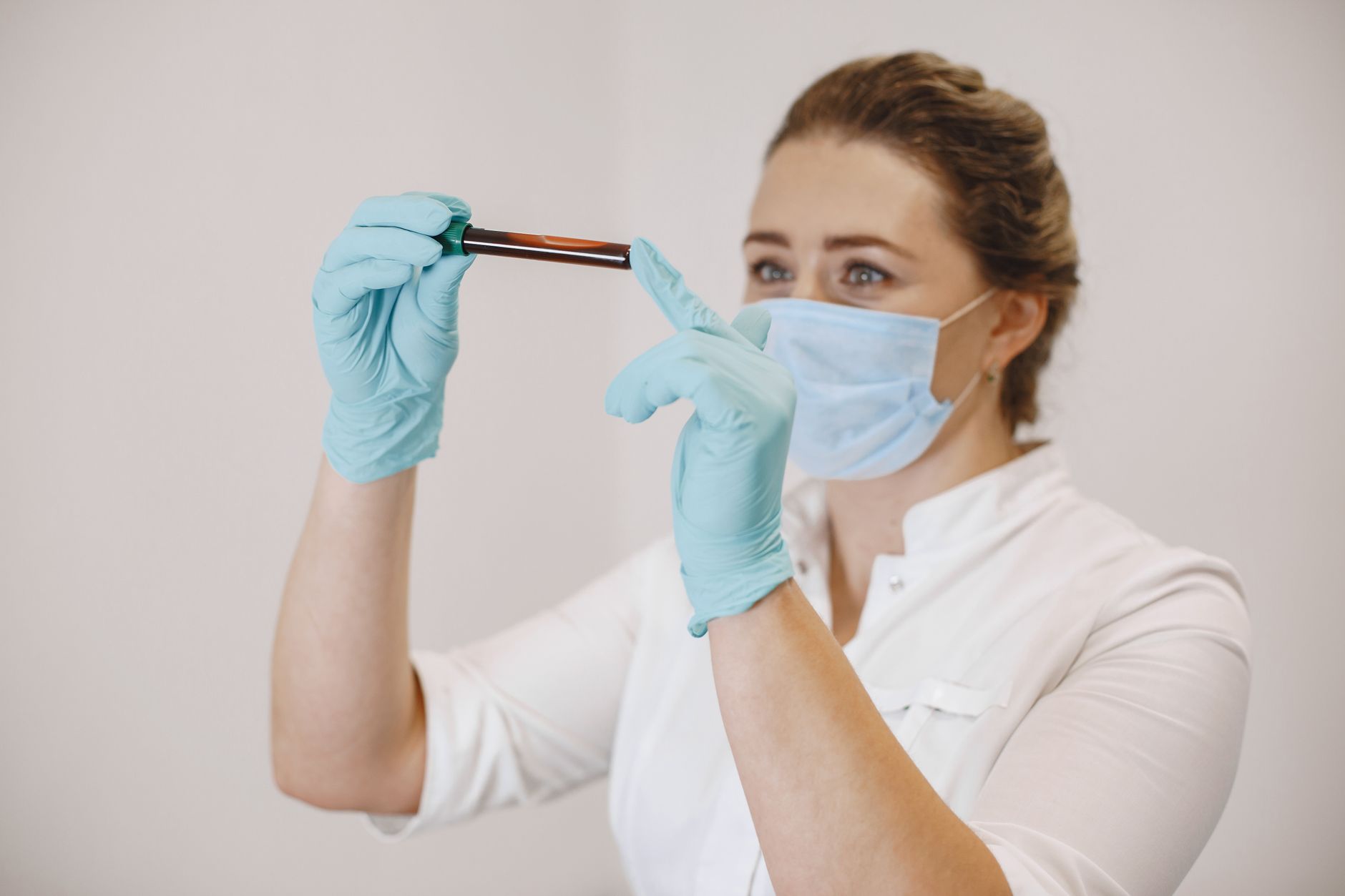
To understand why your veins burn, you must understand the endothelium. This single layer of delicate endothelial cells lines every artery, vein, and capillary in your body. It controls vascular tone, regulates blood clotting, and prevents immune cells from sticking to vessel walls.
SARS-CoV-2 spike protein binds directly to ACE2 receptors densely populated across endothelial surfaces. Once attached, it triggers a continuous local inflammatory cascade termed endothelialitis. The endothelial cells swell, shed their protective glycocalyx lining, and signal your platelets to aggregate.
Under normal physiological conditions, your body produces plasmin to dissolve fibrin clots once tissue repair is complete. However, research spearheaded by Professor Resia Pretorius demonstrated that spike protein induces anomalous amyloid-like fibrin generation. These microclots are structurally altered into dense, beta-sheet-rich formations that resist natural enzymatic breakdown. Your body cannot clear them on its own, leaving your capillaries blocked, your tissues starved, and your immune system perpetually triggered.
The Exact Protocol: Nattokinase for Long COVID Vascular Inflammation
Nattokinase is an extracellular alkaline protease purified from natto, a traditional Japanese fermented soybean dish. Unlike pharmaceutical anticoagulants that merely thin blood or block clotting factors, nattokinase possesses direct and indirect fibrinolytic activity. It breaks down cross-linked fibrin polymers directly and stimulates the vascular release of tissue plasminogen activator (tPA), which activates your body's native plasmin reserves.
To effectively use nattokinase for long covid vascular inflammation, you must treat it as a systemic cleansing agent, not a digestive aid. Follow these dosing, timing, and stacking parameters carefully.
Therapeutic Dosage and Administration
- Starting Week (Tolerance Phase): Take 2,000 Fibrin Units (FU), roughly 100 milligrams, once daily upon waking with a large glass of warm water. Remain completely fasted for at least 60 minutes afterward.
- Therapeutic Target (Weeks 2 to 12): Increase to 4,000 FU daily, split into two separate doses: 2,000 FU at 06:00 upon waking, and 2,000 FU right before bed, ensuring your evening meal was finished at least three hours prior.
- Severe Vascular Presentation: In stubborn cases marked by significant leg heaviness and peripheral cyanosis, increase under supervision to 6,000 FU daily, split into three 2,000 FU doses across the morning, late afternoon, and bedtime.
Critical Stacking Rules
- Pair with Bromelain: Take 500 mg of bromelain (standardised to at least 2,400 GDU/g) alongside your morning nattokinase. Bromelain acts synergistically to hydrolyse circulating immune complexes and degrade the surface glycoproteins of the spike protein itself.
- Avoid Anticoagulant Overlap: Never combine high-dose nattokinase with prescription blood thinners like Apixaban, Rivaroxaban, Warfarin, or high-dose Aspirin without explicit medical supervision, as your bleeding time will lengthen.
- Watch Vitamin K2 Contamination: Ensure your chosen supplement is certified free of Vitamin K2. While K2 is wonderful for bone and cardiovascular health when taken separately, contaminating your nattokinase with K2 can interfere with the enzyme's pure fibrinolytic action.
For those working through comprehensive recovery, combining this systemic enzyme protocol with reversing long COVID naturally at home ensures that cellular repair and gut integrity are addressed alongside microvascular clearance.
Measurable Signs Nattokinase for Long COVID Vascular Inflammation Is Working

Enzymatic clearance of vascular microclots does not happen overnight. The degradation of stubborn amyloid fibrin occurs molecule by molecule. Being aware of the clinical milestones prevents you from abandoning the protocol prematurely.
During the initial seven to ten days, many individuals notice a temporary flare in mild fatigue or achiness. As trapped microclots dissolve, cellular waste, sequestered inflammatory cytokines, and trapped spike fragments enter the bloodstream for filtration by your liver and kidneys. This is a sign of clearance, not harm, provided you support your organs with ample clean water and gentle binders.
By week three or four, the vascular improvements become unmistakably visible:
- Capillary Refill Normalises: Press firmly on your fingertip or thigh; the white imprint should return to healthy pink in under two seconds.
- Limb Temperature Evens Out: The icy sensation in your toes and fingers begins to dissipate as microcapillaries reopen to warm arterial blood.
- Venous Pooling Diminishes: You will notice less purple mottling and pooling around your ankles after standing for ten minutes.
- Exercise Tolerance Shifts: The heavy, lactic acid sensation that used to burn your quads on a short flight of stairs begins to soften into normal muscular exertion.
By week eight to twelve, vascular inflammation drops significantly. Blood pressure swings stabilise, brain fog lifts as cerebral perfusion returns, and the persistent internal vibration that plagues post-viral patients finally goes quiet.
Who Needs Nattokinase for Long COVID Vascular Inflammation Most
This specific enzymatic strategy is tailored for individuals suffering from vascular and autonomic presentations rather than isolated neurological or pulmonary symptoms. If you tick more than two of the following boxes, your pathology is heavily driven by endothelial inflammation and persistent microvascular clotting:
- Post-Viral POTS and Dysautonomia Patients: Individuals whose heart rates skyrocket upon standing due to defective venous return and capillary pooling in the lower extremities.
- The Heavy-Leg Cohort: People who feel as though their calves and thighs are packed with wet sand, experiencing burning sensations without any overt swelling or deep vein thrombosis.
- Individuals with Unexplained Blood Pressure Lability: Sufferers swinging from sudden spikes in systolic pressure to profound drops upon standing, reflecting inflamed, stiffened arterial walls.
- Post-Vaccine Microvascular Sufferers: Those who developed visible superficial veins, chest tightness, or cold extremities within weeks of mRNA vaccination.
If autonomic dysregulation prevents you from standing or exercising, layering this enzyme approach with a structured gentle daily walking protocol provides the gentle calf-muscle pump action required to push dissolved debris out of lower-body capillary beds.
How to Start Your Vascular Clearance Protocol Today

Do not rush out and take an enormous dose of enzymes on day one. A measured, methodical rollout protects your liver, minimises detoxification reactions, and gives your vascular system time to adapt.
- Procure a Pure, Verified Product: Select an enteric-coated or acid-resistant capsule of nattokinase certified at 2,000 FU per dose, strictly free of Vitamin K2 and artificial fillers.
- Establish Your Fasting Windows: Identify your daily dosing gaps. Your morning dose must be taken with at least 300 ml of pure water immediately upon waking, with zero coffee, tea, or food for sixty minutes. Your night dose must happen at least three hours after dinner.
- Begin at 2,000 FU Daily for Five Days: Assess your subjective response. Monitor your skin, check for any unusual bruising, and note any changes in capillary colour.
- Step Up to 4,000 FU at Day Six: Introduce your second 2,000 FU dose before sleep. This overnight window is when your vascular system is at rest, making it the most potent time for fibrinolysis.
- Incorporate Daily Hydrotherapy: Support microvascular tone by alternating warm and cool water across your calves and feet at the end of your daily shower to stimulate nitric oxide release.
- Commit to Twelve Weeks: Resist the urge to stop when your limbs first feel lighter at week four. Fibrin clearing requires consistent pressure to reach deep capillary networks.
Reclaiming Clear Veins, Normal Pressure, and Lasting Energy
Endothelial inflammation is not an imaginary condition, and you are not doomed to live with frozen toes, burning calves, and exhausted muscles forever. The persistent vascular distress of long COVID is driven by concrete, physical debris: spike-induced amyloid microclots that standard hospital assays are simply not built to detect.
By providing your bloodstream with the targeted enzymatic power of pure nattokinase, you directly target the root of capillary obstruction. You degrade the cross-linked fibrin nets, relieve the chronic pressure on swollen endothelial walls, and restore vital oxygen delivery to every tissue in your body.
Be patient with your blood vessels. They did not become inflamed overnight, and dissolving months of resistant micro-debris takes disciplined, structured intervention. The complete protocol lives in The Waterman Protocols, giving you the detailed maps, co-factors, and supportive stacks required to take your recovery across the finish line and permanently quiet the vascular storm.
*
Frequently Asked Questions
How quickly does nattokinase begin clearing vascular microclots in long COVID?
Nattokinase begins breaking down fibrin within hours of entering your bloodstream, but noticeable symptomatic relief typically takes three to six weeks. Fibrinolytic enzymes must systematically dissolve billions of microscopic protein aggregates lodged throughout miles of capillaries. Consistent daily dosing on an empty stomach ensures ongoing enzymatic pressure, leading to visible reductions in limb heaviness and mottling over a standard twelve-week therapeutic protocol.
Can I take nattokinase if I am already taking aspirin daily?
You should never combine nattokinase with pharmaceutical antiplatelet drugs like aspirin or prescription anticoagulants without professional medical supervision. Because nattokinase actively degrades fibrin and enhances native tissue plasminogen activator release, pairing it with pharmaceutical blood thinners significantly elevates your risk of uncontrolled bleeding, spontaneous bruising, and microvascular haemorrhage. Always consult your prescribing physician before layering systemic enzymes over pharmaceutical medications.
Why must nattokinase be taken strictly on an empty stomach?
Taking nattokinase with food destroys its systemic therapeutic value because your stomach treats the enzyme as a dietary protein. Digestive enzymes and hydrochloric acid break it down to aid food digestion rather than allowing intact absorption across the intestinal wall into your bloodstream. To ensure nattokinase enters systemic circulation to target vascular microclots, consume it at least one hour before breakfast or three hours after dinner.
What are the most common side effects during the first week?
The most frequent early responses include mild headaches, temporary increases in fatigue, and slight muscular aches as sequestered inflammatory debris enters circulation. When trapped microclots dissolve, locked-away cytokines and spike protein remnants are released into the blood for hepatic and renal clearance. Staying well hydrated, taking gentle binders, and gradually stepping up your dosage minimises these transient clearance reactions effectively.
Does nattokinase contain soy proteins that could trigger an allergic reaction?
While nattokinase is derived from the fermentation of non-GMO soybeans by Bacillus subtilis, high-purity clinical extracts contain virtually no residual soy isoflavones or allergenic proteins. However, individuals with severe, anaphylactic soy allergies should exercise caution. Look for pharmaceutical-grade brands that provide batch-specific certificates of analysis demonstrating zero detectable soy protein remnants, or opt for an alternative fibrinolytic like lumbrokinase under clinical guidance.
Frequently asked questions
How quickly does nattokinase begin clearing vascular microclots in long COVID?+
Nattokinase begins breaking down fibrin within hours of entering your bloodstream, but noticeable symptomatic relief typically takes three to six weeks. Fibrinolytic enzymes must systematically dissolve billions of microscopic protein aggregates lodged throughout miles of capillaries. Consistent daily dosing on an empty stomach ensures ongoing enzymatic pressure, leading to visible reductions in limb heaviness and mottling over a standard twelve-week therapeutic protocol.
Can I take nattokinase if I am already taking aspirin daily?+
You should never combine nattokinase with pharmaceutical antiplatelet drugs like aspirin or prescription anticoagulants without professional medical supervision. Because nattokinase actively degrades fibrin and enhances native tissue plasminogen activator release, pairing it with pharmaceutical blood thinners significantly elevates your risk of uncontrolled bleeding, spontaneous bruising, and microvascular haemorrhage. Always consult your prescribing physician before layering systemic enzymes over pharmaceutical medications.
Why must nattokinase be taken strictly on an empty stomach?+
Taking nattokinase with food destroys its systemic therapeutic value because your stomach treats the enzyme as a dietary protein. Digestive enzymes and hydrochloric acid break it down to aid food digestion rather than allowing intact absorption across the intestinal wall into your bloodstream. To ensure nattokinase enters systemic circulation to target vascular microclots, consume it at least one hour before breakfast or three hours after dinner.
What are the most common side effects during the first week?+
The most frequent early responses include mild headaches, temporary increases in fatigue, and slight muscular aches as sequestered inflammatory debris enters circulation. When trapped microclots dissolve, locked-away cytokines and spike protein remnants are released into the blood for hepatic and renal clearance. Staying well hydrated, taking gentle binders, and gradually stepping up your dosage minimises these transient clearance reactions effectively.
Does nattokinase contain soy proteins that could trigger an allergic reaction?+
While nattokinase is derived from the fermentation of non-GMO soybeans by Bacillus subtilis, high-purity clinical extracts contain virtually no residual soy isoflavones or allergenic proteins. However, individuals with severe, anaphylactic soy allergies should exercise caution. Look for pharmaceutical-grade brands that provide batch-specific certificates of analysis demonstrating zero detectable soy protein remnants, or opt for an alternative fibrinolytic like lumbrokinase under clinical guidance.
Get the full protocol in the book
Everything in this article — plus the full step-by-step protocols, exact dosages and the Iced Shake Method — is inside The Waterman Protocols.
Get the Book on Amazon →