Diosmin Hesperidin for Long COVID POTS: 7 Proven Steps
Rebuild your damaged venous tone and calm your post-viral racing heart with diosmin hesperidin for long covid pots.

Key Takeaways
- Using diosmin hesperidin for long covid pots strengthens weakened blood vessels to stop blood pooling in your lower limbs.
- Micronised bioflavonoids work synergistically to dissolve persistent fibrin amyloid microclots and calm secondary autonomic overdrive.
- A daily clinical intake of 1000mg in a 9 to 1 ratio delivers measurable improvements in standing heart rate stability within four weeks.
The bit the guidelines miss: Most cardiologists treat post-COVID POTS purely as a nerve malfunction, throwing beta-blockers and salt tablets at the problem. Yet they completely miss the microscopic venous collapse. If your endothelial glycocalyx is stripped and your veins cannot constrict, gravity pools half a litre of blood in your legs every time you stand up. When you use micronised purified flavonoid fraction (MPFF) at a precise 900mg diosmin to 100mg hesperidin split, you restore venous tone mechanically. Your heart stops hammering because the blood actually makes it back upstairs.
Can diosmin hesperidin for long covid pots finally calm your racing pulse and standing dizziness? Standing up should never feel like running a steep marathon. Yet for millions dealing with post-viral dysautonomia, leaving the sofa triggers an alarming surge in heart rate, heavy limbs, trembling knees, and suffocating brain fog. Standard medical tests repeatedly come back completely clear, leaving patients stranded without answers. This guide uncovers the hidden vascular breakdown causing your orthostatic symptoms and provides an actionable, evidence-based roadmap to regain autonomic balance.
The Hidden Vascular Driver Behind Post-COVID Heart Racing
Postural Orthostatic Tachycardia Syndrome (POTS) is rarely an isolated neurological disorder after a viral infection. It is predominantly a vascular failure masquerading as an electrical heart defect. When you stand upright, gravity immediately pulls roughly 500 to 800 millilitres of venous blood down into your abdomen, pelvis, and lower extremities.
In a healthy body, your sympathetic nervous system instantly constricts venous smooth muscle to push that blood straight back to your heart and brain. In post-viral recovery, that constriction fails completely. Your blood vessels remain slack, dilated, and leaky. Your heart is forced to pump twice as hard and fast simply to keep oxygen flowing to your cerebral cortex. The complete protocol lives in The Waterman Protocols, showing how systemic inflammation paralyzes healthy vascular responses.
Patients often notice their feet turning purple or mottled red in the shower. This pooling is direct visual evidence of venous insufficiency. You feel jittery, breathless, and exhausted because your adrenal glands are dumping adrenaline around the clock to compensate for absent vascular tone. If you do not fix the structural vessel wall, your nervous system remains trapped in perpetual emergency mode.
How Microclots and Endothelial Damage Provoke Autonomic Dysfunction

To understand why your veins refuse to tighten, you must look at the vascular endothelium. The inner lining of your blood vessels is coated with an ultra-delicate gel layer known as the endothelial glycocalyx. Viral spike proteins directly attack this barrier, stripping away protective sugars and triggering chronic endothelialitis.
At the same time, inflammatory debris induces persistent microclots. Researched extensively by Professor Resia Pretorius, these amyloid-rich fibrin clots resist ordinary enzymatic breakdown. They lodge inside microscopic capillaries, starving peripheral tissues of essential oxygen and blocking local nitric oxide signalling. You can review our detailed breakdown on diosmin and hesperidin vascular support to understand how bioflavonoids address capillary blockages.
When microcapillaries remain choked with microclots, local baroreceptors malfunction. These pressure sensors fail to register true blood volume, sending distorted distress signals to the brainstem. The brain responds by ramping up sympathetic tone, producing the classic POTS picture: orthostatic tachycardia, air hunger, tremors, and severe cognitive sluggishness. Restoring vascular health requires clearing these micro-obstructions while strengthening flaccid venous tissue.
Why Diosmin Hesperidin for Long COVID POTS Restores Blood Flow
Diosmin and hesperidin are citrus-derived bioflavonoids that have served as vascular-protective medicines across Europe for over thirty years. While conventional doctors often overlook them in neurological clinics, their unique pharmacological action targets the exact vascular flaws seen in post-viral dysautonomia.
First, diosmin prolongs the vasoconstrictor response of noradrenaline on venous walls. It increases venous tone, reduces venous capacitance, and directly stops venous stasis. When you stand up, your lower leg veins remain tight and responsive, forcing pooled blood back into central circulation.
Second, hesperidin functions as an aggressive antioxidant and endothelial shield. It dampens the expression of intercellular adhesion molecules (ICAM-1 and VCAM-1), which prevents inflammatory white blood cells from sticking to and degrading injured vessel walls. Together, they dramatically reduce capillary permeability, resolving the subtle interstitial oedema that makes your legs feel like solid lead blocks.
Finally, this botanical combination actively supports the degradation of microvascular sludging. By improving erythrocyte flexibility and preventing red blood cell aggregation, diosmin hesperidin for long covid pots enables oxygen-rich red cells to squeeze through clogged micro-vessels. Your tissues receive steady perfusion, your carotid baroreceptors calm down, and your autonomic nervous system steps down from high alert.
The Clinical Protocol: Diosmin Hesperidin for Long COVID POTS
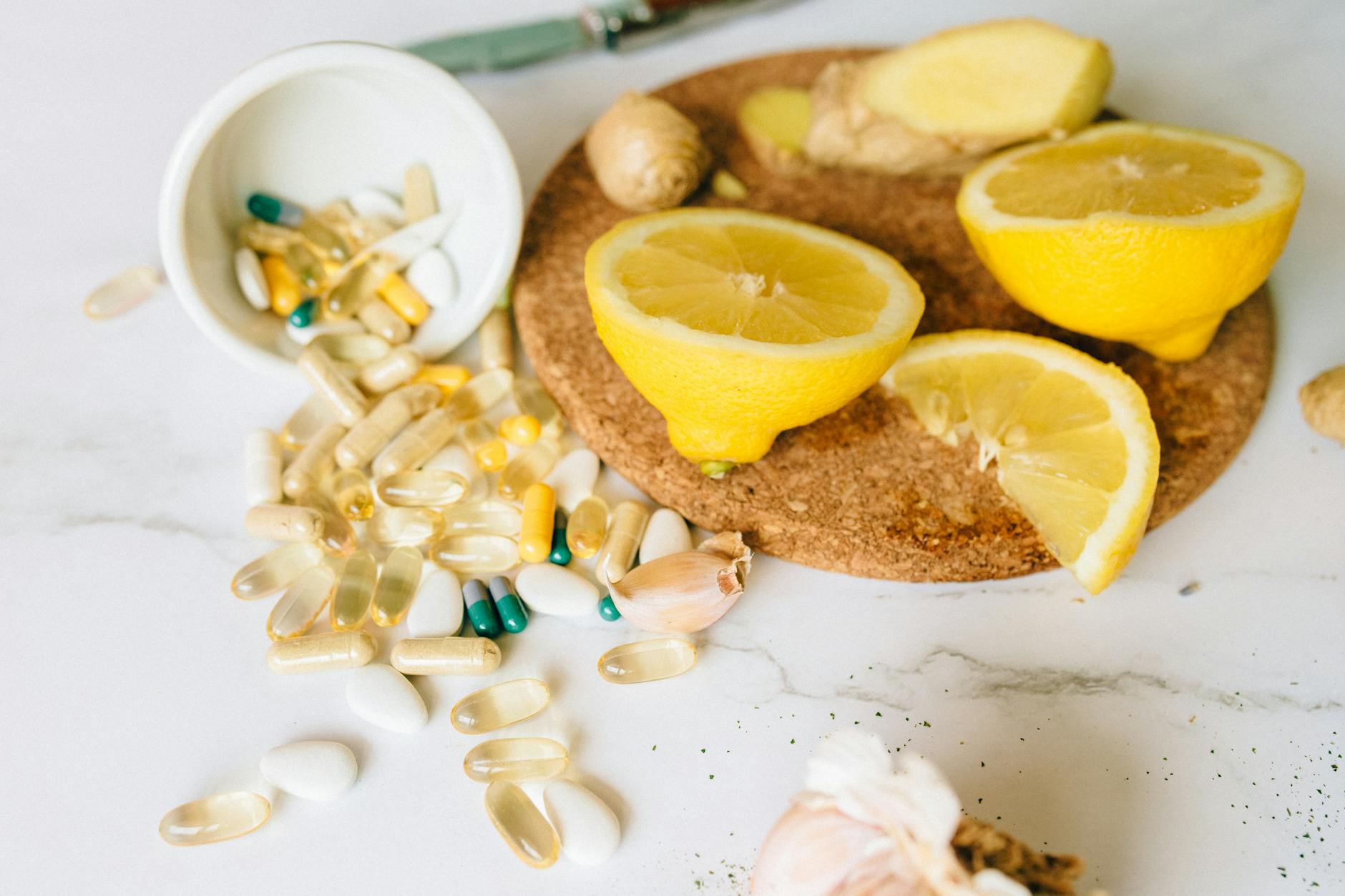
Achieving clinical success requires the right form, accurate proportions, and consistent administration. You cannot simply grab unrefined citrus peel powder and expect your dysautonomia to vanish.
1. Form and Ratio Matter Immensely
Always source a Micronised Purified Flavonoid Fraction (MPFF). Standard unmicronised diosmin features large, poorly soluble particles that pass straight through the human digestive tract unabsorbed. Micronisation reduces the particle size below two micrometres, dramatically boosting lymphatic bioavailability.
Ensure your supplement mirrors the established clinical ratio:
- 90% Micronised Diosmin (450mg or 900mg)
- 10% Hesperidin (50mg or 100mg)
This specific 9 to 1 synergy is what scientific trials validate for reversing microvascular fragility and chronic venous pooling.
2. Daily Dosage Schedules
For active post-viral POTS and severe venous pooling, divide your intake into two equal daily doses:
- Morning Dose: 500mg (450mg diosmin / 50mg hesperidin) taken with breakfast.
- Midday Dose: 500mg (450mg diosmin / 50mg hesperidin) taken with lunch.
Taking your bioflavonoids with a small source of healthy dietary fat, like olive oil, avocado, or eggs, enhances intestinal assimilation. Avoid taking your final dose late in the evening, as improved circulation and noradrenaline sensitivity can occasionally promote wakefulness.
3. Synergistic Co-Factors
Pairing diosmin and hesperidin with targeted natural compounds multiplies their effectiveness:
- Nattokinase (2000 to 4000 FU daily): Taken on an empty stomach to degrade fibrin-amyloid microclots, clearing the path for improved venous return.
- Vitamin C (500mg twice daily): Essential for collagen synthesis, cross-linking the structural matrix of fragile veins.
- Electrolyte complexes (high sodium and potassium): Expands total circulating blood volume while the bioflavonoids ensure that expanded volume does not simply seep into your ankles.
Many patients also benefit from targeted protocols for relieving venous blood pooling and leg swelling, which work hand in hand with these autonomic stabilisers.
What Changes When You Use Diosmin Hesperidin for Long COVID POTS
Healing damaged microvasculature takes biological time. Tissue remodelling does not happen overnight, but patients track distinct shifts across an eight-week timeline when adhering to the protocol.
Weeks 1 to 2: Reduced Heaviness and Fluid Shift
During the initial fortnight, capillary leakage begins to decline. You will likely notice that your legs feel noticeably lighter upon waking. The mottled purple skin discoloration (livedo reticularis) that appears after standing or showering starts to fade. While your heart rate may still spike on standing, the drop in blood pressure that triggers immediate black spots in your vision begins to soften.
Weeks 3 to 4: Heart Rate Stabilisation
By the fourth week, prolonged noradrenaline signalling on venous walls re-establishes vascular tone. Because blood is no longer pooling helplessly in the splanchnic and femoral beds, venous return to the right atrium remains steady. Patients typically observe a reduction of 15 to 25 beats per minute in their standing heart rate compared to their unmedicated baseline. Post-exertional crashes become less severe.
Weeks 5 to 8: Autonomic Resiliency and Cognitive Lift
With restored cerebral perfusion, the suffocating brain fog that accompanies POTS lifts. You can stand to prepare a meal, shower without needing to sit down, and walk around the block without triggering hours of autonomic tremors. Your body shifts out of sympathetic dominance, allowing deeper, more restorative slow-wave sleep at night.
Who Benefits Most from Diosmin Hesperidin for Long COVID POTS

This nutritional therapy is not a one-size-fits-all magic bullet, but it delivers remarkable relief for specific clinical phenotypes:
- The Dependent Pooling Phenotype: Individuals whose feet, calves, and hands turn bright red or deep purple within two minutes of standing, accompanied by throbbing pain.
- The Adrenaline Surge Phenotype: People who wake in the middle of the night with pounding hearts, cold sweats, and internal tremors driven by compensatory sympathetic overdrive.
- The Post-Vaccine Dysautonomia Group: Those who developed abrupt postural dizziness, fatigue, and heart palpitations shortly following vaccination due to spike-induced endothelialitis.
- The Heat-Intolerant Sufferer: Anyone whose POTS symptoms worsen dramatically in hot weather, warm baths, or after eating large carbohydrate-dense meals that pull blood into the digestive tract.
If your primary barrier to recovery is physical blood pooling and weak vascular tone, this protocol addresses the direct physical driver of your illness.
How to Start Rebuilding Your Circulation Today
Do not wait for your symptoms to magically resolve on their own. Take these practical, sequential steps to begin strengthening your vascular tree immediately.
- Secure a High-Quality MPFF Formula: Look specifically for micronised purified flavonoid fraction with 900mg diosmin and 100mg hesperidin per two-capsule serving. Avoid generic whole citrus extracts that lack standardised percentages.
- Hydrate With Purpose: Drink 500ml of water containing a balanced electrolyte mix twenty minutes before getting out of bed in the morning to preload your vascular volume.
- Initiate the Split Dosing: Take 500mg of your bioflavonoid complex with breakfast and another 500mg with your lunch. Keep a daily log of your resting and standing heart rates using a pulse oximeter or smartwatch.
- Incorporate Gentle Skeletal Muscle Pumping: While your veins regain tone, perform calf raises and glute squeezes before standing up. The mechanical muscle contractions squeeze deep veins, assisting upward blood flow.
- Introduce Microclot Dissolution: Add systemic fibrinolytic enzymes like nattokinase away from food to clear microvascular sludge while your bioflavonoids rebuild vessel integrity.
- Avoid Heat Triggers: Steer clear of scalding showers and saunas during your first four weeks on the protocol, as extreme heat forces peripheral vessels to dilate and cancels out the tone you are working to rebuild.
- Audit Your Progress at 30 Days: Review your standing heart rate data. Most individuals notice significant autonomic stabilisation, allowing them to gently expand their daily walking tolerance.
Reclaiming Your Life From Post-Viral Dysautonomia
Living with post-COVID POTS can make your world feel impossibly small. When simple human acts like standing to brush your teeth or walking to the postbox send your heart racing into the 140s, it is completely natural to feel frustrated, frightened, and isolated. Yet it is vital to remember that your heart is not broken. Your autonomic nervous system is simply reacting rationally to a mechanical problem: weak, leaky veins that cannot return blood against gravity.
By addressing the structural integrity of your vessels, eliminating persistent microclots, and restoring endothelial tone, you remove the constant alarm signal driving your nervous system wild. Recovery is not a mysterious stroke of luck; it is a systematic, biological repair process. As the book walks through the exact dosages, restoring your vascular infrastructure step by step gives your body the physical stability it needs to heal completely and permanently.
*
Frequently Asked Questions
How does diosmin hesperidin help long COVID POTS symptoms?
Diosmin and hesperidin work by directly improving venous tone and elasticity. In long COVID POTS, blood pools in the lower limbs due to damaged, dilated veins. These bioflavonoids stimulate venous smooth muscle contraction, decrease capillary leakage, and assist blood return to the heart and brain, preventing compensatory tachycardia.
What is the recommended dosage of diosmin hesperidin for POTS?
The standard clinical intake is 1000mg daily of Micronised Purified Flavonoid Fraction (MPFF). This is split into 500mg with breakfast and 500mg with lunch, providing 900mg of micronised diosmin and 100mg of hesperidin daily. Always take capsules with meals containing healthy fats for optimal absorption.
How long before I notice improvements in my standing heart rate?
Most individuals begin noticing reduced leg heaviness and decreased skin mottling within ten to fourteen days. Measurable reductions in standing heart rate spikes typically appear between weeks three and four of daily use. Maximum vascular stabilisation and cognitive clarity improvements generally develop across eight to twelve weeks of consistent therapy.
Can I combine diosmin hesperidin with standard POTS beta blockers?
Diosmin and hesperidin work mechanically on blood vessel walls rather than directly blocking cardiac beta-receptors. Many patients successfully combine them with prescribed medications. However, because bioflavonoids improve venous return and can gently stabilise blood pressure, you should monitor your readings closely and consult your physician regarding medication adjustments.
Is micronised diosmin hesperidin safe for long term daily use?
Clinical trials in vascular medicine demonstrate an exceptional safety profile for micronised purified flavonoid fraction even when taken continuously for several years. Side effects are rare and typically limited to mild digestive changes during the first few days. Periodic reassessment every six months helps determine if a lower maintenance dose is appropriate.
Get the full protocol in the book
Everything in this article — plus the full step-by-step protocols, exact dosages and the Iced Shake Method — is inside The Waterman Protocols.
Get the Book on Amazon →