Huperzine A for Long COVID Dizziness: 7 Proven Recovery Steps
Discover how huperzine a for long covid dizziness restores parasympathetic balance, clears brain fog, and stabilises cerebral perfusion.

Key Takeaways
- Using huperzine a for long covid dizziness targets acetylcholine breakdown to restore damaged vagus nerve signalling and stabilise blood pressure.
- A standard starting dose of 50 to 100 mcg daily helps rebuild cerebral blood perfusion without triggering acetylcholine overload.
- Pairing Huperzine A with systemic microclot dissolution creates a dual action strategy that addresses both neurovascular inflammation and autonomic instability.
The bit the guidelines miss: Most long COVID clinics treat dizziness as generic vestibular migraine or anxiety, completely ignoring persistent neuro-inflammation along the nodose ganglion of the vagus nerve. When I collapsed with post-viral dysautonomia, standard electrolytes did nothing because my cholinergic anti-inflammatory pathway was effectively stalled. Huperzine A crosses the blood-brain barrier rapidly and blocks acetylcholinesterase reversibly, keeping acetylcholine active at the synaptic cleft to force the vagus nerve back online, which stabilises blood pressure within days.
Are you struggling with persistent lightheadedness whenever you stand up? Using huperzine a for long covid dizziness offers a targeted, biochemically sound route to regain your stability and balance. You rise from a chair, your vision greys around the edges, the floor seems to pitch sideways, and your heart races to compensate. This disorienting symptom ruins careers, robs independence, and leaves sufferers terrified of simple daily walks. In this complete guide, you will learn why your autonomic nervous system remains frozen in distress, how acetylcholinesterase inhibition works, and the exact step-by-step routine needed to walk with steady feet once again.
The Crippling Reality of Post-Viral Lightheadedness
Post-viral dizziness is rarely just an inner ear disturbance. It is a frightening, full-body sensation where your brain feels starved of oxygen every single time you change posture. Sufferers describe it as walking on spongy floorboards, floating through fog, or feeling as though an invisible hand is tugging their torso toward the ground. You visit your GP, undergo basic vestibular testing, and sit through an MRI scan, only to be told your ears are fine and your scans look clear. Yet you cannot stand over the cooker without clutching the kitchen worktop for support.
This chronic instability is deeply intertwined with dysautonomia, postural orthostatic tachycardia, and blunted autonomic reflexes. If you have been searching for answers, the complete protocol lives in The Waterman Protocols, offering step-by-step guidance to rebuild neurological endurance from the ground up. Standard medical guidance often hands out anti-vertigo medications that merely sedate the central nervous system, making your fatigue worse instead of repairing the root firing mechanisms of your autonomic nerves. You end up trapped in a cycle of weakness, immobility, and crushing sensory overload.
The Root Mechanism Behind Autonomic Instability

To resolve this condition, you must understand why your brain is failing to control blood vessel tone. Under normal conditions, standing up causes gravity to pull blood down toward your abdomen and legs. Your autonomic nervous system instantly responds by firing cholinergic signals down the vagus nerve. This triggers vascular constriction, maintaining steady arterial pressure so your brain receives an uninterrupted stream of oxygen and glucose.
During and after a viral infection, neurovascular inflammation damages the cholinergic anti-inflammatory pathway. Persistent viral fragments, spike proteins, and trapped microclots irritate the endothelial linings of cranial blood vessels. At the same time, the production and transmission of acetylcholine, the chief neurotransmitter of the parasympathetic nervous system, drops precipitously. Without adequate acetylcholine binding to muscarinic and nicotinic receptors, your brain cannot tell your peripheral blood vessels to tighten promptly when you stand. Blood pools in the lower extremities, cerebral perfusion plummets, and severe dizziness strikes.
Furthermore, the vagus nerve itself becomes inflamed. This master nerve controls heart rate variability, digestion, and vestibular coordination. When acetylcholine levels fall, acetylcholinesterase, an enzyme designed to clear acetylcholine, strips away whatever little neurotransmitter remains. Your body gets stuck in a perpetual sympathetic overdrive, driving a high heart rate while leaving your brain starved of blood flow. By inhibiting acetylcholinesterase, you allow your natural acetylcholine to pool, linger, and re-establish proper signalling across the entire vagal circuit.
Natural Protocol: Huperzine A for Long COVID Dizziness
Implementing a targeted protocol requires precise timing, pure sourcing, and gradual titration. Huperzine A is a potent, purified sesquiterpene alkaloid derived from the club moss Huperzia serrata. Unlike synthetic pharmaceuticals that can carry severe side effects, Huperzine A acts as a highly selective, reversible acetylcholinesterase inhibitor with exceptional bioavailability.
1. Dosage and Titration Rules
Never begin with massive doses of cholinergic compounds. The goal is to gently saturate receptors without triggering excessive parasympathetic activity, such as stomach cramping or watery eyes.
- Week 1: Take 50 mcg (micrograms) once daily with morning food. This establishes individual tolerance and begins gently elevating synaptic acetylcholine.
- Week 2 to 4: Increase to 100 mcg daily, taken first thing in the morning alongside healthy fats such as avocado or extra virgin olive oil to enhance absorption.
- Advanced Tier: If substantial dizziness persists after four weeks and tolerance is excellent, you may split the dose into 100 mcg at breakfast and 50 mcg at midday. Never take Huperzine A late in the afternoon, as elevated acetylcholine can interfere with normal rapid eye movement sleep architecture.
- Cycling Requirement: To prevent receptor down-regulation, take Huperzine A for five consecutive days followed by two days completely off each week, or three weeks on followed by one week off.
2. Essential Synergy Stacks
Acetylcholinesterase inhibition works best when you also provide the raw building blocks for acetylcholine synthesis and eliminate vascular debris.
- Alpha-GPC or CDP-Choline: Provide the choline precursor (250 mg daily) so your brain can synthesise fresh acetylcholine while Huperzine A prevents its breakdown.
- Vascular Support: To clear the microclots that choke oxygen delivery to the vestibular nuclei, many people combine this routine with systemic enzymes. For instance, pairing this approach with bromelain for long covid gut inflammation or diosmin hesperidin for long covid dizziness creates a powerful synergy that opens microcapillaries while toning autonomic nerves.
- Electrolyte Loading: Take 500 mg of sodium and 200 mg of potassium in warm water 20 minutes before rising from bed to physically expand blood volume alongside neural tone.
```
Morning Autonomic Recovery Stack:
+ 07:30 - 500 ml water + pinch of unrefined sea salt
+ 08:00 - Breakfast containing healthy fats
+ 08:15 - Huperzine A (50 to 100 mcg) + Alpha-GPC (250 mg)
+ 12:30 - Hydration check + systemic vascular support
```
What Changes When You Follow Huperzine A for Long COVID Dizziness
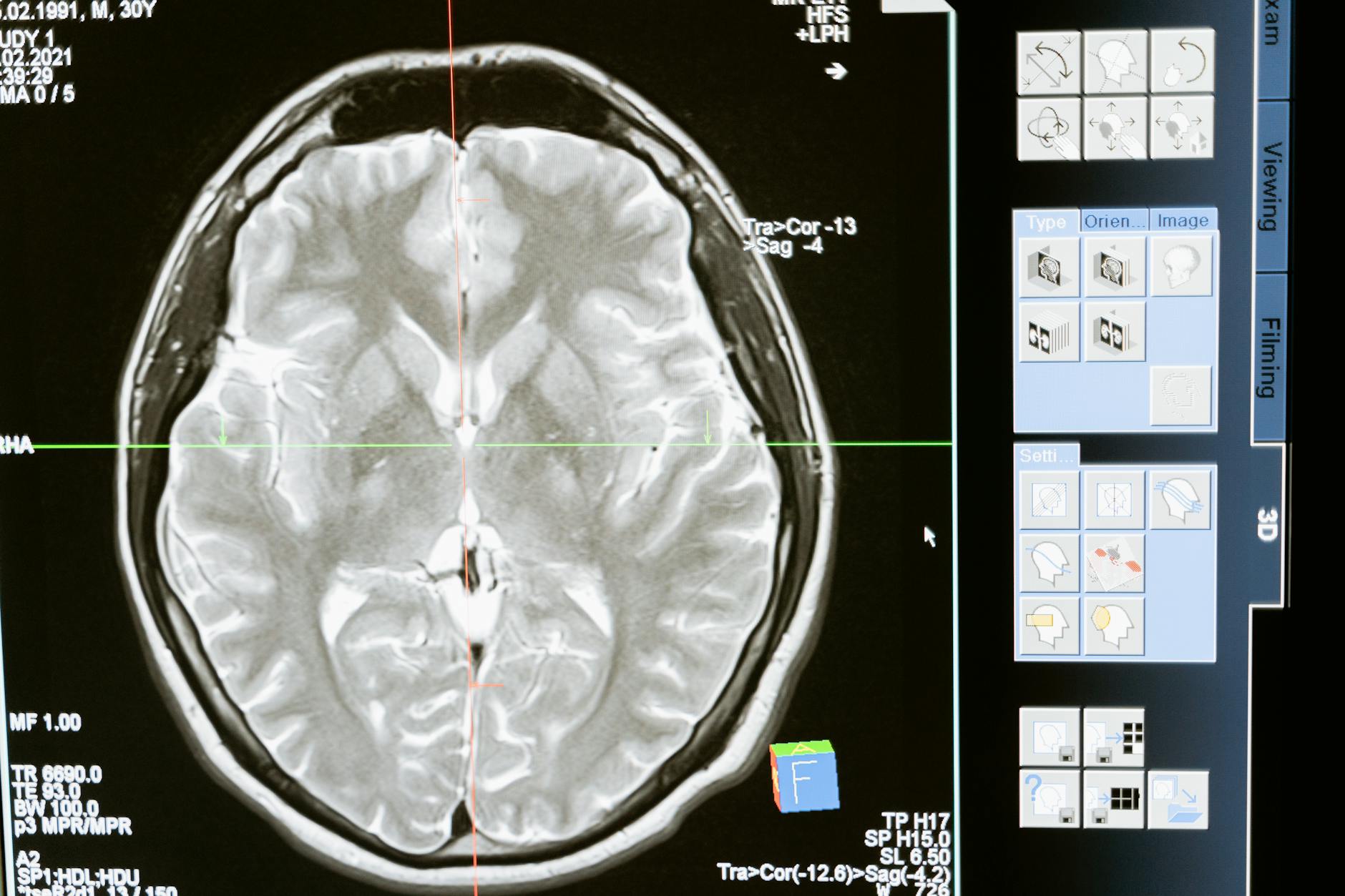
When you consistently introduce this alkaloid, the physiological shifts occur in noticeable, structured stages. Sufferers who felt chained to their beds or sofas often notice the first glimmers of stability within the first seven to ten days of steady dosing.
Days 1 to 7: The Stabilisation Phase
During the initial week, the immediate surge in synaptic acetylcholine begins calming the overactive sympathetic nervous system. Your resting heart rate starts to drop a few beats per minute. You notice that when you sit up in bed, the sudden room-spinning sensation is noticeably shorter and less violent. Your eyes track objects across the room with less strain, reducing the motion sickness often triggered by scrolling on screens or walking under harsh supermarket lighting.
Weeks 2 to 4: Restoration of Orthostatic Reflexes
As the vagus nerve recovers tone, peripheral blood vessels begin to respond correctly to orthostatic changes. You can stand up from a dining chair without needing to pause and steady yourself. Cerebral blood flow remains stable, eliminating the grey veil that previously clouded your vision. Mental clarity sharpens simultaneously, because the very same acetylcholine pathways responsible for vestibular balance govern working memory, focus, and verbal recall.
Weeks 5 and Beyond: Long-Term Autonomic Resilience
With consistent cycling and sustained vascular clearance, the underlying neuro-inflammation settles. You regain the physical stamina required to complete normal errands, walk down flights of stairs with confidence, and participate in gentle physical movement without triggering a post-exertional crash or dizzy spell.
Who This Strategy Helps Most
The protocol using huperzine a for long covid dizziness is not a generic tonic; it is specifically calibrated for people experiencing neuro-autonomic failure. It is particularly effective for:
- POTS and Dysautonomia Patients: Individuals whose heart rates skyrocket by 30 beats per minute or more upon standing, accompanied by feeling faint or disoriented.
- Sensory Overload Sufferers: People who experience dizziness triggered by busy visual environments, crowds, moving vehicles, or screen work.
- Post-Viral Vestibular Patients: Those who have been diagnosed with vestibular neuritis or persistent postural-perceptual dizziness after a systemic viral illness.
- Those with Concurrent Brain Fog: Sufferers who experience dizziness hand-in-hand with memory lapses, spatial confusion, and an inability to find words.
However, individuals with pre-existing severe bradycardia (resting heart rates consistently below 50 beats per minute), active peptic ulcers, or unmanaged asthma should exercise caution, as increasing acetylcholine can promote bronchial secretions and slow cardiac nodal pacing.
How to Start Your Recovery Today

Taking charge of your recovery requires a calm, systematic plan. Do not rush out and purchase high-dose blends that combine ten different nootropics into one pill. You need pure, unadulterated compounds so you know precisely how your nervous system responds.
- Procure Pure Huperzine A: Source a standalone Huperzine A supplement standardised to 1% purity, yielding precisely 50 mcg or 100 mcg per capsule or tablet. Avoid complex multi-ingredient pre-workouts or aggressive cognitive formulas.
- Set Up a Baseline Tracking Journal: For three days prior to starting, record your morning resting heart rate, your heart rate upon standing for two minutes, and your subjective dizziness score from 1 to 10. This provides empirical feedback on your autonomic recovery.
- Initiate Morning Dosing: On day one of your protocol, take a single 50 mcg dose with your breakfast. Ensure you drink at least 350 ml of water with a pinch of unrefined sea salt alongside your meal.
- Maintain the 5-On, 2-Off Rhythm: Take your dose from Monday to Friday, taking Saturday and Sunday off. This simple routine preserves receptor sensitivity and prevents tolerance from creeping in.
- Incorporate Gentle Vagal Stimulation: Alongside your morning dose, perform two minutes of slow diaphragmatic breathing: inhale through your nose for four seconds, hold for two, and exhale slowly through pursed lips for seven seconds. This reinforces the chemical signalling of Huperzine A with physical autonomic stimulation.
- Evaluate at Day 14: Review your tracking journal. If dizziness upon standing has decreased by 50% or more, maintain your current dose. If lightheadedness persists and tolerance is clean, step up to 100 mcg each morning.
Reclaiming Your Equilibrium and Moving Forward
Living with chronic dizziness is an exhausting, invisible burden that makes the simplest tasks feel perilous. Yet your body is not permanently broken; your autonomic circuitry has simply been starved of the vital cholinergic signals required to manage blood vessel tone and vestibular equilibrium. By specifically raising acetylcholine availability, you give the vagus nerve the biological leverage it needs to reassert control over your vascular tree.
You can move past the constant fear of collapsing or the dread of standing in line at the chemist. To see how this fits into a complete, step-by-step master plan for total biological renewal, the exact dosages, timings, and supporting stacks are detailed inside Matt's book. Approach your healing with patience, respect the biological cycle of your nervous system, and take the first decisive step toward steady, confident ground today.
*
Frequently Asked Questions
How does Huperzine A help relieve post-viral dizziness?
Huperzine A works by reversibly inhibiting acetylcholinesterase, the primary enzyme that breaks down the crucial neurotransmitter acetylcholine. Following viral injury, autonomic and vagal signalling are often impaired, leading to poor vascular constriction and cerebral blood pooling. By preserving acetylcholine, Huperzine A restores nerve communication, stabilises blood pressure reflexes upon standing, and reduces vestibular disorientation.
What is the safest starting dosage for long COVID dizziness?
A prudent starting dosage is 50 to 100 mcg taken once daily in the morning with food. Starting low allows you to evaluate your nervous system tolerance without triggering cholinergic excess. Always use a standalone product rather than a high-dose multi-ingredient blend, and consider cycling five days on followed by two days off.
How quickly can I expect to feel steady on my feet?
Many people report subtle improvements in balance and a reduction in post-standing greyouts within seven to ten days of consistent use. Deeper autonomic stability, such as standing comfortably for long periods and tolerating visually busy environments, typically solidifies after three to four weeks of a disciplined daily routine.
Can I combine Huperzine A with microclot clearing enzymes?
Yes, combining an acetylcholinesterase inhibitor with systemic enzymes like nattokinase or bromelain is often beneficial. Huperzine A addresses autonomic nerve firing, while enzymes dissolve persistent fibrin microclots blocking capillaries. Ensure you take systemic enzymes on an empty stomach and Huperzine A with meals to avoid digestive upset.
Are there any side effects associated with high acetylcholine levels?
If you take too much Huperzine A without cycling, excess acetylcholine can cause loose stools, mild nausea, muscle twitching, vivid dreams, or a slower resting heart rate. If any of these symptoms appear, stop the supplement for three days, then resume at a lower dose with strict cycling periods.
Frequently asked questions
How does Huperzine A help relieve post-viral dizziness?+
Huperzine A works by reversibly inhibiting acetylcholinesterase, the primary enzyme that breaks down the crucial neurotransmitter acetylcholine. Following viral injury, autonomic and vagal signalling are often impaired, leading to poor vascular constriction and cerebral blood pooling. By preserving acetylcholine, Huperzine A restores nerve communication, stabilises blood pressure reflexes upon standing, and reduces vestibular disorientation.
What is the safest starting dosage for long COVID dizziness?+
A prudent starting dosage is 50 to 100 mcg taken once daily in the morning with food. Starting low allows you to evaluate your nervous system tolerance without triggering cholinergic excess. Always use a standalone product rather than a high-dose multi-ingredient blend, and consider cycling five days on followed by two days off.
How quickly can I expect to feel steady on my feet?+
Many people report subtle improvements in balance and a reduction in post-standing greyouts within seven to ten days of consistent use. Deeper autonomic stability, such as standing comfortably for long periods and tolerating visually busy environments, typically solidifies after three to four weeks of a disciplined daily routine.
Can I combine Huperzine A with microclot clearing enzymes?+
Yes, combining an acetylcholinesterase inhibitor with systemic enzymes like nattokinase or bromelain is often beneficial. Huperzine A addresses autonomic nerve firing, while enzymes dissolve persistent fibrin microclots blocking capillaries. Ensure you take systemic enzymes on an empty stomach and Huperzine A with meals to avoid digestive upset.
Are there any side effects associated with high acetylcholine levels?+
If you take too much Huperzine A without cycling, excess acetylcholine can cause loose stools, mild nausea, muscle twitching, vivid dreams, or a slower resting heart rate. If any of these symptoms appear, stop the supplement for three days, then resume at a lower dose with strict cycling periods.
Get the full protocol in the book
Everything in this article — plus the full step-by-step protocols, exact dosages and the Iced Shake Method — is inside The Waterman Protocols.
Get the Book on Amazon →