Ultimate Guide: Red Light Therapy Brain Health Benefits
Explore the profound benefits of red light therapy brain health for enhanced focus, memory, and mood.
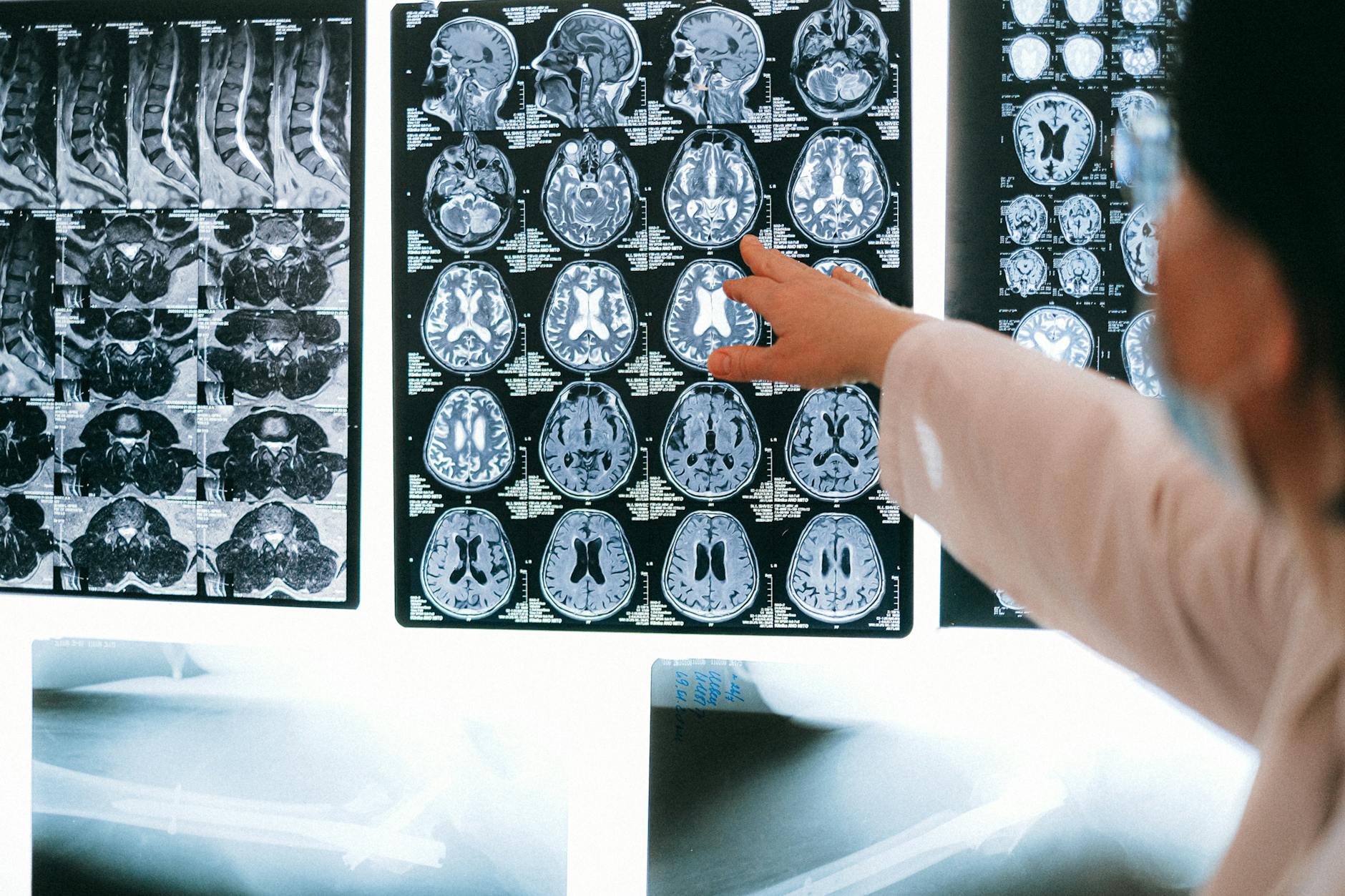
If this is you…
- •Struggling with persistent brain fog and mental fatigue?
- •Experiencing memory lapses and difficulty concentrating?
- •Feeling overwhelmed by anxiety or low mood impacting your daily life?
- •Worried about declining cognitive function as you age?
- •Seeking natural, non-invasive ways to support your brain after illness or stress?
- •Traditional treatments haven't fully addressed your cognitive slowdown?
Key Takeaways
- Red light therapy brain health can significantly improve cognitive function, reduce inflammation, and enhance mood.
- Targeted photobiomodulation stimulates mitochondrial activity, crucial for neuronal repair and energy production.
- Consistent application of specific wavelengths and protocols is key to achieving lasting improvements in brain performance and recovery.
Matt's take: Many people waste money on underpowered or improperly spec'd red light devices. For brain applications, you want specific wavelengths (660nm and 810nm are golden), sufficient power density to penetrate the skull, and a protocol that prioritises consistency over intensity. Think daily, even short, sessions rather than infrequent blasts. My personal experience, and what I share in my books, is that stacking red light with compounds like Methylene Blue can amplify the benefits significantly by creating a more receptive cellular environment.
Are you constantly battling brain fog, struggling to recall names, or finding it harder to focus as you once did? The quest for enhanced red light therapy brain health is gaining significant traction, and for good reason. Our modern lives, filled with stress, environmental toxins, and a lack of proper light exposure, often leave our brains depleted and underperforming. This isn't just about feeling a bit 'off'; it's about a fundamental decline in cognitive function that impacts every facet of our lives, from work performance to personal relationships. But what if there was a simple, non-invasive technology that could help reverse some of this decline and even protect your brain for the future?
Unpacking the Brain Fog: Why Our Minds Struggle
Modern life places incredible demands on our brains. Chronic stress, poor sleep, a diet lacking in vital nutrients, and exposure to environmental pollutants all contribute to systemic inflammation and oxidative stress, which are direct enemies of optimal brain function. Many also report that conditions like Long COVID and post-vaccine issues have exacerbated these cognitive challenges, leading to pervasive brain fog, memory issues, and profound fatigue. This isn't just about feeling tired; it's about neurons struggling to fire efficiently, mitochondria failing to produce enough energy, and neural pathways becoming sluggish. Understanding these underlying issues is the first step towards reclaiming your mental sharpness. The full 30-day method for comprehensive brain recovery, including how to integrate light therapies, is laid out in Matt's book, *The Waterman Protocols*.
The Science Behind Red Light Therapy Brain Health
At its core, red light therapy, or photobiomodulation (PBM), involves exposing the brain to specific wavelengths of red and near-infrared (NIR) light. These wavelengths, typically between 630nm and 850nm, are absorbed by chromophores in the mitochondria, particularly cytochrome c oxidase (CcO). When CcO absorbs this light, it leads to a cascade of beneficial cellular events. Think of it as giving your brain cells a potent, natural energy boost. This increased mitochondrial activity helps to:
- Boost ATP production: ATP is the energy currency of your cells. More ATP means more energy for neurons to communicate and perform their functions.
- Reduce inflammation: PBM has been shown to modulate inflammatory pathways, which is crucial for healing and protecting brain tissue.
- Enhance blood flow: Improved circulation delivers more oxygen and nutrients to the brain while carrying away waste products.
- Promote neurogenesis and neuroplasticity: Red light can stimulate the growth of new neurons and strengthen existing neural connections, aiding in learning and memory.
- Increase antioxidant activity: This helps combat oxidative stress, a key contributor to brain ageing and dysfunction.
These effects collectively explain why red light therapy is becoming such a vital tool for improving red light therapy brain health.
Establishing Your Red Light Therapy Brain Health Protocol
Implementing an effective red light therapy brain health protocol requires attention to detail. It's not just about shining a red light on your head; specific wavelengths, power output, session duration, and frequency are all critical. For cognitive enhancement, devices that deliver light directly to the scalp or through intranasal pathways are often recommended. Typical protocols might involve:
- Wavelengths: A combination of red (e.g., 660nm) and near-infrared (e.g., 810nm) is often ideal, as NIR penetrates deeper into brain tissue.
- Power Density: Ensure your device has sufficient irradiance (mW/cm²) to deliver therapeutic doses to the brain.
- Session Duration: Shorter, consistent sessions (e.g., 10-20 minutes daily or every other day) are often more effective than infrequent, long sessions.
- Placement: Consider devices that target the prefrontal cortex for focus, or full-head coverage for broader benefits.
- Consistency: Like any therapeutic intervention, regularity is key. Integrate it into your daily routine.
Pairing red light therapy with other natural protocols, such as those found in my guide to natural cancer support protocols, can create a powerful synergistic effect for overall cellular health. For those looking for a comprehensive overview of how to enhance cellular energy, my guide on Your Ultimate ATP Energy Guide offers further insights.
What Changes When You Prioritise Red Light Therapy Brain Health
People who consistently engage in targeted red light therapy brain health protocols often report remarkable improvements. The most commonly cited benefits include:
- Significant reduction in brain fog: Many experience a lifting of the mental 'haze', leading to clearer, sharper thinking.
- Enhanced cognitive function: This translates to improved memory recall, better problem-solving abilities, and increased mental stamina.
- Improved mood and emotional regulation: Red light therapy can positively influence neurotransmitters, helping to alleviate symptoms of anxiety and depression.
- Increased focus and attention span: The ability to concentrate for longer periods without distraction becomes easier.
- Better sleep quality: By influencing circadian rhythms and reducing stress, red light can contribute to more restorative sleep.
- Faster recovery from concussion or brain injury: The anti-inflammatory and neuroprotective effects aid in tissue repair.
These changes aren't merely anecdotal; a growing body of scientific literature supports the profound impact of PBM on brain performance and neurological recovery.
Who Benefits from Red Light Therapy Brain Health Protocols?
Red light therapy brain health is not just for those experiencing severe cognitive decline. Its benefits span a wide range of individuals:
- Students and professionals: Looking to boost focus, memory, and productivity.
- Athletes: Seeking to improve reaction time and recovery from head impacts.
- Individuals with age-related cognitive decline: To support neuroprotection and maintain mental acuity.
- Those navigating Long COVID or post-vaccine related brain fog: To help restore cellular energy and reduce inflammation.
- Anyone experiencing chronic stress, anxiety, or low mood: To balance brain chemistry and enhance emotional well-being.
- People recovering from concussion or traumatic brain injury (TBI): To accelerate healing and minimise long-term effects.
It's a powerful tool for anyone committed to optimising their brain for performance, resilience, and longevity.
How to Start Your Red Light Therapy Brain Health Journey Today
Embarking on your path to enhanced red light therapy brain health is simpler than you might think. Here’s a practical guide to get you started:
1. Research Devices: Look for reputable manufacturers offering devices with specific red (e.g., 660nm) and near-infrared (e.g., 810nm) wavelengths suitable for brain application. Check for power output and irradiance.
2. Understand Protocols: Begin with shorter sessions (5-10 minutes) and gradually increase as tolerated. Consistency is paramount, aiming for daily or every-other-day use.
3. Integrate with Lifestyle: Combine red light therapy with other brain-healthy practices such as a nutrient-dense diet, adequate sleep, regular exercise, and stress management techniques.
4. Listen to Your Body: Pay attention to how you feel. Some individuals might experience mild fatigue initially, which often passes as the body adapts.
5. Track Progress: Keep a journal of your cognitive function, mood, and sleep quality to observe improvements over time.
Remember, empowering your own health journey requires solid information and actionable steps. You'll find extensive protocols for integrating technologies like red light therapy into a holistic health plan within *The Waterman Protocols*.
Your Future of Clearer Thinking and Enhanced Well-being
The profound impact of red light therapy brain health is no longer a fringe concept but a scientifically backed approach to cognitive enhancement and neuroprotection. By understanding the cellular mechanisms at play and implementing a consistent, targeted protocol, you can significantly improve your brain's performance, resilience, and overall vitality. Don't let brain fog or mental fatigue hold you back any longer. Matt's work consistently aims to provide comprehensive, actionable strategies for natural health, covering everything from longevity principles to specific issues like Long COVID recovery. His book is an invaluable resource for anyone ready to take charge of their brain health and unlock their full cognitive potential.


What changes
- ✓Achieve clearer thinking and sharper focus.
- ✓Improve memory recall and learning capacity.
- ✓Elevate your mood and reduce feelings of anxiety.
- ✓Boost overall brain energy and vitality.
- ✓Support neuroprotection and long-term cognitive health.
- ✓Experience faster recovery from mental exertion.
Frequently asked questions
What specific wavelengths are best for red light therapy brain health?+
For optimal red light therapy brain health, look for devices that emit red light at around 660nm and near-infrared (NIR) light at about 810nm. These wavelengths have been shown to penetrate brain tissue effectively and stimulate mitochondrial activity for cognitive benefits.
How often should I use red light therapy for my brain?+
Consistency is key. Many protocols suggest daily or every-other-day sessions for 10-20 minutes. Starting with shorter durations and gradually increasing is a common approach to allow your brain to adapt and maximise the benefits.
Can red light therapy help with conditions like brain fog?+
Yes, red light therapy is increasingly recognised for its ability to combat brain fog. By enhancing ATP production, reducing inflammation, and improving blood flow in the brain, it can help clear mental fogginess and restore cognitive clarity.
Is red light therapy safe for brain use?+
When used correctly with appropriate devices, red light therapy is generally considered safe for brain applications. Always follow manufacturer guidelines for your specific device and consult a healthcare professional if you have any underlying neurological conditions.
What improvements can I expect from consistent red light therapy brain health protocols?+
With consistent application, you can expect improved focus and memory, reduced brain fog, enhanced mood, better sleep quality, and overall increased mental clarity and energy. Some users also report benefits in emotional regulation and cognitive resilience.
Get the full protocol in the book
Everything Matt learned — the natural protocols, the Iced Shake Method, the compounds and dosages.
Get the Book on Amazon →