Proven Parkinson’s Natural Support: Real Hope & Progress Today
Explore Matt Luca Waterman's extensively researched strategies for Parkinson’s natural support, focusing on neuroprotection and symptom management.

If this is you…
- •Experiencing tremors, rigidity, and balance issues that impact daily life.
- •Struggling with the emotional toll and frustration of a progressive neurodegenerative condition.
- •Concerned about the long-term side effects and limitations of conventional treatments.
- •Seeking alternative or complementary strategies to improve symptom management and quality of life.
- •Feeling overwhelmed by conflicting information on natural approaches to Parkinson's.
Key Takeaways
- Parkinson’s natural support focuses on mitigating neuroinflammation and oxidative stress to slow disease progression.
- Repurposed medications like Naltrexone and Methylene Blue, alongside targeted supplements, show promise in managing symptoms and improving quality of life.
- Dietary interventions and specific lifestyle changes are crucial co-factors for optimising brain health and neurological function.
What almost nobody tells you: While dopamine replacement therapy is the standard, focusing solely on it often misses the mark on neuroprotection. Methylene Blue, in particular, offers a unique mechanism by enhancing mitochondrial function and reducing alpha-synuclein aggregation, which many conventional treatments don't directly address. Starting with low doses and titrating up is key to avoid potential side effects and maximise its neuroprotective benefits.
Are you or a loved one grappling with the insidious grip of Parkinson's disease? The search for effective Parkinson’s natural support often feels like navigating a dense fog, with countless suggestions and little clarity. For years, the medical community has focused predominantly on managing symptoms through dopamine replacement, yet many people are still searching for ways to slow progression and improve their quality of life naturally.
Understanding the Parkinson's Landscape and Its Challenges
Parkinson's disease is a complex neurodegenerative disorder primarily characterised by the loss of dopamine-producing neurons in a specific area of the brain. This loss leads to the well-known motor symptoms like tremors, rigidity, bradykinesia (slow movement), and postural instability. However, non-motor symptoms such as fatigue, sleep disturbances, depression, and cognitive impairment are equally, if not more, debilitating for many individuals. The emotional and physical toll can be immense, leaving many feeling hopeless about their future. It's a condition that demands a multi-faceted approach, moving beyond just symptom management to address the underlying cellular dysfunction. In my book, *The Waterman Protocols*, I delve into comprehensive strategies for cellular health and neuroprotection, providing a foundational understanding for supporting conditions like Parkinson's.
Unpacking the Root Causes of Neurodegeneration
The exact cause of Parkinson's remains elusive, but research points to a combination of genetic predisposition, environmental factors, and cellular dysfunction. Chronic neuroinflammation, oxidative stress, mitochondrial dysfunction, and the accumulation of misfolded alpha-synuclein proteins are all key players in the pathology. This progressive damage ultimately leads to the death of vital brain cells. Addressing these root causes, rather than just the symptoms, is where natural and repurposed medicine protocols can offer significant hope. By interrupting these destructive cycles, we can aim to slow progression and even foster a degree of neurorepair.
The Natural Protocol for Parkinson’s Natural Support
When considering Parkinson’s natural support, the focus shifts to neuroprotection, inflammation reduction, and mitochondrial optimisation. This often involves a stack of targeted supplements and, in some cases, repurposed medications with neuroprotective properties. Key components often include:
- Methylene Blue: Known for its ability to enhance mitochondrial function and act as an electron donor, Methylene Blue can improve cellular energy production and may play a role in reducing alpha-synuclein aggregation. It's a powerful tool for brain health and detox.
- Coenzyme Q10 (CoQ10): A vital antioxidant and essential co-factor in the electron transport chain within mitochondria, CoQ10 can significantly reduce oxidative stress and support cellular energy.
- N-Acetyl Cysteine (NAC): A precursor to glutathione, the body's master antioxidant. NAC helps combat oxidative stress and supports detoxification pathways critical for brain health.
- Alpha-Lipoic Acid (ALA): Another potent antioxidant that works both in fat and water-soluble environments, ALA can help regenerate other antioxidants and improve mitochondrial function.
- Vitamin D3+K2: Essential for overall health, including neurological function. Vitamin D has anti-inflammatory properties, and K2 ensures proper calcium utilisation, which impacts nerve health.
- Sulforaphane: Found in cruciferous vegetables, sulforaphane is a powerful Nrf2 activator, boosting the body's natural antioxidant and detoxification enzymes.
- Honest Repurposed Medications: Low-dose Naltrexone (LDN) is often explored for its immunomodulatory and anti-inflammatory effects. Certain anthelmintics like Fenbendazole and Mebendazole are also gaining attention in research for their broader cellular effects, including potential anti-cancer and neuroprotective properties, though further research is ongoing in Parkinson's specificaly. These are areas I cover in more depth in my research on repurposed medicine protocols.
This is not an exhaustive list, and a personalised approach is always best, but these components form a solid foundation for neuroprotective strategies.
What Changes When You Embrace Parkinson’s Natural Support?
People who consistently adopt comprehensive Parkinson’s natural support protocols often report a range of positive changes. While a cure isn't promised, improvements in quality of life can be significant. Individuals might experience reduced tremor severity, improved balance and coordination, increased energy levels, and enhanced cognitive clarity. Many find that their mood lifts and their sleep patterns normalise. The goal is to slow the progression of the disease, protect existing neurological function, and improve symptom management, allowing for a more engaged and fulfilling life. This proactive stance provides a sense of empowerment and often translates into measurable improvements in daily living activities.
Who Can Benefit from Parkinson’s Natural Support?
Anyone grappling with a Parkinson's diagnosis can potentially benefit from exploring Parkinson’s natural support strategies. This includes those newly diagnosed who are looking to be proactive, as well as individuals further along in their journey seeking complementary approaches to their conventional treatments. It's particularly relevant for those who want to mitigate the long-term effects of the disease, improve their overall well-being, and explore avenues for neuroprotection that might not be fully addressed by standard care. These natural protocols are designed to work alongside, not replace, medical supervision.
How to Start Your Journey to Better Health Today
Starting with Parkinson's natural support involves a careful, methodical approach. Here's a structured way to begin:
1. Consult Knowledgeable Practitioners: Work with doctors who are open to integrative approaches and can help monitor your progress and adjust dosages safely.
2. Dietary Overhaul: Adopt an anti-inflammatory, nutrient-dense diet. Focus on whole foods, healthy fats, and plenty of colourful fruits and vegetables. Consider a ketogenic diet or intermittent fasting, which have shown neuroprotective benefits.
3. Targeted Supplementation: Begin with key neuroprotective supplements like CoQ10, NAC, ALA, and Vitamin D3+K2. If considering Methylene Blue or repurposed medications, research thoroughly and consult medical expertise.
4. Lifestyle Modifications: Prioritise regular exercise, especially activities that challenge balance and coordination. Ensure you're getting adequate, high-quality sleep. Manage stress through practices like meditation or yoga.
5. Track Progress: Keep a detailed journal of your symptoms, energy levels, and any changes you notice. This will help you and your healthcare provider assess the effectiveness of your chosen protocols.
Embracing these protocols means taking a proactive role in your health. Remember, the journey to managing Parkinson's is ongoing, and continuous learning and adaptation are key. Many readers have found the comprehensive protocols laid out in *The Waterman Protocols* to be an invaluable resource on their path to improved health and well-being, offering detailed guidance on optimising cellular function and supporting neurological health.
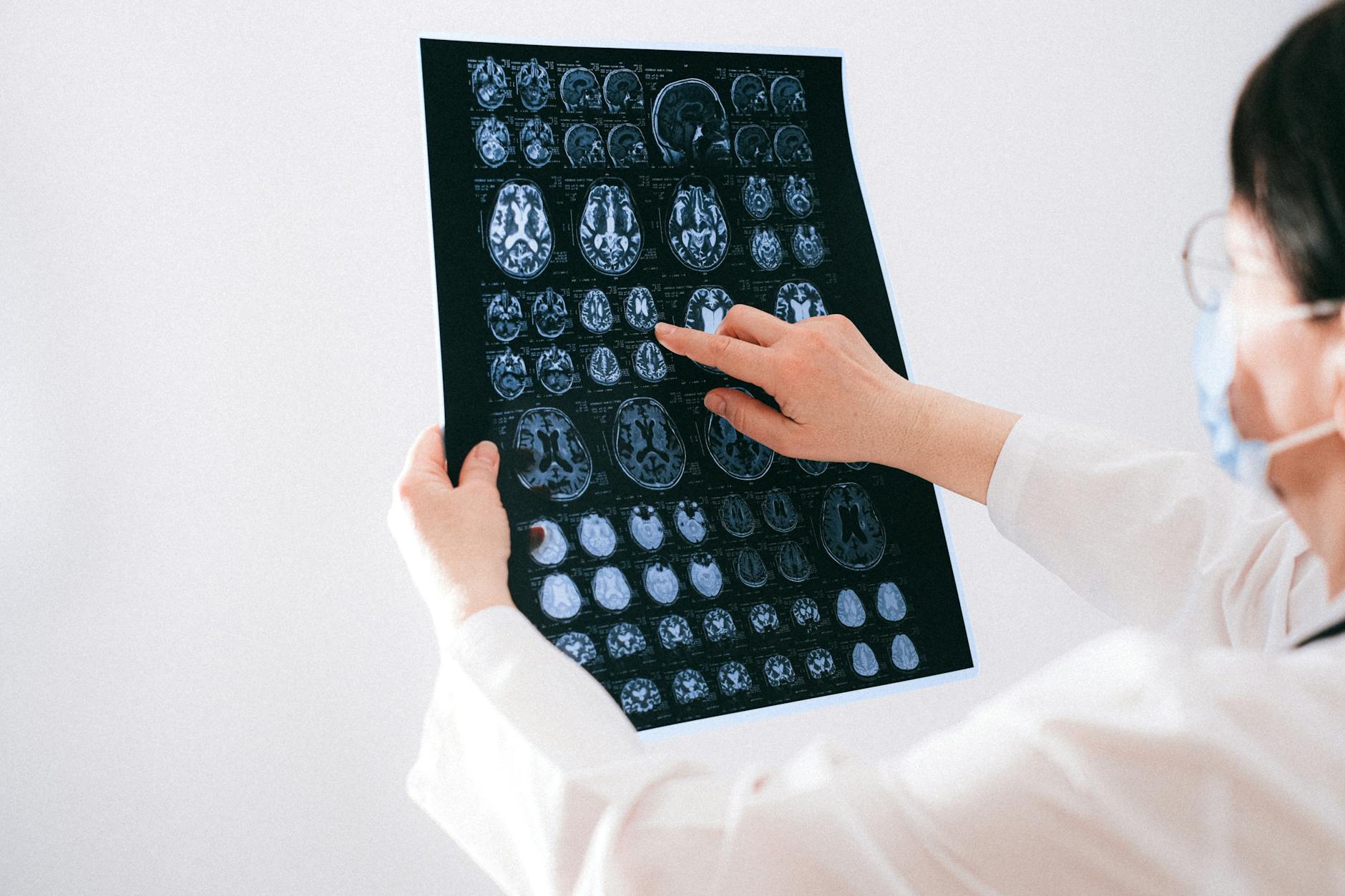


What changes
- ✓Potentially slowing the progression of Parkinson's symptoms.
- ✓Improving motor function and reducing tremor severity.
- ✓Boosting cognitive clarity and reducing brain fog.
- ✓Enhancing overall mood and reducing fatigue.
- ✓Providing a sense of control and empowerment over one's health journey.
Frequently asked questions
What is the primary goal of Parkinson’s natural support?+
The main goal is to protect existing neurons, reduce neuroinflammation and oxidative stress, and optimise mitochondrial function. This aims to slow disease progression, improve symptom management, and enhance overall quality of life for individuals living with Parkinson's disease, complementing conventional treatments.
Can natural protocols replace conventional Parkinson’s medication?+
No, natural protocols are generally intended to complement, not replace, conventional Parkinson's medications. They work synergistically to address underlying cellular dysfunctions that traditional dopamine replacement may not fully cover. Always consult your doctor before making any changes to your medication regimen.
Are there specific dietary changes recommended for Parkinson's natural support?+
Yes, an anti-inflammatory, nutrient-dense diet is highly recommended. This includes whole foods, healthy fats, and plenty of fruits and vegetables. Some people explore ketogenic diets or intermittent fasting due to their neuroprotective benefits, but individual dietary needs vary.
How does Methylene Blue help in Parkinson’s natural support?+
Methylene Blue is known to enhance mitochondrial function, acting as an electron donor in the electron transport chain, thereby boosting cellular energy. It also shows promise in reducing the aggregation of alpha-synuclein proteins, a hallmark of Parkinson's, and offers neuroprotective benefits against oxidative stress.
What lifestyle adjustments are important for Parkinson's management?+
Key lifestyle adjustments include regular physical activity, especially exercises focused on balance and coordination, ensuring high-quality sleep, and effective stress management techniques like meditation or mindfulness. These contribute significantly to neurological health and symptom management.
Get the full protocol in the book
Everything Matt learned — the natural protocols, the Iced Shake Method, the compounds and dosages.
Get the Book on Amazon →