Ivermectin Dosing for Lymphoma Support: Proven 2026 Guide
A clear, evidence-based walkthrough of ivermectin dosing for lymphoma support and how repurposed anthelmintics target malignant lymphoid cells.

Key Takeaways
- Understanding ivermectin dosing for lymphoma support requires calculating precise milligram-per-kilogram measurements based on peer-reviewed oncological repurposing research.
- Ivermectin targets malignant lymphoid cells through multiple verified pathways including importin alpha-beta inhibition, mitochondrial depolarization, and immunogenic cell death.
- Combining clinical repurposing protocols with nutritional cofactors such as bioavailable quercetin, zinc, and high-fat meal timing significantly increases therapeutic tissue saturation.
What almost nobody tells you: Ivermectin is exceptionally lipophilic, which means if you swallow it on an empty stomach with plain water, your body absorbs barely eight percent of the active molecule into lymphatic tissue. When researchers demonstrated profound apoptosis in lymphoma cell lines in studies evaluating PAK1 and importin blockade, they were working with cellular concentrations you will only achieve orally if you take your calculated dose alongside thirty grams of healthy dietary fat, such as cold-pressed olive oil, grass-fed butter, or full-fat coconut milk. Furthermore, lymphoma cells overexpress P-glycoprotein efflux pumps that actively spit ivermectin back out; pairing it with bioavailable quercetin or piperine inhibits those pumps and locks the compound inside the abnormal lymphocytes where it can actually depolarise the mitochondrial membrane.
Can ivermectin dosing for lymphoma support truly change the odds when standard care feels overwhelming? Receiving a lymphoma diagnosis, whether Hodgkin or non-Hodgkin, plunges you into a storm of medical jargon, aggressive schedules, and profound uncertainty. While conventional oncology focuses on systemic destruction of fast-dividing cells, it frequently leaves patients asking what they can actively do to alter their internal terrain. This guide explores the peer-reviewed biochemical mechanisms behind repurposed anthelmintics, the clinical arithmetic of therapeutic dosing, and the exact nutritional cofactors needed to maximise cellular uptake while safeguarding your liver and gut.
The Hidden Struggle of Lymphoma and Navigating Integrative Options
Facing a haematological malignancy is fundamentally different from managing a solid tumour. Lymphoma resides within the very fluid and vessels responsible for defending your body, making systemic support both critical and complex. Standard chemotherapeutic regimens such as CHOP or R-CHOP can be life-saving, yet they exact a heavy toll on bone marrow reserves, peripheral nerves, and cardiovascular tissue.
Many patients find themselves desperate for adjunctive measures that weaken aberrant lymphocytes without annihilating healthy immune function. Unfortunately, conventional oncologists often lack the time or training to review off-patent pharmaceutical research, leaving individuals to guess their way through confusing online forums. The book walks through the exact dosages and complementary schedules designed to eliminate this guesswork and provide an organised, clinical roadmap.
When evaluating any complementary therapy, clarity must replace blind hope. Repurposed antiparasitic agents like ivermectin represent some of the most compelling compounds in modern oncological research because their mechanisms of action do not rely on standard DNA-damaging pathways. By approaching your recovery through structured, measurable steps, you transform anxiety into purposeful daily action.
How Repurposed Anthelmintics Work Against Malignant Lymphocytes
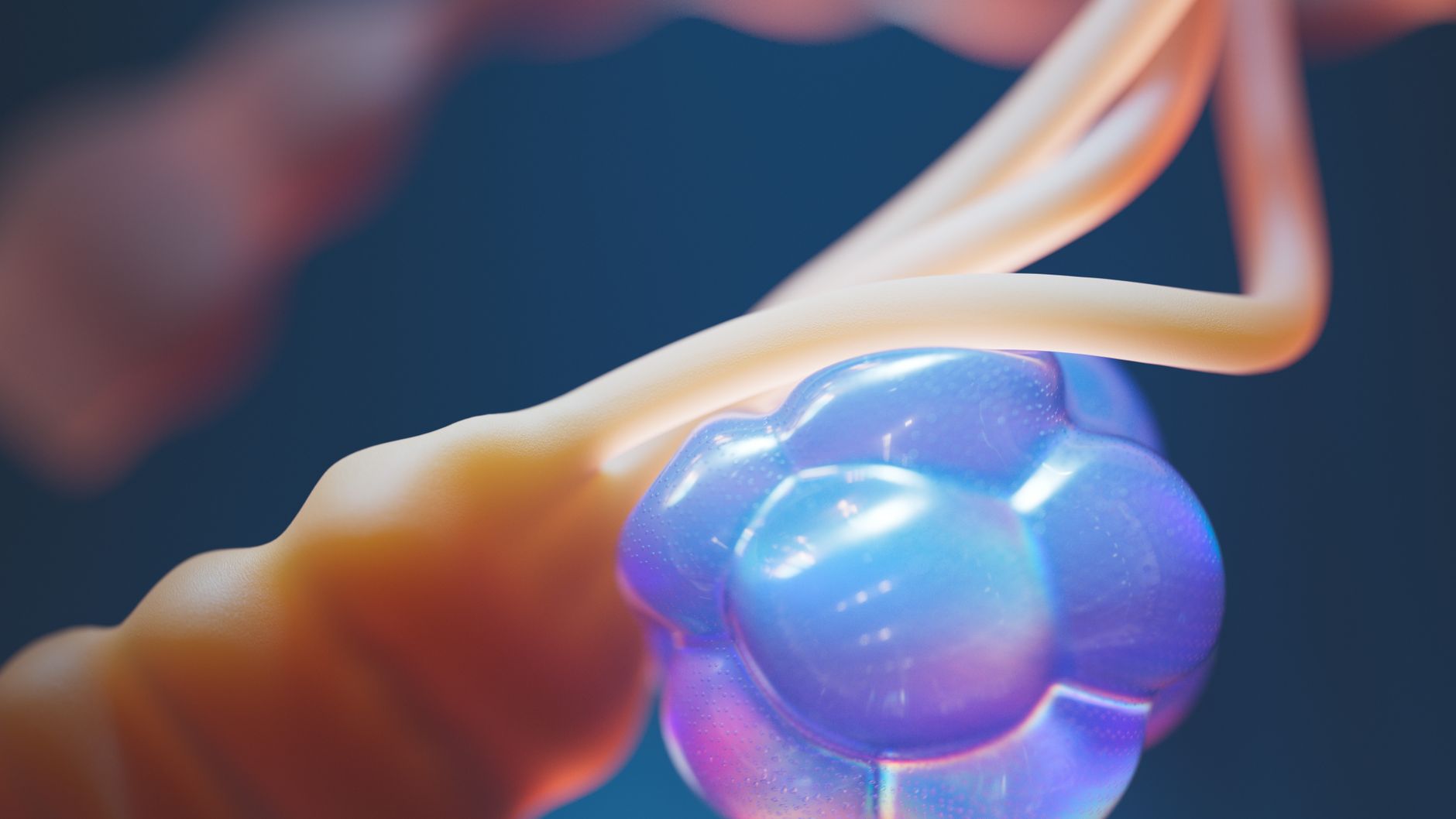
To understand why an antiparasitic drug commands attention in lymphoma support, you must look at how malignant white blood cells survive. Lymphoma cells rely on specialised molecular machinery to evade programmed cell death, bypass immune detection, and maintain rapid proliferation across the lymphatic network.
Ivermectin operates as a multi-targeted metabolic disruptor in abnormal lymphoid lines through four distinct mechanisms:
- Importin Alpha/Beta Inhibition: Malignant lymphocytes depend heavily on the importin alpha/beta superfamily of nuclear transport proteins to shuttle oncogenic signals into the cell nucleus. Ivermectin docks directly into the binding pocket of importin alpha, halting the nuclear entry of transcription factors that keep cancer cells alive.
- PAK1 Pathway Downregulation: P21-activated kinase 1 (PAK1) is an enzyme overexpressed in a wide spectrum of lymphomas, driving tumour growth, cell motility, and vascular endothelial growth factor production. Ivermectin suppresses PAK1 activation, starving the cells of growth signals.
- Mitochondrial Membrane Depolarisation: By opening mitochondrial chloride channels and inducing reactive oxygen species specifically within abnormal cells, ivermectin triggers intrinsic apoptosis without harming adjacent non-cancerous leukocytes.
- Immunogenic Cell Death (ICD): Unlike treatments that leave behind immunosuppressive debris, ivermectin-induced cell death prompts the release of high-mobility group box 1 (HMGB1) protein and calreticulin exposure, alerting your natural killer cells and cytotoxic T-cells to target remaining abnormal lymphocytes.
Because of these multifaceted pathways, exploring repurposed ivermectin cancer protocols reveals consistent biological synergy across different tissue environments. Rather than attacking a single genetic mutation, the compound systematically disables the survival scaffolding that malignant cells require.
The Evidence-Based Protocol for Ivermectin Dosing for Lymphoma Support
Calculating therapeutic intake is where many individuals make dangerous errors. The antiparasitic dose for river blindness or scabies (roughly 0.2 mg per kilogram taken once or twice) is entirely insufficient to achieve the sustained plasma and lymphatic concentrations required for oncological support. Conversely, arbitrary mega-dosing without organ monitoring invites toxicity.
In integrative oncology protocols, therapeutic ranges are tiered according to patient tolerance, stage of disease, and concurrent treatments. Before starting, you must calculate your exact lean body weight in kilograms (weight in pounds divided by 2.2).
Clinical Weight-Based Tiering
- Introductory Loading Phase (Days 1 to 5): Begin at 0.2 mg/kg taken once daily with breakfast to assess individual tolerance, gastric comfort, and liver clearance.
- Standard Therapeutic Tier (Weeks 2 to 8): Progress to 0.4 mg/kg to 0.6 mg/kg per day, divided into two daily doses taken with fat-containing meals. For a 70 kg individual, a 0.4 mg/kg dose equals 28 mg total daily, administered as 14 mg in the morning and 14 mg in the evening.
- Advanced Escalation Tier (Under Integrative Supervision): In aggressive presentations, practitioners frequently utilise up to 1.0 mg/kg per day in pulsatile cycles (such as five days on, two days off) to prevent metabolic habituation by tumour cells.
The Mandatory Lipid Absorption Rule
Ivermectin is classified as a Biopharmaceutics Classification System (BCS) Class II compound, characterised by high membrane permeability but notoriously low water solubility. Taking ivermectin with water on an empty stomach results in minimal systemic bioavailability, which suits intestinal parasite eradication but fails systemic oncology.
To achieve therapeutic concentration inside mesenteric, cervical, and axillary lymph nodes, every single dose must be consumed with a minimum of 20 to 30 grammes of healthy dietary lipids. Excellent carrier options include:
- Two tablespoons of organic, cold-pressed extra virgin olive oil
- Half an organic avocado mashed with lemon and sea salt
- One tablespoon of pure coconut oil or medium-chain triglyceride (MCT) oil blended into a warm broth
- Two pasture-raised egg yolks cooked gently in grass-fed butter
Critical Synergistic Cofactors
Ivermectin should rarely be taken in total isolation. Malignant lymphoid cells frequently upregulate ATP-binding cassette (ABC) transporters, specifically P-glycoprotein, to expel foreign compounds from their cytoplasm. You can shut down these efflux pumps and amplify therapeutic efficiency by stacking your dose with targeted botanical cofactors:
- Liposomal Quercetin (500 mg twice daily): Acts as a potent natural P-glycoprotein inhibitor, keeping ivermectin locked inside the malignant lymphocytes while exerting its own independent anti-inflammatory actions.
- Zinc Bisglycinate (30 mg to 50 mg daily with food): Ivermectin functions as an ionophore, facilitating intracellular zinc transport where elevated zinc ions trigger endonuclease cleavage of malignant DNA.
- Milk Thistle Seed Extract (Silymarin 250 mg twice daily): Provides crucial Phase I and Phase II cytochrome P450 support, protecting hepatocytes from enzymatic burden during sustained therapeutic cycles.
Many patients who study off-label anthelmintics also research parallel protocols such as fenbendazole dosing for lymphoma support to evaluate whether microtubule-disrupting benzimidazoles can be alternated with chloride-channel modulators for broader pressure on malignant clones.
What Changes in the Body with Ivermectin Dosing for Lymphoma Support
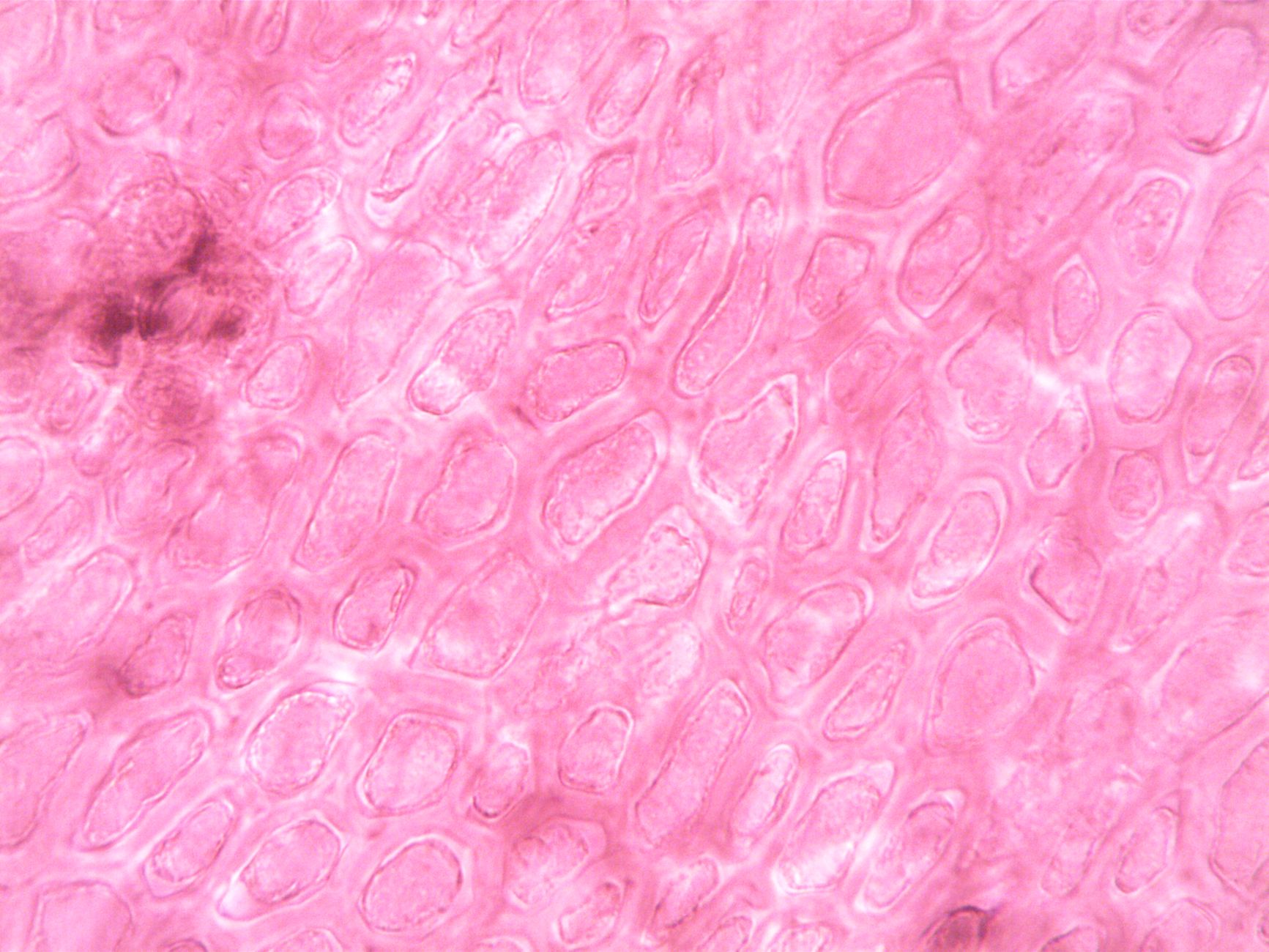
When you implement a structured protocol, your systemic biology begins responding at the microcellular level within days, though measurable lymphatic changes unfold over weeks and months. Understanding this timeline helps maintain patience and consistency during recovery.
During the initial fortnight, the primary shift involves metabolic inhibition of rapidly metabolising cells. Malignant lymphoid clusters consume glucose at pathological rates via aerobic glycolysis. As ivermectin downregulates glucose transporter expression and inhibits mitochondrial complex I activity, these cells experience energy depletion. Many patients report an initial reduction in inflammatory night sweats and systemic pruritus as the cytokine cascade driven by interleukin-6 and tumour necrosis factor-alpha begins to quieten.
By weeks four to eight, apoptotic clearance becomes the dominant event. As vulnerable cells break apart via immunogenic cell death, circulating phagocytes clear cellular remnants through the reticuloendothelial system. This is precisely when liver and kidney support must be running at full strength; if clearance organs become congested, you may experience temporary fatigue or mild flu-like symptoms, often mistaken for disease progression.
Between months two and four, objective markers on functional blood panels often reflect stabilising lymphocyte counts, normalising lactate dehydrogenase (LDH) levels, and decreasing erythrocyte sedimentation rates (ESR). In imaging evaluations, successful adjunctive responses typically present as decreased fluorodeoxyglucose (FDG) avidity, indicating that the remaining lymphoid tissue has significantly lowered its metabolic consumption.
Who Needs Ivermectin Dosing for Lymphoma Support as an Adjunct Protocol
This integrative methodology is not a universal prescription for every individual who feels run down, nor should it ever replace emergency haematological intervention. It is specifically tailored for determined individuals seeking rational, evidence-based adjuncts to their overall cancer strategy.
This targeted protocol is particularly relevant for:
- Active Chemotherapy Patients Seeking Sensitisation: Individuals currently undergoing standard regimens who want to reduce the likelihood of multi-drug resistance developing in residual lymphoid cells.
- Watch-and-Wait Indolent Lymphoma Patients: People diagnosed with slow-moving follicular or marginal zone lymphomas who have been told by standard oncology to simply do nothing until the disease worsens.
- Remission Maintenance Candidates: Individuals who have achieved complete metabolic response on scans but recognise that micro-metastatic cancer stem cells often escape standard clearance and require ongoing suppression.
- Refractory or Relapsed Cases: Patients whose disease has demonstrated resistance to first-line regimens and who are working alongside integrative oncology physicians to explore unconventional therapeutic levers.
Conversely, this protocol requires strict modification or avoidance in individuals with severe pre-existing hepatic cirrhosis, those taking potent CYP3A4 inhibitors (such as certain macrolide antibiotics or ketoconazole), or patients with end-stage renal failure who cannot efficiently filter metabolic waste.
How to Implement This Natural Adjunct Strategy Today

Embarking on an off-label repurposing strategy demands organisation, medical precision, and meticulous tracking. Do not rush into consuming high doses without laying the necessary biological groundwork.
- Establish Baseline Laboratory Bloods: Before taking your first dose, order a comprehensive metabolic panel including alanine aminotransferase (ALT), aspartate aminotransferase (AST), alkaline phosphatase, bilirubin, blood urea nitrogen, creatinine, full blood count, and baseline LDH. You cannot judge safety or progress without verifiable baseline numbers.
- Verify Pharmaceutical Sourcing and Composition: Use human-grade pharmaceutical tablets or verified pure pharmaceutical powder tested by third-party high-performance liquid chromatography (HPLC). Never ingest veterinary formulations containing unknown carrier waxes, binding agents, or alcohol bases intended for livestock.
- Prepare Your Liver and Gallbladder Pathway: For seven days prior to initiating the anthelmintic, introduce daily liver cofactors: silymarin, N-acetyl cysteine (NAC 600 mg twice daily), and plenty of bitter greens (rocket, dandelion root, watercress) to ensure free-flowing bile production.
- Calculate Your Exact Starting Dose: Take your body weight in kilograms, multiply by 0.2 mg for your introductory phase, and divide this across your morning fat-containing meal for the first five days. Record your temperature, resting heart rate, and digestive comfort in a daily log.
- Introduce P-Glycoprotein Blockers Gradually: On day six, step up to your target therapeutic dose (0.4 mg/kg to 0.6 mg/kg) split across morning and evening meals, adding 500 mg of liposomal quercetin fifteen minutes before each dose.
- Hydrate with Structured Mineral Electrolytes: Cellular debris from clearing lymphocytes must leave via renal filtration. Consume at least 2.5 litres of filtered water daily enriched with unrefined Celtic sea salt, potassium bicarbonate, and magnesium glycinate.
- Re-evaluate Liver Enzymes Every Four Weeks: Perform follow-up hepatic and renal panels precisely twenty-eight days after reaching your target dose. If liver transaminases rise more than twice your baseline level, halt the protocol for seven days and double your liver support nutrients before retesting.
Reclaiming Your Healing Journey with Confident Daily Decisions
A serious health diagnosis can strip you of your sense of agency, leaving you feeling like a passive spectator in your own medical care. Yet every meal you construct, every metabolic cofactor you administer, and every cell-protective strategy you implement puts you firmly back in the driving seat of your biological terrain.
Repurposed molecules like ivermectin demonstrate that we already possess powerful, affordable, and scientifically validated tools to challenge abnormal cellular growth. You can explore the complete daily schedule and supporting therapies inside The Waterman Protocols, which provides comprehensive schedules for integrating safe repurposed protocols alongside nutrition, gut rehabilitation, and emotional resilience.
Take this knowledge, discuss it intelligently with open-minded medical professionals, and build an unshakeable daily routine. Your body possesses an astonishing capacity for repair when given the exact biochemical signals it needs to clear diseased cells and rebuild vibrant, healthy tissue.
Frequently Asked Questions
What is the safest way to calculate ivermectin dosing for lymphoma support?
Take your weight in pounds and divide by 2.2 to find your weight in kilograms. Multiply that number by your target therapeutic tier, typically starting at 0.2 mg/kg for initial tolerance and progressing to 0.4 mg/kg to 0.6 mg/kg daily. Always split the resulting milligram total between two fat-containing meals rather than consuming the entire amount at once.
Why must ivermectin be taken with dietary fats during cancer support?
Ivermectin is highly lipophilic and has exceptionally poor water solubility. Consuming it with water on an empty stomach produces minimal blood plasma absorption, which works for gut parasites but fails systemic cancer management. Consuming thirty grammes of healthy lipids ensures optimal micellar absorption, allowing the active molecule to saturate deep lymphatic tissue.
Can ivermectin be used alongside conventional CHOP or R-CHOP chemotherapy?
Many clinical studies indicate that ivermectin acts as a chemosensitiser by disabling P-glycoprotein efflux pumps that cancer cells use to resist chemotherapy. However, you must coordinate with your oncologist because both ivermectin and certain chemotherapy agents metabolise through the hepatic cytochrome P450 3A4 pathway, requiring careful timing to avoid liver overload.
How often should liver enzymes be tested while on this protocol?
You should establish a comprehensive liver and kidney baseline before starting your first dose. Once you advance to therapeutic dosing (0.4 mg/kg or higher), retest your AST, ALT, alkaline phosphatase, and creatinine every four weeks. If enzymes rise significantly, pause the protocol and intensify silymarin and N-acetyl cysteine support.
Does ivermectin damage the healthy white blood cells in my immune system?
Peer-reviewed research shows ivermectin exhibits selective cytotoxicity toward malignant lymphoid cells while sparing healthy peripheral leukocytes. It triggers apoptosis through pathways that abnormal lymphocytes overexpress, such as PAK1 and importin alpha/beta transport. Normal leukocytes have balanced metabolic signalling and robust antioxidant defences, allowing them to remain intact during therapeutic dosing.
Frequently asked questions
What is the safest way to calculate ivermectin dosing for lymphoma support?+
Take your weight in pounds and divide by 2.2 to find your weight in kilograms. Multiply that number by your target therapeutic tier, typically starting at 0.2 mg/kg for initial tolerance and progressing to 0.4 mg/kg to 0.6 mg/kg daily. Always split the resulting milligram total between two fat-containing meals rather than consuming the entire amount at once.
Why must ivermectin be taken with dietary fats during cancer support?+
Ivermectin is highly lipophilic and has exceptionally poor water solubility. Consuming it with water on an empty stomach produces minimal blood plasma absorption, which works for gut parasites but fails systemic cancer management. Consuming thirty grammes of healthy lipids ensures optimal micellar absorption, allowing the active molecule to saturate deep lymphatic tissue.
Can ivermectin be used alongside conventional CHOP or R-CHOP chemotherapy?+
Many clinical studies indicate that ivermectin acts as a chemosensitiser by disabling P-glycoprotein efflux pumps that cancer cells use to resist chemotherapy. However, you must coordinate with your oncologist because both ivermectin and certain chemotherapy agents metabolise through the hepatic cytochrome P450 3A4 pathway, requiring careful timing to avoid liver overload.
How often should liver enzymes be tested while on this protocol?+
You should establish a comprehensive liver and kidney baseline before starting your first dose. Once you advance to therapeutic dosing (0.4 mg/kg or higher), retest your AST, ALT, alkaline phosphatase, and creatinine every four weeks. If enzymes rise significantly, pause the protocol and intensify silymarin and N-acetyl cysteine support.
Does ivermectin damage the healthy white blood cells in my immune system?+
Peer-reviewed research shows ivermectin exhibits selective cytotoxicity toward malignant lymphoid cells while sparing healthy peripheral leukocytes. It triggers apoptosis through pathways that abnormal lymphocytes overexpress, such as PAK1 and importin alpha/beta transport. Normal leukocytes have balanced metabolic signalling and robust antioxidant defences, allowing them to remain intact during therapeutic dosing.
Get the full protocol in the book
Everything in this article — plus the full step-by-step protocols, exact dosages and the Iced Shake Method — is inside The Waterman Protocols.
Get the Book on Amazon →