Nattokinase for Long COVID Headaches: 7 Proven Relief Steps
Discover how using nattokinase for long covid headaches targets stubborn fibrin microclots to relieve cranial pressure and restore daily clarity.

Key Takeaways
- Using nattokinase for long covid headaches directly breaks down persistent fibrin microclots that starve brain tissue of oxygen.
- Optimal therapeutic dosing begins at 2,000 to 4,000 fibrin units taken on a strictly empty stomach twice daily.
- Combining nattokinase with systemic anti-inflammatories accelerates vascular healing and resolves cranial pressure within weeks.
What almost nobody tells you: Most doctors treat post-viral cranial pain as typical tension or migraine, handing out triptans or painkillers that do nothing for vascular occlusion. When I was overcoming my own long COVID, the unrelenting skull pressure only shifted once I broke down the amyloid microclots trapping red cells in cerebral capillaries. Taking 4,000 FU of enteric-coated nattokinase at least an hour before food is the turning point, because if you take it with food, the enzyme digests your breakfast instead of your blood clots.
If you are battling head pain, using nattokinase for long covid headaches offers real relief. Millions of people find themselves trapped in a cycle of vice-like head pressure, brain fog, and pounding temples that standard painkillers fail to touch. This is not ordinary stress. It is a biological consequence of persistent spike proteins triggering systemic inflammation and microvascular clotting. You do not have to accept this chronic discomfort as your permanent reality. By understanding how this natural systemic enzyme works, you can dissolve the underlying clots, restore healthy microcirculation to your brain, and finally reclaim your life.
The Crushing Pain of Post-Viral Cranial Pressure
Post-viral head pain feels fundamentally different from any standard headache you have experienced before. Sufferers frequently describe it as a heavy lead weight pressing down on the crown, an inflamed band squeezing behind the eyes, or a rhythmic throbbing at the base of the skull. Traditional analgesics like paracetamol, ibuprofen, or prescription migraine tablets rarely make a dent. That lack of response leaves people frightened, exhausted, and dismissed by standard medical practitioners.
When standard medicine has no answers, patients often feel completely abandoned. You are told your blood work looks normal, your brain MRI is clear, and that your headaches must stem from anxiety or fatigue. Yet the physical agony remains relentless, making screen work, bright rooms, and everyday conversations feel like torture. The complete protocol lives in The Waterman Protocols, which reveals why these scans miss the microscopic reality occurring inside your cerebral blood vessels.
Standard imaging cannot detect microscopic blockages. The pain you experience is a direct distress flare from oxygen-deprived brain tissue. The brain relies on a vast, delicate web of tiny capillaries to deliver glucose and oxygen to every neuron. When those microvessels become choked by inflammatory debris, your cerebral tissue experiences localised hypoperfusion. The resulting head pressure is your vascular system screaming for oxygen, and until you remove the blockages, the pain continues.
Understanding Microclots and Cerebral Hypoxia
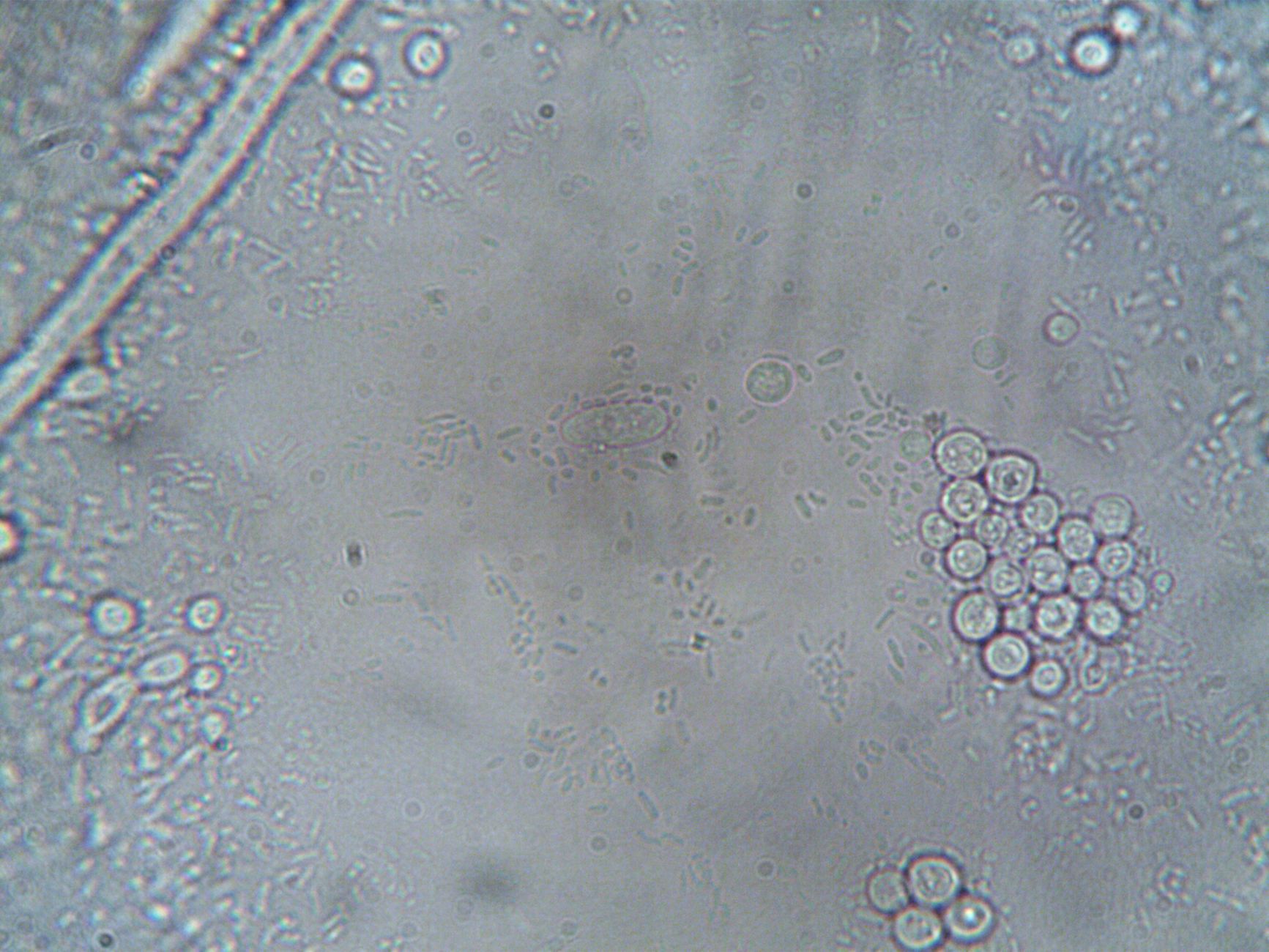
To understand why normal painkillers fail, you must understand the pathology of amyloid fibrin microclots. Research led by scientists like Professor Resia Pretorius in South Africa has demonstrated that the SARS-CoV-2 spike protein interacts directly with blood platelets and fibrinogen. Instead of breaking down naturally like normal blood clots, spike-induced clots form anomalous, amyloid structures that resist the body's natural enzymatic degradation.
These tiny, resilient microclots circulate through your bloodstream, eventually lodging in the smallest capillaries of your body. In the brain, these microvessels are so narrow that red blood cells must pass through them in single file. When an amyloid microclot lodges in a cerebral capillary, red blood cells pile up behind it. The downstream tissue immediately begins to starve of essential oxygen and vital nutrients, leading directly to chronic ischaemia.
Cerebral hypoxia triggers an immediate neuroinflammatory cascade. Surrounding microglia and astrocytes become activated, releasing pro-inflammatory cytokines such as interleukin-6 and tumour necrosis factor-alpha. This continuous local inflammation irritates the trigeminal nerve and sensitive cranial blood vessels, producing unrelenting head pain. Addressing this requires a targeted proteolytic enzyme capable of slicing through abnormal fibrin complexes without damaging healthy vascular walls.
Why Nattokinase for Long COVID Headaches Targets the Root Cause
Nattokinase is a potent, naturally occurring proteolytic enzyme extracted from natto, a traditional Japanese fermented soybean dish. Used in Japan for centuries to promote cardiovascular health, scientific interest exploded once researchers discovered its unmatched fibrinolytic properties. Unlike synthetic pharmaceutical blood thinners that merely inhibit the clotting cascade, nattokinase actively degrades and dissolves pre-existing fibrin networks.
Using nattokinase for long covid headaches works because the enzyme targets the structural backbone of the microclot. It acts directly upon cross-linked fibrin fibres, cleaving them into harmless degradation products that your liver and kidneys can safely filter out. Furthermore, nattokinase boosts the body's endogenous production of tissue plasminogen activator, multiplying your natural clot-clearing capacity.
Beyond direct fibrinolysis, nattokinase enhances endothelial function by stimulating the release of nitric oxide from blood vessel linings. This causes narrowed, inflamed cerebral vessels to relax and dilate, restoring normal pulsatile blood flow. As fresh, oxygenated blood floods back into previously choked cranial tissues, cellular energy production resumes, neuroinflammation subsides, and the persistent vice-like pressure begins to release. For complementary vascular relief, many individuals combine this with diosmin hesperidin for long COVID headache recovery to strengthen capillary walls.
The Exact Protocol for Nattokinase for Long COVID Headaches

Achieving lasting relief demands precise dosing, strict timing, and consistency. Nattokinase is measured in Fibrin Units, denoted as FU, rather than standard milligrammes. A typical dietary supplement dosage of 2,000 FU per day is sufficient for basic circulatory maintenance, but it is rarely enough to break through stubborn, post-viral amyloid microclots choking cranial capillaries.
- Phase 1 (Initial Tolerance, Days 1 to 5): Begin with 2,000 FU once daily taken immediately upon waking with a large glass of filtered water. This allows you to monitor your digestive tolerance and ensure you do not experience a sudden Herxheimer reaction from circulating viral debris.
- Phase 2 (Therapeutic Cleansing, Weeks 2 to 6): Increase your intake to 4,000 FU twice daily. Take your first dose 60 minutes before breakfast and your second dose either mid-afternoon or right before bed, at least two hours after your evening meal.
- Phase 3 (Intensive Dissolution, Weeks 7 to 12): If your head pressure remains persistent, elevate the dose to 6,000 FU twice daily, provided you have no bleeding disorders or contraindications. Maintain this level until symptoms consistently resolve.
- Phase 4 (Maintenance): Once your head pain has vanished for four consecutive weeks, step down to a maintenance dose of 2,000 to 4,000 FU once daily to protect against vascular inflammation.
The single most critical factor is consuming nattokinase on a completely empty stomach. If you take this enzyme alongside food, it acts as a digestive enzyme in the gut, breaking down dietary proteins instead of entering the bloodstream. You must take it at least 60 minutes before eating or two hours after a meal. Look specifically for enteric-coated or acid-resistant vegetable capsules to ensure the fragile enzyme survives harsh stomach acid intact.
Pairing nattokinase with complementary proteolytic enzymes dramatically accelerates recovery. Combining nattokinase with a proven bromelain dosage for long COVID microclots provides a powerful dual-action strike against spike debris. Bromelain directly cleaves the spike protein glycoprotein structure, while nattokinase dismantles the surrounding fibrin scaffolding.
What Changes When You Take Nattokinase for Long COVID Headaches Daily
When you consistently introduce therapeutic doses of nattokinase into your system, your recovery follows a distinct, predictable timeline. The transformation does not happen overnight, but the biological shifts begin during the first week. Understanding this progression keeps you grounded and patient throughout the healing journey.
During weeks one and two, many sufferers notice a subtle lightening of overall cranial heaviness. The constant, suffocating feeling behind the eyes begins to lift. You might experience brief moments of lightheadedness or mild flu-like sensations as trapped cellular waste and broken-down fibrin particles re-enter the bloodstream. This is a common cleansing sign, indicating that stagnant vascular beds are finally opening up.
Between weeks three and six, the true breakthrough usually unfolds. The sharp, throbbing spikes in pain diminish in both frequency and severity. Instead of waking every morning with immediate tension, you experience mornings of genuine mental clarity. Brain fog recedes hand-in-hand with the headaches, because the very same microvascular restoration feeding your pain pathways is also re-oxygenating your prefrontal cortex.
By weeks seven through twelve, most people experience prolonged, unbroken stretches of total head comfort. Physical exertion, cognitive focus, and exposure to screens no longer trigger immediate relapses. Blood vessels regain their normal autoregulatory tone, meaning changes in posture, stress, or temperature no longer provoke sudden cranial throbbing. Your nervous system finally drops out of chronic fight-or-flight mode as cerebral perfusion stabilises.
Who Benefits Most from Nattokinase for Long COVID Headaches

Not all headaches share the same physiological driver, but post-viral headaches have a distinct microvascular signature. Certain groups of long COVID sufferers experience particularly dramatic results when targeting fibrin microclots with systemic enzymes. Identifying your symptom profile helps you confirm whether this protocol matches your specific needs.
- Individuals with unrelenting pressure at the base of the skull or behind the eyes that does not respond to standard over-the-counter painkillers.
- Sufferers experiencing concurrent post-viral symptoms like brain fog, memory lapses, dizziness, and cold extremities, which indicate widespread peripheral microclots.
- Patients whose headaches worsen significantly after mental exertion or mild physical activity, indicating post-exertional cerebral hypoperfusion.
- People who developed chronic new daily persistent headaches following a SARS-CoV-2 infection or vaccination without prior history of migraines.
- Men and women over 40 whose natural fibrinolytic capacity has naturally declined with age, making them more vulnerable to persistent amyloid clotting.
If your head pain is accompanied by neck stiffness, photophobia, and a feeling that your brain is literally swollen inside your skull, microvascular clotting is almost certainly playing a central role. By clearing the microvascular sludge, nattokinase restores the baseline equilibrium your nervous system needs to quiet its pain signalling.
Potential Side Effects and Safety Considerations
While nattokinase is a natural food-derived enzyme with an extraordinary safety profile demonstrated across dozens of human trials, it remains a powerful biological agent. Respecting its potency ensures you achieve optimal results safely. It is vital to understand when to proceed cautiously and when to adjust your protocol.
Because nattokinase possesses potent fibrinolytic and antiplatelet effects, it must never be combined with prescription anticoagulant or antiplatelet drugs without professional medical supervision. Medications such as warfarin, rivaroxaban, apixaban, clopidogrel, or high-dose aspirin have compounding blood-thinning effects that can increase your risk of bruising or bleeding. If you are scheduled for any surgical or dental procedure, discontinue nattokinase at least two weeks beforehand.
Some individuals experience a temporary Herxheimer-like reaction during the first week of intensive enzymatic therapy. As microclots break down, trapped viral fragments, inflammatory cytokines, and cellular debris are dumped into circulation. This can temporarily cause mild fatigue, nausea, low-grade muscle aches, or a transient worsening of headache symptoms. You can easily manage this by ensuring adequate hydration, using gentle binders like activated charcoal or zeolite away from supplements, and temporarily reducing your dose before gradually building back up.
Always ensure that your supplement is sourced from a reputable, certified manufacturer and verified to be free of vitamin K2 if you are managing specific coagulation issues. Standard nattokinase products routinely remove vitamin K2 during extraction to prevent interference with natural clotting pathways. Checking the label for explicit FU testing guarantees you are receiving a viable, active enzyme.
How to Start Your Recovery Protocol Today
Taking back control of your health requires an orderly, systematic approach rather than throwing random supplements at your symptoms. Follow this step-by-step checklist to begin implementing nattokinase safely and effectively starting today.
- Source a high-purity, enteric-coated nattokinase supplement from non-GMO fermented soy that explicitly states at least 2,000 FU per capsule on the label.
- Set your alarm 60 minutes before your usual waking time. Keep your nattokinase capsules and a large glass of filtered water on your bedside table so you can take your morning dose without delay.
- Drink at least 500 millilitres of room-temperature water with your morning capsules. High hydration levels assist the breakdown products in moving efficiently through your kidneys.
- Maintain a strict fasting window for at least one full hour after swallowing your morning capsules. Do not consume tea, coffee with milk, or any solid food during this window.
- Take your second dose of 2,000 to 4,000 FU in the late afternoon, ensuring at least two hours have passed since your lunch, or take it immediately before turning out the lights at night.
- Pair your daily enzyme regimen with an anti-inflammatory diet low in processed seed oils, refined sugars, and histamine-rich foods to prevent ongoing vascular irritation.
- Keep a brief daily symptom journal tracking your headache intensity on a scale of 1 to 10. Documenting subtle changes helps you gauge progress and adjust dosage levels accurately.
Consistency is everything when dealing with microscopic vascular obstruction. Amyloid fibrin clots do not dissolve in a single afternoon; they are broken down layer by microscopic layer through continuous enzymatic exposure. Give the protocol at least four to six weeks of unbroken commitment before evaluating your results.
Reclaiming Your Life Free from Daily Head Pain
Living with chronic head pain is an isolating, exhausting battle that wears down your spirit, strains relationships, and steals your joy. It is completely reasonable to feel frustrated when doctors shrug their shoulders and suggest that you simply learn to live with the discomfort. But you do not have to settle for a diminished life shadowed by unrelenting cranial pressure.
The human body possesses an astounding capacity to regenerate and repair when given the precise biological tools it needs. Amyloid microclots are stubborn, but they are not invulnerable. Nattokinase provides the exact targeted enzymatic key needed to unlock choked capillaries, flood starved brain tissue with rich oxygen, and extinguish the neuroinflammatory fire causing your daily suffering.
Every day that you support your vascular system with targeted proteolytic enzymes brings your brain closer to full restoration. The complete roadmap for systemic recovery is detailed in Matt's book, offering a step-by-step blueprint to help you overcome fatigue, clear inflammation, and rebuild your vitality from the ground up. Take your first dose, stay the course, and look forward to the clear, pain-free days that lie ahead.
Frequently Asked Questions
How long does nattokinase take to relieve long COVID headaches?
Most sufferers notice an initial lightening of head pressure within seven to fourteen days of consistent dosing. Complete resolution of deep-seated post-viral headaches typically requires four to eight weeks of daily therapeutic enzyme intake. This gives the enzyme sufficient time to dismantle cross-linked fibrin networks and clear stagnant cerebral capillaries.
Can I take nattokinase alongside normal over-the-counter headache pills?
You can generally take paracetamol or modest doses of standard anti-inflammatories alongside nattokinase, but you must avoid combining it with aspirin or prescription blood thinners. Aspirin exhibits potent antiplatelet activity that compounds the vascular effects of nattokinase, significantly increasing your risk of bruising. Consult a qualified medical practitioner before combining protocols.
Why must nattokinase be taken strictly on an empty stomach?
Nattokinase must be taken on an empty stomach so it passes intact through your stomach lining and enters the bloodstream. If consumed with food, the enzyme is immediately utilised as a digestive aid to break down dietary proteins in the gut. Fasting for one hour afterwards guarantees full systemic absorption into your vascular circulation.
What should I do if nattokinase initially makes my headache worse?
A temporary flare in head pressure during the initial days often points to a mild Herxheimer reaction caused by clearing cellular debris. If this occurs, cut your dosage in half for three to five days, increase your filtered water intake, and gradually titrate back up. Supporting liver clearance helps process the released inflammatory fragments.
Is nattokinase safe to use for several months at a time?
Nattokinase has an exceptional long-term safety record established through decades of traditional dietary use and clinical trials. Many individuals safely take maintenance doses of 2,000 to 4,000 FU daily for six months to a year without adverse events. Routine monitoring of your overall health and periodic protocol breaks ensure optimal physiological balance.
Get the full protocol in the book
Everything in this article — plus the full step-by-step protocols, exact dosages and the Iced Shake Method — is inside The Waterman Protocols.
Get the Book on Amazon →