Ultimate Guide: Long-Haulers Brain Fog Recovery Diet
Unlock mental clarity and beat long-haulers brain fog with targeted nutritional strategies.

Key Takeaways:
- A targeted long-haulers brain fog recovery diet focuses on anti-inflammatory whole foods, healthy fats, and specific supplements to restore cognitive function.
- Eliminating inflammatory triggers like processed sugars and industrial seed oils is as crucial as incorporating nutrient-dense powerhouses.
- Consistency in dietary changes, combined with hydration and essential micronutrients, profoundly impacts the speed and efficacy of brain fog resolution.
Matt's take: While everyone talks about 'clean eating', the real game-changer for my own long COVID brain fog wasn't just avoiding junk; it was doubling down on choline-rich foods like egg yolks and beef liver. Most people miss how critical neurotransmitter precursors are, especially when your brain is struggling with inflammation and energy production. That's a specific, actionable step often overlooked.
Are you struggling with persistent brain fog after illness, finding it hard to concentrate, remember things, or even follow a simple conversation? This frustrating symptom, often dubbed 'long-haulers brain fog', leaves many feeling utterly lost and disconnected from their former selves. The good news is, your diet plays a monumental role in restoring mental clarity and fighting inflammation. This ultimate guide will walk you through the precise dietary adjustments and nutritional strategies to help you overcome long-haulers brain fog and reclaim your sharp, focused mind.
The Lingering Challenge of Long-Haulers Brain Fog
Long-haulers brain fog isn't just about feeling a bit tired; it's a profound cognitive impairment that can affect every aspect of daily life. Sufferers report issues with memory, attention, executive function, and word-finding difficulties. Imagine trying to work, study, or even socialise when your thoughts feel perpetually clouded and sluggish. This persistent state isn't a figment of your imagination; it's a real neurological challenge, often stemming from chronic inflammation and mitochondrial dysfunction. Many medical routes fail to offer specific nutritional advice, leaving people to flounder. Understanding the root causes, as I've laid out in detail inside Matt Luca Waterman's book, "The Waterman Protocols", is the first step towards building an effective long-haulers brain fog recovery diet.
Unpacking the Science Behind Brain Fog
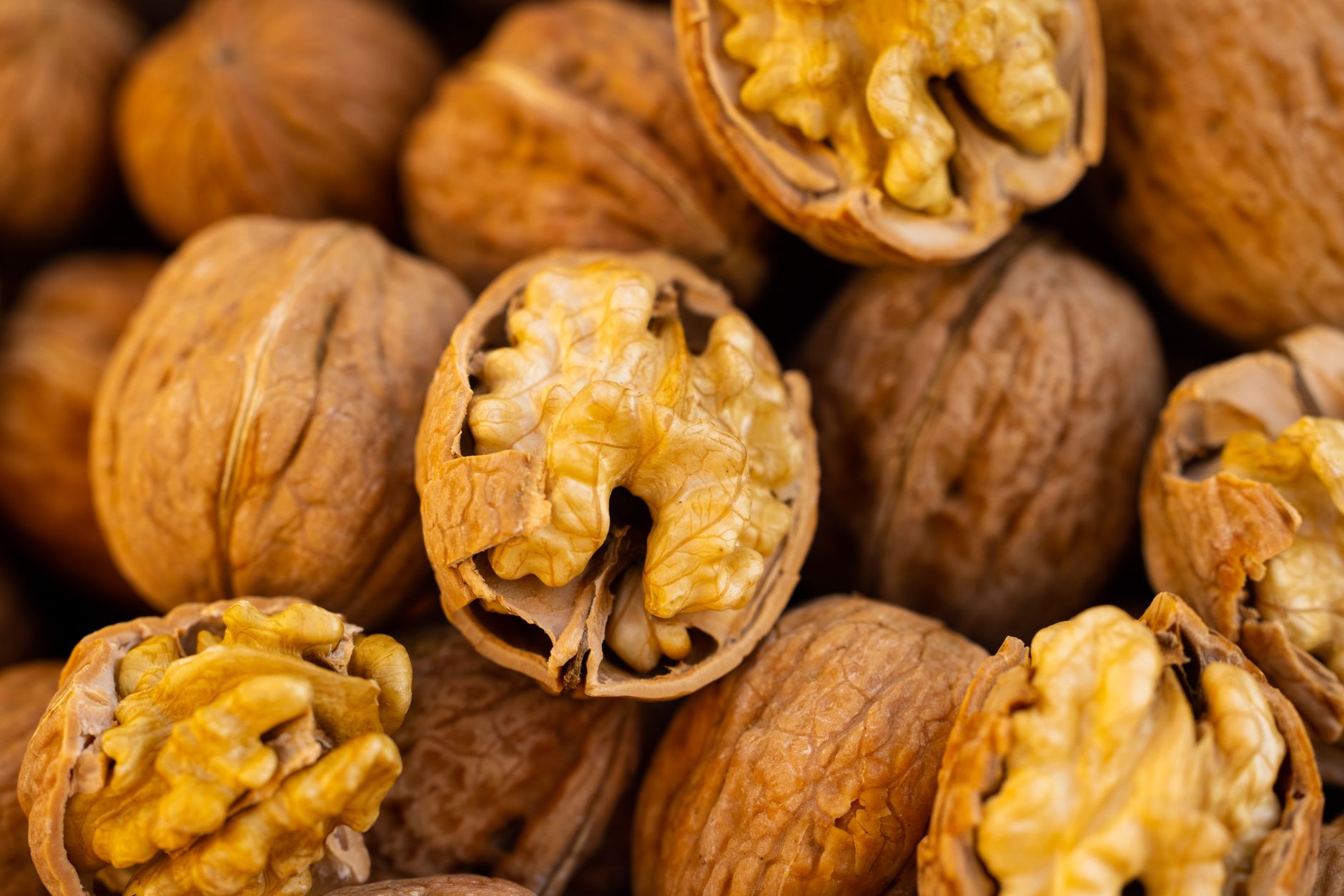
Brain fog isn't a diagnosis in itself but a symptom of underlying physiological imbalances. For long-haulers, this typically involves a triad of factors: chronic inflammation, oxidative stress, and mitochondrial dysfunction. Inflammation, often triggered by a lingering viral presence or an overactive immune response, can cross the blood-brain barrier and directly impact brain function. Oxidative stress, an imbalance between free radicals and antioxidants, damages brain cells and pathways. Mitochondria, the 'powerhouses' of our cells, become compromised, leading to a severe energy deficit in brain tissue. All these factors contribute to the characteristic mental fogginess. A comprehensive approach addresses these root causes, not just the symptoms.
Crafting Your Long-Haulers Brain Fog Recovery Diet
Your plate can be your most powerful ally in clearing brain fog. The goal is to reduce inflammation, protect brain cells from oxidative damage, and boost mitochondrial function. This means focusing on whole, unprocessed foods and specific nutrients known for their neuroprotective properties. Here's how to structure your ultimate long-haulers brain fog recovery diet:
- Eliminate Inflammatory Triggers: Start by removing foods that fuel inflammation. This includes processed sugars, refined carbohydrates (white bread, pasta), industrial seed oils (canola, soybean, corn oil), and highly processed foods. For some, dairy and gluten can also be inflammatory. Pay attention to how your body reacts after eating these.
- Embrace Healthy Fats: Your brain is nearly 60% fat, making healthy fats crucial. Incorporate wild-caught fatty fish (salmon, mackerel) rich in Omega-3s (EPA and DHA), which are potent anti-inflammatory agents. Avocados, olive oil, coconut oil, and ghee are excellent sources of beneficial fats that support brain health and provide stable energy.
- Focus on Antioxidant-Rich Produce: Berries (blueberries, raspberries), dark leafy greens (spinach, kale), and colourful vegetables (bell peppers, broccoli) are packed with antioxidants. These compounds neutralise free radicals, protecting your brain from oxidative damage and helping to clear long-haulers brain fog.
- Prioritise Quality Protein: Opt for grass-fed meats, pastured poultry, and organic eggs. Proteins provide essential amino acids, the building blocks for neurotransmitters, which are vital for mood, focus, and cognitive function. Eggs are particularly high in choline, a crucial nutrient for memory and brain development.
- Support Gut Health: A healthy gut often means a healthy brain. Include fermented foods like sauerkraut, kimchi, and kefir in your diet to boost beneficial gut bacteria. These probiotics can reduce inflammation and improve nutrient absorption. Specific fibres from vegetables also feed these beneficial bacteria.
What Changes When You Adhere to This Diet?

Committing to a long-haulers brain fog recovery diet isn't an overnight fix, but consistent effort yields remarkable results. Initially, you might notice subtle shifts in energy levels and reduced 'foggy' moments. Over weeks and months, these improvements become more pronounced. You can expect better recall, faster processing speed, and sustained attention. The chronic low-grade inflammation that contributes to brain fog begins to subside, allowing your brain cells to function more efficiently. Many individuals also report improved mood, better sleep, and increased overall vitality. It's a holistic shift that transforms more than just your cognitive function. Discover how other aspects of recovery, like supporting vision blur, can also be aided by natural pathways by reading about natural long COVID vision blur support strategies.
Who Is This Long-Haulers Brain Fog Recovery Diet For?
This specific long-haulers brain fog recovery diet is designed for anyone experiencing persistent cognitive issues post-infection, whether from COVID-19 or other viral illnesses. It's particularly beneficial for individuals who have tried conventional approaches without success or those looking for a natural, nutrition-focused path to healing. If you're tired of feeling mentally sluggish, struggling with daily tasks, and want to empower your body's natural healing mechanisms, this dietary strategy is for you. It's also suitable for those looking to improve general brain health and prevent cognitive decline, as the principles are universally beneficial for a healthy mind.
How to Start Your Recovery Diet Today
Beginning your long-haulers brain fog recovery diet doesn't have to be overwhelming. Take it one step at a time, focusing on sustainable changes. Here’s a simple roadmap to get you started:
- Clear Out the Culprits: Go through your pantry and remove all processed foods, sugary snacks, and industrial seed oils. Replace them with whole-food alternatives.
- Hydrate Smartly: Drink plenty of filtered water throughout the day. Add a pinch of sea salt for electrolytes. Dehydration exacerbates brain fog.
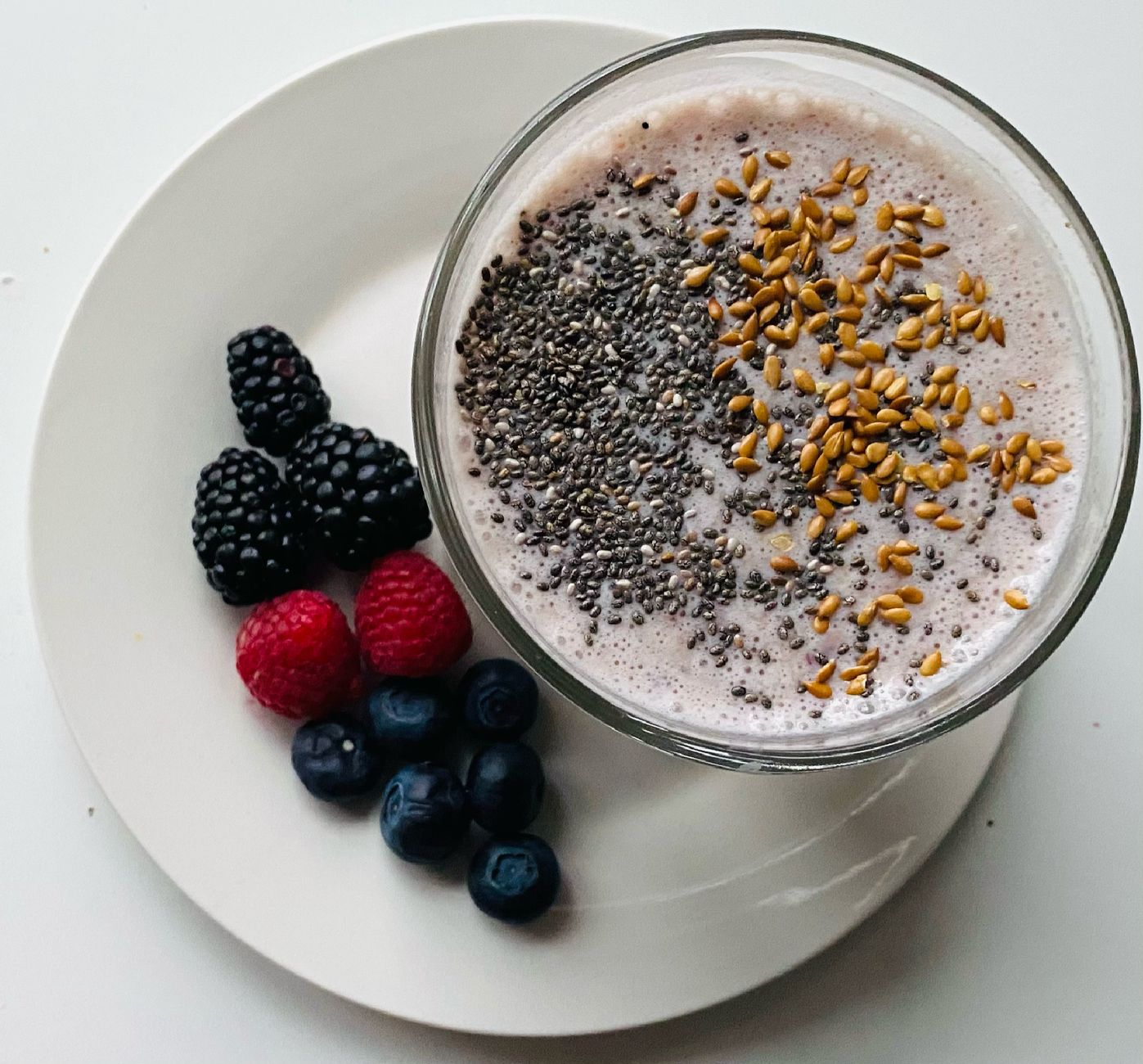
- Start with a Brain-Boosting Breakfast: Opt for a protein-rich breakfast like scrambled eggs with spinach and avocado, or a smoothie with berries, healthy fats, and a quality protein powder. You can even try an iced shake method for a supercharged start.
- Plan Your Meals: Prepare meals in advance to avoid reaching for unhealthy options. Focus on colourful vegetables, lean proteins, and healthy fats at every meal.
- Consider Key Supplements: Consult with a knowledgeable practitioner about supplements like Omega-3s, Vitamin D3+K2, magnesium, and a good B-complex, which can further support brain health.
- Track Your Progress: Keep a journal of your food intake and how you feel mentally. This helps identify any remaining dietary sensitivities and celebrates improvements.
Reclaiming Your Mental Sharpness
Overcoming long-haulers brain fog requires patience and a commitment to nurturing your body through nutrition. By adopting this comprehensive long-haulers brain fog recovery diet, you're not just alleviating symptoms; you're actively repairing and rebuilding your brain health from the inside out. Your efforts will translate into improved focus, enhanced memory, and a renewed sense of mental clarity. For a deeper dive into all the protocols for brain health and overall recovery, including specific timings and supplement stacks, the complete methodology is detailed in Matt Luca Waterman's essential guide, "The Waterman Protocols". It's an invaluable resource for anyone serious about restoring their health and vitality.
Frequently asked questions
What is long-haulers brain fog?+
Long-haulers brain fog refers to persistent cognitive difficulties like poor concentration, memory issues, and mental sluggishness experienced after an infection. It's often linked to ongoing inflammation, oxidative stress, and mitochondrial dysfunction in the brain, affecting daily tasks and overall quality of life.
Which foods should I avoid with brain fog?+
To reduce brain fog, it's crucial to eliminate inflammatory foods such as processed sugars, refined carbohydrates (white bread, pasta), industrial seed oils (canola, soybean), and highly processed items. For some, dairy and gluten can also trigger inflammation, so observing personal reactions is key.
What are the best foods for brain fog recovery?+
Focus on anti-inflammatory and antioxidant-rich foods. Include wild-caught fatty fish for Omega-3s, avocados, olive oil, and coconut oil for healthy fats. Berries, dark leafy greens, and colourful vegetables provide vital antioxidants. Quality proteins like grass-fed meat and organic eggs support neurotransmitter production.
How long does it take for diet to clear brain fog?+
The timeline varies for each individual, but consistent adherence to a brain fog recovery diet can show noticeable improvements within a few weeks to several months. Initial changes might be subtle, but sustained effort leads to significant and lasting restoration of mental clarity and cognitive function.
Can gut health impact long-haulers brain fog?+
Absolutely. There's a strong 'gut-brain axis' connection. An unhealthy gut can contribute to systemic inflammation, which then affects brain function. Incorporating fermented foods like sauerkraut and kimchi, along with plenty of fibre from vegetables, supports a healthy microbiome, reducing brain fog.
Get the full protocol in the book
Everything in this article — plus the full step-by-step protocols, exact dosages and the Iced Shake Method — is inside The Waterman Protocols.
Get the Book on Amazon →