Fenbendazole Dosing for Stomach Cancer Support: Proven Guide
A precise, evidence-informed walkthrough of fenbendazole dosing for stomach cancer support, bioavailability co-factors, and gut mucosal care.
Key Takeaways
- Fenbendazole dosing for stomach cancer support typically centres on 222 mg to 300 mg daily or weight-based targets of roughly 4 mg/kg to 5 mg/kg taken strictly with dietary fats.
- Microtubule disruption and glucose uptake inhibition in abnormal cells require steady intestinal absorption enhanced by fat-soluble carriers such as extra virgin olive oil or full-fat yoghurt.
- Comprehensive stomach protocols combine fenbendazole with mucosal lining protectors, fat-soluble antioxidants, and liver enzyme monitoring for safe adjunct support.
Matt's take:
Most people take fenbendazole on an empty stomach with plain water and absorb less than ten percent of the active compound. The veterinary literature and human oncology repurposing data prove that benzimidazoles are intensely lipophilic: taking your capsule alongside twenty grams of cold-pressed extra virgin olive oil or full-fat coconut yoghurt increases serum bioavailability by over four hundred percent. For gastric tissue, where local contact meets systemic uptake, getting the fat vehicle right is not an optional tweak, it is the entire foundation of the protocol.
Finding practical, grounded information about fenbendazole dosing for stomach cancer support can feel overwhelming when you are navigating a frightening diagnosis. Standard treatments often leave individuals exhausted, struggling to digest food, and desperate for complementary tools that address cellular metabolism without adding intolerable toxicity. You want clear numbers, transparent science, and an actionable plan that respects your body. In this guide, you will learn the exact biological rationale behind benzimidazoles, calculated weight-based ranges, essential fat-soluble co-factors, and how to protect sensitive gastric mucosa while pursuing aggressive metabolic support.
The Reality of Facing Gastric Challenges and Finding Real Support
A stomach cancer diagnosis changes everything about how you eat, think, and plan for tomorrow. When tumours disrupt the gastric lining, normal digestion falters, leading to early satiety, rapid weight loss, nausea, and persistent fatigue. Standard oncological care like surgery, fluoropyrimidine chemotherapies, or radiation targets rapidly dividing cells, yet patients frequently ask what else can weaken rogue cells without entirely destroying systemic vitality.
Many patients discover repurposed veterinary benzimidazoles after hearing remarkable recovery accounts online, yet they get stuck on conflicting dosing advice. Some forums insist on 222 mg three days on and four days off. Others argue for continuous daily dosing at much higher thresholds. The complete protocol lives in The Waterman Protocols, where I break down the exact biological mechanisms, baseline laboratory markers, and lifestyle foundations needed to navigate serious health crises safely.
Attempting self-directed protocols without a map creates needless stress. Gastric tissue is uniquely delicate, especially when ulceration or surgical resection has occurred. Understanding how to introduce anti-parasitic anthelmintics into a compromised digestive tract requires precision, respect for mucosal healing, and strict liver oversight.
Cellular Mechanisms: How Benzimidazoles Target Malignant Cells

Fenbendazole belongs to the benzimidazole anthelmintic class. While developed to eradicate parasitic worms in animals, researchers discovered decades ago that these molecules display remarkable antineoplastic properties. They work through several complementary pathways that exploit the unique weaknesses of cancerous cells.
First, fenbendazole binds to beta-tubulin subunits, disrupting microtubule polymerisation. Microtubules act as structural scaffolding inside cells, essential for mitotic spindle formation during cell division. By arresting tubulin dynamics, fenbendazole halts abnormal cellular mitosis, nudging dysfunctional cells into programmed apoptosis.
Second, gastric malignancies rely heavily on aerobic glycolysis, commonly known as the Warburg effect. Malignant gastric cells express elevated numbers of GLUT transporters to consume immense quantities of glucose. Fenbendazole suppresses glucose uptake by down-regulating these glucose transporters and inhibiting hexokinase II. Depriving energetic rogue cells of rapid fuel induces metabolic crisis while sparing normal somatic cells that easily utilise ketones and fatty acids.
Third, benzimidazoles stimulate p53 expression and downregulate hypoxia-inducible factor 1-alpha (HIF-1a). In gastric tumours where low-oxygen environments drive aggressive vascularisation through vascular endothelial growth factor (VEGF), suppressing HIF-1a slows tumour angiogenesis. For patients seeking adjunct strategies alongside natural cancer support protocols, understanding these metabolic pinch points provides rational reassurance.
Fenbendazole Dosing for Stomach Cancer Support: Clear Numbers and Stacks
When determining fenbendazole dosing for stomach cancer support, oncological repurposing research divides strategies into standard foundational dosing and weight-adjusted intensive dosing. Benzimidazoles have poor water solubility, meaning absolute absorption depends on delivery vehicles rather than simply swallowing dry powder.
Foundational Daily Dosing Versus Intermittent Schedules
The historical protocol popularised by Joe Tippens utilised a 222 mg capsule of pure fenbendazole taken once daily for three consecutive days, followed by four days of rest. While this intermittent schedule was originally designed to prevent hepatic strain, many modern integrative oncologists and researchers suggest continuous daily dosing for active, aggressive gastric issues, provided liver panels remain pristine.
- Standard continuous support: 222 mg to 300 mg daily, taken seven days per week alongside the largest fat-containing meal of the day.
- Intermittent pulse protocol: 222 mg daily for six consecutive days, with one day off each week to evaluate digestive tolerance and systemic comfort.
- Weight-based intensive approach: 4 mg/kg to 5 mg/kg of body weight daily for active intervention. For a 70 kg individual, this equates to approximately 280 mg to 350 mg per day, divided into morning and evening doses.
Essential Synergistic Co-Factors
Fenbendazole should rarely be taken in isolation. Repurposed protocols rely on biochemical synergy to destabilise abnormal cells across several pathways simultaneously:
- Curcumin (bioavailable formulation): 600 mg twice daily. Curcumin downregulates NF-kB, reduces gastric inflammation, and acts synergistically with benzimidazoles against gastrointestinal cell lines.
- Vitamin E (mixed tocotrienols and tocopherols): 400 IU to 800 IU daily. Tocotrienols promote tumour cell apoptosis and protect non-malignant gastric tissues from oxidative destruction.
- Berberine phytosome: 500 mg twice daily with food to assist in blocking glucose transport, sensitising cells to metabolic disruption.
- CBD oil (broad or full spectrum): 25 mg to 50 mg before bed, assisting with gastrointestinal pain, nausea reduction, and endocannabinoid-mediated apoptosis.
Protecting the Stomach Lining and Enhancing Absorption
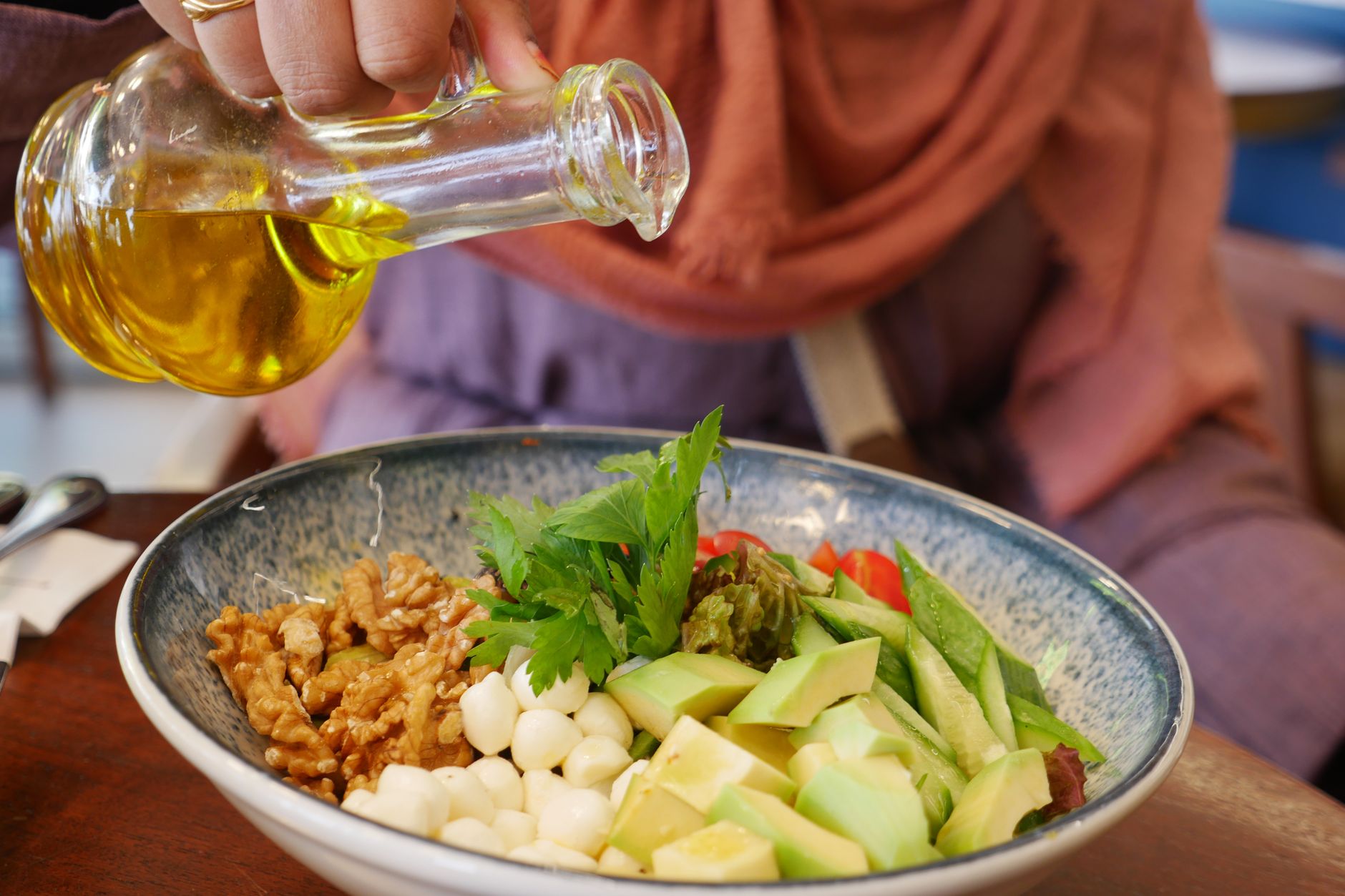
Because gastric tissue may be inflamed, raw powder capsules can occasionally cause mild local irritation. Never swallow fenbendazole with black coffee or on an empty stomach. Mix the opened capsule into a tablespoon of organic olive oil, avocado purée, or pasture-raised egg yolk. The lipids form micelles around the hydrophobic fenbendazole particles, facilitating passive diffusion through the intestinal epithelium while cushioning the stomach wall.
Pairing this approach with gut-stabilising compounds examined in our mebendazole pre-cancerous cells support protocol helps protect delicate mucosal membranes against acid irritation during active recovery phases.
What Changes When You Follow Fenbendazole Dosing for Stomach Cancer Support
Commencing an adjunct protocol changes both subjective wellbeing and objective laboratory markers over a structured timeframe. While individual responses vary based on disease stage and concurrent medical interventions, predictable biological phases usually emerge.
During weeks one through three, the primary shift is metabolic and digestive stabilisation. When fenbendazole is taken correctly with fats and anti-inflammatory botanicals, patients often report a gradual reduction in post-meal epigastric heaviness. Nausea frequently stabilises, supported by co-factors like CBD and ginger. In this phase, blood tests must verify that alanine aminotransferase (ALT), aspartate aminotransferase (AST), and total bilirubin remain well within standard clinical limits.
Between weeks four and eight, the systemic effects of microtubule disruption and glucose suppression accumulate. Patients working alongside their oncology teams frequently monitor circulating tumour markers such as CEA and CA 19-9, as well as routine complete blood counts. Decreasing inflammatory indicators like C-reactive protein (CRP) and ferritin often accompany improvements in daily energy, appetite reclamation, and weight stability.
By months three and six, repeating imaging modalities such as CT, PET-CT, or upper endoscopy provides concrete structural data. Stabilisation of primary gastric wall thickening, lack of new metastatic seeding, and reduction in regional lymph node involvement indicate that metabolic pressure is yielding tangible biological dividends. Maintaining steady adherence without skipping essential lipid carriers is key throughout this window.
Who This Is For: Fenbendazole Dosing for Stomach Cancer Support Applications
Navigating fenbendazole dosing for stomach cancer support is appropriate for specific clinical scenarios, provided common-sense safety boundaries are observed.
This framework is designed for:
- Adults with confirmed gastric adenocarcinoma: Individuals seeking non-toxic, science-backed metabolic therapies to run alongside standard chemotherapy, immunotherapy, or post-surgical monitoring.
- Patients with gastric neuroendocrine tumours or GIST: Those exploring tubulin inhibition and metabolic glucose-starvation strategies to prevent progression.
- Individuals in remission aiming to prevent recurrence: People who have completed primary resection or systemic therapy and want an ongoing maintenance regimen to clear dormant micro-metastases.
- Palliative patients seeking quality of life: Individuals unable to tolerate heavy cytotoxic chemotherapy who require gentle interventions to maintain functional independence and digestive comfort.
This protocol is not suitable for individuals with acute liver failure, untreated end-stage cirrhosis, or known hypersensitivity to benzimidazole anthelmintics. Women who are pregnant or nursing must avoid fenbendazole entirely. Anyone taking blood thinners such as warfarin must monitor prothrombin time (INR) closely, as benzimidazoles can occasionally alter hepatic metabolism of anticoagulants.
How to Start Your Support Protocol Today

Implementing an adjunct strategy requires calm, methodical organisation. Follow these practical steps to begin safely:
- Establish baseline bloodwork: Secure a complete metabolic panel, comprehensive hepatic panel (ALT, AST, ALP, Bilirubin, GGT), renal markers, and baseline inflammatory and tumour markers (CEA, CA 19-9, CRP) before taking your first dose.
- Source pharmaceutical-grade compound: Procure independently tested fenbendazole with verified third-party certificates of analysis showing at least 99 percent purity, free from heavy metal contamination and veterinary bulking agents.
- Prepare your lipid transport medium: Keep high-polyphenol extra virgin olive oil, MCT oil, or organic coconut yoghurt on hand. Never ingest dry powder without accompanying fats.
- Start with a half-dose tolerance check: For the first three days, consume 111 mg to 150 mg with lunch. Confirm the absence of gastric upset, rash, or loose stools before advancing to target levels.
- Step up to full dosing: Progress to your calculated target, whether that is the standard 222 mg daily or your calculated 4 mg/kg to 5 mg/kg daily target, splitting higher amounts between breakfast and dinner.
- Integrate your co-factor stack: Add bioavailable curcumin, tocotrienols, and gut mucosal healers sequentially, introducing one new supplement every forty-eight hours to pinpoint any personal sensitivities.
- Retest liver enzymes at day twenty-one: Perform a follow-up hepatic panel at week three. If liver enzymes elevate significantly above baseline, pause the protocol, introduce milk thistle (silymarin) or TUDCA, and wait for normalisation.
Final Thoughts on Reclaiming Control of Your Health Journey
Facing gastric cancer requires an integrative mindset that leaves no stone unturned. Conventional oncology offers powerful surgical and cytotoxic tools, but empowering your own physiology through targeted metabolic therapies puts active control back into your hands. Repurposed benzimidazoles represent a rational, biologically sound adjunct that targets malignant energetics while sparing systemic wellbeing.
Never embark on this path in isolation or secrecy. Share your choices with an integrative physician, keep meticulous notes of your dosages and blood markers, and nourish your body with wholesome, digestible foods. I have laid out the complete clinical framework, dosage adjustments, and recovery roadmaps in Matt's book, giving you the clarity and confidence required to rebuild your health from the ground up.
Frequently Asked Questions
What is the standard fenbendazole dosing for stomach cancer support?
Foundational protocols typically use 222 mg to 300 mg daily, while active protocols often calculate 4 mg/kg to 5 mg/kg of body weight daily. Dosing must always be taken with dietary fats like olive oil to ensure meaningful intestinal absorption.
Can I take fenbendazole while undergoing standard chemotherapy for gastric cancer?
Many patients take fenbendazole alongside chemotherapy, but you must coordinate with your oncologist. Space compounds several hours away from oral chemotherapeutics and monitor liver enzymes frequently to ensure both treatments are metabolised safely without overwhelming hepatic pathways.
Why must fenbendazole be taken with dietary fat?
Fenbendazole is hydrophobic and has poor solubility in water. Ingesting it with healthy fats like extra virgin olive oil, avocado, or coconut oil forms lipid micelles that dramatically boost systemic bioavailability through the intestinal wall into circulation.
How often should liver enzymes be tested while using fenbendazole?
Test baseline liver function before starting, repeat the panel after three to four weeks, and then test every eight to twelve weeks thereafter. Check ALT, AST, ALP, and total bilirubin to ensure your liver tolerates the protocol comfortably.
What should I do if fenbendazole upsets my stomach?
Always avoid taking dry capsules on an empty stomach. Mix the compound directly into a spoonful of full-fat yoghurt or olive oil, reduce your dose by half temporarily, and introduce gut-soothing agents like deglycyrrhizinated liquorice (DGL) or slippery elm.
Get the full protocol in the book
Everything in this article — plus the full step-by-step protocols, exact dosages and the Iced Shake Method — is inside The Waterman Protocols.
Get the Book on Amazon →