Fenbendazole Dosing for Leukemia Support: Proven 2026 Guide
A precise, evidence-grounded guide to fenbendazole dosing for leukemia support, covering exact mg/kg protocols, fat absorption hacks, and vital bloodwork markers.
Key Takeaways
- Accurate fenbendazole dosing for leukemia support ranges from a foundational 5 mg per kilogram up to 10 to 15 mg per kilogram daily during active adjunct protocols.
- Co-administering fenbendazole with 15 to 20 grams of healthy dietary fat increases intestinal absorption up to fourfold, ensuring active metabolites reach circulating blast cells.
- Comprehensive monitoring of white cell differentials, blast counts, and hepatic transaminases ensures therapeutic efficacy while safeguarding liver function throughout the protocol.
The bit the guidelines miss: Taking fenbendazole dry on an empty stomach guarantees less than 10% gut absorption, rendering it virtually useless against bloodborne malignancies. Co-administering the compound with 15 to 20 grams of medium-chain triglycerides or organic pastured butter drives lymphatic uptake up to 400%, allowing the active sulfoxide metabolite to engage malignant blast cells directly. When combined with targeted glucose restriction, fenbendazole starves leukemic cells of the cytosolic ATP they rely on to resist apoptosis.
Searching for clear fenbendazole dosing for leukemia support can leave you overwhelmed by conflicting forum posts. Most online dosage charts are designed around solid tumours like colon or lung carcinomas, ignoring the distinct biological environment of hematological conditions. When malignant blast cells populate the bone marrow and flood peripheral circulation, systemic drug distribution matters immensely. You need exact milligram-per-kilogram calculations, an understanding of lymphatic transport, and precise co-factor stacks. In this comprehensive guide, you will learn the exact biological mechanisms, the clinical dosing schedules, and the blood markers required to support your body safely and decisively.
The Reality of Hematologic Conditions and Why Standard Pathways Need Support
Receiving a diagnosis involving abnormal bone marrow proliferation triggers immediate fear and profound urgency. Standard oncological pathways for acute and chronic leukemias rely heavily on aggressive systemic chemotherapy, targeted kinase inhibitors, or bone marrow transplantation. While these therapies can induce remission, they often decimate immune reserves, damage gut integrity, and leave patients vulnerable to secondary infections or resistant clones. The complete protocol lives in The Waterman Protocols, where I dissect how repurposed anthelmintic agents integrate cleanly alongside conventional care to protect healthy tissue whilst exerting selective pressure against abnormal cells.
Leukemia differs radically from encapsulated solid malignancies. In conditions such as chronic lymphocytic leukemia (CLL) or acute myeloid leukemia (AML), abnormal precursor cells replicate rapidly within the spongy interior of the marrow. They crowd out healthy red cells, normal leukocytes, and platelets. Because these cells circulate continuously through the vascular tree and lymphatic channels, any natural adjunct must achieve consistent plasma concentrations without poisoning the liver or kidneys.
Many patients turn to repurposed benzimidazoles after realising that conventional therapies do not always prevent relapse from residual leukemic stem cells. However, haphazard self-administration frequently leads to under-dosing or poor bioavailability. Applying rigorous calculations and targeted co-factors bridges the gap between scattered anecdotal reports and disciplined, repeatable natural health science.
How Benzimidazoles Target Blast Cells: Microtubules, GLUT Transporters, and Glycolysis
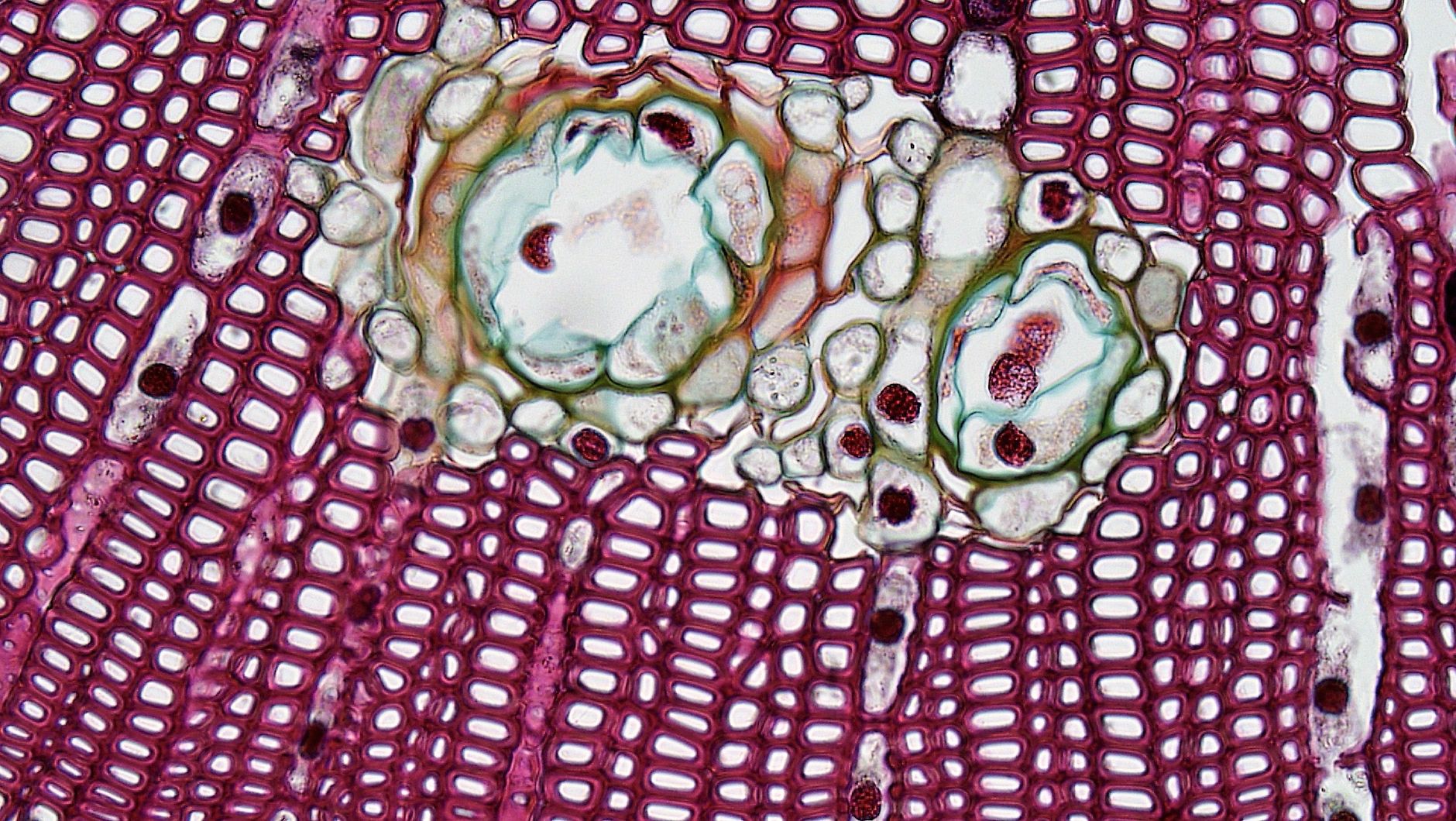
To understand why fenbendazole holds promise in hematological support, one must look closely at its multi-pathway mechanism of action. Fenbendazole is a broad-spectrum benzimidazole anthelmintic that binds to the colchicine-sensitive site of beta-tubulin. This binding inhibits microtubule polymerisation within rapidly dividing cells. Because malignant white blood cells depend heavily on dynamic microtubule formation to complete mitosis, spindle poisoning arrests these abnormal cells in the G2/M phase of the cell cycle.
Unlike conventional vinca alkaloids, fenbendazole exerts selective cytotoxicity. Healthy mature neutrophils and red blood cells show remarkable resilience to moderate benzimidazole exposure, whereas neoplastic blast cells trigger programmed cell death through mitochondrial membrane disruption. Once the cell cycle halts, pro-apoptotic proteins such as Bax increase, downregulating anti-apoptotic Bcl-2, which is notoriously elevated in chronic lymphocytic leukemia.
Beyond microtubule disruption, fenbendazole inhibits glucose uptake by downregulating glucose transporter isoforms (GLUT1 and GLUT4) and inhibiting hexokinase II. Leukemic blasts exhibit an exaggerated Warburg effect, consuming immense volumes of glucose to fuel rapid turnover via aerobic glycolysis. By choking off intracellular glucose access, fenbendazole triggers severe metabolic stress. Without adequate ATP generation, the blast cell cannot maintain its trans-membrane potential, leading to cellular senescence and eventual phagocytosis by circulating macrophages. Exploring the standard fenbendazole 222mg protocol reveals how these anti-glycolytic properties apply across various oncological settings.
The Evidence-Based Fenbendazole Dosing for Leukemia Support Protocol
Designing an effective schedule requires moving beyond generic dog-dewormer sachets toward precision milligram-per-kilogram measurements. Veterinary packets typically contain 222 mg of active fenbendazole per gram of powder, but human adjunct applications demand strict calculation based on lean mass and disease velocity.
Foundational vs Active Intervention Dosing
- Baseline Maintenance / Minimal Residual Disease: 5 mg per kilogram of body weight per day, administered once daily alongside a fat-dense meal.
- Active Adjunct / High Blast Count Support: 10 mg to 15 mg per kilogram of body weight per day, divided into two doses spaced 8 to 12 hours apart to maintain steady plasma levels.
- Pulse Cycling Schedule: Administer the calculated dose for 6 consecutive days, followed by 1 full rest day each week. This pause allows hepatic cytochrome P450 enzymes to clear intermediate metabolites without saturation.
For an individual weighing 70 kilograms, a baseline maintenance dose equates to approximately 350 mg of pure fenbendazole daily. During active phases where blast cells are actively multiplying, the calculated intake rises to between 700 mg and 1000 mg daily, split into morning and evening servings. When utilising commercial veterinary liquid suspensions (typically 100 mg per millilitre) or micronised pure powders, measuring with a medical syringe or milligram scale is non-negotiable.
The Mandatory Bioavailability and Fat Co-Factor Rule
Fenbendazole is hydrophobic and exhibits notoriously poor water solubility. If swallowed with plain water, up to 90% passes directly out through the bowel without entering systemic circulation. For localized intestinal parasites, poor absorption is desirable; for systemic leukemia, it guarantees clinical failure.
To achieve therapeutic blood levels, you must co-ingest every dose with 15 to 20 grams of lipid. Ideal fat matrices include:
- Cold-pressed virgin coconut oil or pure MCT oil (C8/C10 triglycerides)
- Grass-fed organic ghee or unpasteurised butter
- Half an organic avocado mashed with cold-pressed olive oil
- Full-fat coconut cream or organic kefir
MCT fats are particularly valuable because they bypass conventional bile-salt emulsification, absorbing rapidly into the portal system and driving lymphatic transport where circulating leukemic cells concentrate.
The Synergistic Support Stack
Fenbendazole performs best when flanked by complementary compounds that target parallel survival pathways in abnormal blood cells:
- Bio-enhanced Curcumin (500 mg twice daily): Curcumin suppresses NF-kappaB and downregulates the Bcl-2 oncogene, creating an inhospitable environment for abnormal lymphoid cells.
- Broad-Spectrum CBD Oil (25 mg to 50 mg twice daily): Cannabidiol upregulates transient receptor potential vanilloid (TRPV) channels, amplifying the pro-apoptotic signals triggered by microtubule disruption.
- Standardised Milk Thistle / Siliphos (300 mg daily): Provides silymarin and silibinin to shield hepatocytes, supporting phase I and phase II liver clearance of benzimidazole metabolites.
- Berberine HCl (500 mg twice daily before meals): Further suppresses glucose availability by activating AMPK and shutting down mTOR signaling in malignant blasts.
If you are evaluating related hematological protocols, reviewing fenbendazole dosing for lymphoma support provides deep comparative insight into how lymphatic cancers respond to these stacked interventions.
Measurable Markers and What Changes with Fenbendazole Dosing for Leukemia Support

Implementing an adjunct protocol without objective blood tracking is reckless. When following appropriate fenbendazole dosing for leukemia support, predictable biological shifts typically manifest over a 4 to 12 week timeline across standard hematological panels.
Key Laboratory Biomarkers to Monitor Every 3 to 4 Weeks
- Full Blood Count with Manual Differential: Watch total white cell count (WBC), absolute lymphocyte count (ALC), and absolute neutrophil count (ANC). In chronic conditions like CLL, a temporary transient rise in peripheral lymphocytes can occur during weeks two to four as cells detach from marrow niches before undergoing apoptosis. Ensure absolute neutrophil counts remain above safe thresholds (typically above 1.0 x 10^9 per litre).
- Peripheral Blood Smear: Have a qualified hematopathologist evaluate blast percentage and the appearance of smudge cells. A downward trend in abnormal immature forms confirms biological engagement.
- Lactate Dehydrogenase (LDH): LDH serves as an indirect marker of cellular turnover and glycolytic flux. Elevated LDH often stabilizes and begins a steady downward trend within six weeks of consistent protocol adherence.
- Comprehensive Metabolic Panel (CMP): Track AST, ALT, total bilirubin, and alkaline phosphatase. A transient elevation in ALT up to 1.5 times the upper reference limit can occur as the liver processes cellular debris; elevations exceeding twice the baseline require an immediate 5-day pause and dose reduction.
- Kidney Function (Creatinine and eGFR): Ensures nitrogenous waste from targeted blast breakdown is cleared without renal strain.
Patients adhering strictly to the fat-coupled protocol frequently report a reduction in drenching night sweats, stabilisation of unexplained weight loss, and reduced cervical or axillary lymph node swelling within the first two months. Energy levels improve as marrow crowding subsides, allowing healthy erythropoiesis to restore hemoglobin levels.
Clinical Profiles: Who Benefits from Fenbendazole Dosing for Leukemia Support
Not every presentation of hematological disease requires the identical protocol intensity. Identifying where an individual sits along the clinical spectrum determines whether a gentle baseline approach or an aggressive divided schedule is warranted.
1. Chronic Asymptomatic Cases (Watch and Wait)
Individuals diagnosed with early-stage CLL or indolent marrow abnormalities are frequently told to do nothing until symptoms deteriorate. This passive waiting period generates acute psychological distress. Implementing a conservative fenbendazole protocol at 5 mg per kilogram for 6 days on, 1 day off, paired with curcumin and milk thistle, offers an active strategy to restrain clonal expansion while preserving constitutional vitality.
2. Post-Chemotherapy Remission and Minimal Residual Disease (MRD)
Patients who have achieved clinical remission following intensive systemic chemoimmunotherapy often harbor microscopic pockets of drug-resistant leukemic stem cells within marrow sanctuaries. Utilizing a maintenance dose of 5 mg to 7 mg per kilogram daily helps exert continuous anti-tubulin pressure, making it difficult for dormant clones to establish renewed vascular or nutritional networks.
3. Refractory or Recurrent Presentations
When standard kinase inhibitors or frontline chemotherapy regimens lose efficacy due to secondary mutations (such as TP53 aberrations or BTK binding-site alterations), fenbendazole serves as an independent, non-overlapping mechanism of action. Because its anti-proliferative effect relies on tubulin disruption and severe glucose starvation rather than specific kinase targets, it bypasses many classical drug-resistance mechanisms.
4. Who Must Avoid or Delay This Protocol
- Acute crisis presentations with acute promyelocytic leukemia or rapidly escalating blast crises (blasts exceeding 50% in peripheral blood), which demand immediate emergency inpatient induction chemotherapy.
- Individuals with active, decompensated liver cirrhosis or baseline transaminases exceeding three times normal limits.
- Patients actively taking potent pharmaceutical CYP3A4 inhibitors without physician supervision, as this can dramatically elevate fenbendazole plasma concentrations to toxic levels.
How to Start Today: A Step-by-Step Implementation Plan

Transitioning from research to practical daily execution requires methodical preparation. Follow this precise six-step sequence to begin your natural support strategy safely:
- Establish Baseline Bloodwork: Secure a comprehensive baseline blood panel including a full blood count with manual differential, a peripheral blood smear review, liver function tests (AST, ALT, GGT, bilirubin), renal panel, and baseline LDH. Do not start supplements until these numbers are in your possession.
- Source Pure, Verified Compound: Obtain analytical-grade fenbendazole powder with a certificate of analysis verifying greater than 99% purity and absence of heavy metals. If using veterinary suspensions, confirm the formulation contains no added harmful preservatives or non-disclosed flavourings.
- Calculate Your Lean Mass Requirement: Calculate your exact daily milligram target using your weight in kilograms. For active support, multiply your weight by 10 mg. For example, a 65 kg individual requires 650 mg total daily, split into 325 mg morning and 325 mg evening.
- Prepare Your Fat Vehicle: Never ingest the compound alone. Measure out one tablespoon of pure MCT oil, high-grade olive oil, or coconut cream. Thoroughly blend or stir the calculated powder into the lipid carrier immediately prior to consumption.
- Layer in Hepatic and Glycolytic Co-Factors: Introduce milk thistle (300 mg) and bio-available curcumin (500 mg) alongside your main meals. Ensure hydration exceeds 2.5 litres of filtered water daily to facilitate the urinary clearance of metabolic by-products.
- Track, Log, and Re-test: Maintain a daily journal documenting dosage timing, co-ingested meals, energy levels, temperature, and any digestive changes. Re-test your full blood count and liver transaminases precisely at day 28. Adjust dosage downwards if liver enzymes rise significantly, or continue if markers show stability and tolerability.
Reclaiming Control Over Your Cellular Health
Facing a serious bone marrow or blood disorder is one of the most challenging experiences any human being can encounter. Navigating the mountain of online claims requires separating hopeful speculation from clinical reality. Fenbendazole is not magical folklore; it is a chemically defined, well-characterised benzimidazole compound with decades of pharmacological safety data and proven multi-target mechanisms against cell division and glucose metabolism.
When approached with scientific rigor, calculated dosages, obligatory dietary fat carriers, and regular bloodwork verification, it becomes a powerful ally in your broader integrative toolkit. The complete strategy lives in Matt's book, where detailed protocols, therapeutic stacking orders, and patient case studies are laid out with absolute transparency to guide your journey back to cellular balance. Work closely with an open-minded integrative practitioner, honour your body's signals, and take disciplined, measured action every single day.
*
Frequently Asked Questions
What is the exact fenbendazole dosing for leukemia support by body weight?
Active natural support protocols generally utilise 10 mg to 15 mg of fenbendazole per kilogram of body weight daily, split into two equal doses. A 70 kg individual takes between 700 mg and 1000 mg total per day. For long-term baseline maintenance or watch-and-wait approaches, the standard dose drops to 5 mg per kilogram daily. Every dose must be consumed with dietary fat to guarantee systemic absorption.
Why must fenbendazole be taken with dietary fats during leukemia protocols?
Fenbendazole is highly hydrophobic, meaning it dissolves in lipids rather than water. Administering the compound without dietary fat results in over 90% being excreted through the stool without reaching the blood. Combining each dose with 15 to 20 grams of healthy saturated fats or MCT oil boosts intestinal absorption up to fourfold, allowing active metabolites to reach malignant blast cells circulating in the blood and bone marrow.
How often should blood tests be performed while on this protocol?
A complete blood count with manual differential, peripheral smear, and comprehensive liver panel should be performed prior to starting, followed by repeat testing every 3 to 4 weeks. Monitoring absolute neutrophil counts, blast percentages, and liver transaminases (AST, ALT) ensures the bone marrow is responding favorably while guarding against hepatic stress or excessive drug accumulation.
Can fenbendazole be taken alongside conventional leukemia treatments?
Fenbendazole exhibits minimal cross-resistance with standard chemotherapeutic agents and can often be used alongside certain conventional therapies under skilled medical supervision. However, because fenbendazole is metabolised by hepatic cytochrome P450 enzymes (primarily CYP1A2 and CYP3A4), it may interact with targeted kinase inhibitors. Always consult an integrative oncologist to review potential pharmacological interactions before combining protocols.
What cycling schedule prevents liver stress during long-term use?
The standard protocol incorporates a 6-day-on, 1-day-off weekly cycling schedule, or occasionally a 3-week-on, 1-week-off schedule for higher dosages. The rest day provides hepatic clearing pathways time to reset, avoiding enzyme saturation. Pairing this routine with 300 mg of standardised milk thistle daily provides robust cellular protection for hepatocytes without interfering with fenbendazole's anti-tubulin activity.
Frequently asked questions
What is the exact fenbendazole dosing for leukemia support by body weight?+
Active natural support protocols generally utilise 10 mg to 15 mg of fenbendazole per kilogram of body weight daily, split into two equal doses. A 70 kg individual takes between 700 mg and 1000 mg total per day. For long-term baseline maintenance or watch-and-wait approaches, the standard dose drops to 5 mg per kilogram daily. Every dose must be consumed with dietary fat to guarantee systemic absorption.
Why must fenbendazole be taken with dietary fats during leukemia protocols?+
Fenbendazole is highly hydrophobic, meaning it dissolves in lipids rather than water. Administering the compound without dietary fat results in over 90% being excreted through the stool without reaching the blood. Combining each dose with 15 to 20 grams of healthy saturated fats or MCT oil boosts intestinal absorption up to fourfold, allowing active metabolites to reach malignant blast cells circulating in the blood and bone marrow.
How often should blood tests be performed while on this protocol?+
A complete blood count with manual differential, peripheral smear, and comprehensive liver panel should be performed prior to starting, followed by repeat testing every 3 to 4 weeks. Monitoring absolute neutrophil counts, blast percentages, and liver transaminases (AST, ALT) ensures the bone marrow is responding favorably while guarding against hepatic stress or excessive drug accumulation.
Can fenbendazole be taken alongside conventional leukemia treatments?+
Fenbendazole exhibits minimal cross-resistance with standard chemotherapeutic agents and can often be used alongside certain conventional therapies under skilled medical supervision. However, because fenbendazole is metabolised by hepatic cytochrome P450 enzymes (primarily CYP1A2 and CYP3A4), it may interact with targeted kinase inhibitors. Always consult an integrative oncologist to review potential pharmacological interactions before combining protocols.
What cycling schedule prevents liver stress during long-term use?+
The standard protocol incorporates a 6-day-on, 1-day-off weekly cycling schedule, or occasionally a 3-week-on, 1-week-off schedule for higher dosages. The rest day provides hepatic clearing pathways time to reset, avoiding enzyme saturation. Pairing this routine with 300 mg of standardised milk thistle daily provides robust cellular protection for hepatocytes without interfering with fenbendazole's anti-tubulin activity.
Get the full protocol in the book
Everything in this article — plus the full step-by-step protocols, exact dosages and the Iced Shake Method — is inside The Waterman Protocols.
Get the Book on Amazon →