Fenbendazole Dosing for Pancreatic Cancer: Proven Guide
A clear, evidence-informed walkthrough of fenbendazole dosing for pancreatic cancer support and metabolic cellular targeting.

Key Takeaways
- Calculating fenbendazole dosing for pancreatic cancer relies on weight-adjusted milligram targets taken with dietary fats for maximum bioavailability.
- Fenbendazole disrupts cancer cell microtubule dynamics while concurrently blocking glucose uptake in energy-deprived pancreatic tumours.
- Combining antiparasitic compounds with fat-soluble antioxidants creates metabolic pressure without overwhelming liver detox pathways.
The bit the guidelines miss: Most online forums tell people to swallow 222 mg of fenbendazole dry on an empty stomach. That wastes nearly 80 percent of the active compound because fenbendazole is intensely hydrophobic. In animal models and human case analysis, co-administering the compound with medium-chain triglycerides or full-fat organic yoghurt boosts intestinal lymphatic absorption by more than fourfold. If you do not pair it with healthy dietary lipids, it simply passes straight through your digestive tract unabsorbed.
Are you looking for clarity on fenbendazole dosing for pancreatic cancer amid conflicting forum posts? Receiving a pancreatic diagnosis feels like the ground vanishing beneath your feet. You are handed bleak survival percentages, rigid conventional timelines, and very little practical advice on metabolic adjuncts. When standard treatments offer narrow margins, taking charge of your complementary strategy restores your power. In the following sections, you will discover how repurposed benzimidazoles work, the exact weight-based milligram schedules, liver protection methods, and how to discuss these protocols with your oncologist.
The Pancreatic Diagnosis Reality and Why Bioavailability Dictates Success
Pancreatic ductal adenocarcinoma is infamous for its dense, fibrous stroma. This fibrous wall acts like biological armour, choking off microvascular blood flow and preventing conventional chemotherapy from penetrating deep into the tumour mass. At the same time, this hypovascular environment forces pancreatic cancer cells to rewire their metabolic machinery. They depend heavily on scavenging extracellular proteins and guzzling glucose to survive in low-oxygen pockets.
When people first contact me about repurposed therapies, they are usually terrified and completely overwhelmed by conflicting anecdotal reports online. Some forum posts claim 222 mg three days a week is plenty, while others advocate massive daily amounts without any liver monitoring. The book walks through the exact dosages and scheduling methods needed to navigate these protocols safely alongside standard medical care. Guesswork has no place when dealing with an aggressive tumour type.
Bioavailability remains the single greatest hurdle with benzimidazole anthelmintics. Fenbendazole exhibits exceptionally poor water solubility. When taken in dry capsule or standard powder form with water, human intestinal absorption sits well below twenty percent. Because pancreatic tumours reside deep within the retroperitoneum shielded by desmoplasia, systemic plasma saturation is vital. If the compound fails to enter circulation through the intestinal lymphatic system, it cannot reach the pancreatic tissues in concentrations sufficient to trigger cell-cycle arrest.
To overcome this physical barrier, the protocol demands a lipophilic carrier. Saturated fats like extra virgin olive oil, cold-pressed coconut oil, avocado paste, or whole-milk curd stimulate biliary secretions. The resulting bile salt micelles encapsulate the fenbendazole molecules, facilitating passage across the enterocyte wall. Every milligram counts when you are targeting aggressive malignant cells.
Understanding Microtubule Disruption: How Benzimidazoles Starve Pancreatic Tumours

Fenbendazole operates primarily as a microtubule destabilising agent. Microtubules are structural protein polymers made of alpha and beta-tubulin subunits that serve as the internal scaffolding of the cell. During mitotic division, these tubulin structures rapidly assemble and disassemble to pull duplicate chromosomes apart into daughter cells. Rapidly dividing cancer cells depend entirely on dynamic tubulin turnover to sustain uncontrolled replication.
Fenbendazole binds to the beta-tubulin monomer at the colchicine-binding domain. This binding locks the protein in a conformation that prevents polymer elongation. When the spindle apparatus cannot assemble properly, the pancreatic cell freezes in mitotic arrest at the G2/M phase. Unable to complete cell division or repair its damaged chromosomal layout, the tumour cell triggers intrinsic apoptosis through mitochondrial membrane depolarisation.
Unlike traditional taxane chemotherapies that freeze microtubules in a rigid state and cause crippling peripheral neuropathy, fenbendazole displays low affinity for mammalian neural tubulin. It binds preferentially to parasitic and neoplastic tubulin isoforms. This selective toxicity explains why patients often tolerate the compound with minimal adverse effects compared to synthetic cytotoxic agents.
Beyond microtubule disruption, fenbendazole exerts profound metabolic pressure by suppressing glucose transporter proteins, notably GLUT4. Pancreatic cancer cells display extreme Warburg metabolism, consuming glucose at up to twenty times the rate of healthy pancreatic acinar cells. By inhibiting glucose uptake enzymes, fenbendazole effectively starves the malignant cells of the glycolytic intermediates required for rapid adenosine triphosphate synthesis. For a deeper look at similar anthelmintic pathways, explore our guide on mebendazole exact dosing for pancreatic cancer to compare systemic absorption rates.
In addition to glucose starvation, the compound activates the tumour suppressor p53 pathway. Many pancreatic tumours carry mutations that downregulate p53 function, eliminating the cell's natural self-destruct trigger. Studies show that benzimidazole compounds can restore p53 downstream signalling, upregulating pro-apoptotic proteins like BAX while downregulating the survival protein BCL-2. This two-front assault destabilises the internal integrity of the tumour.
The Clinical Fenbendazole Dosing for Pancreatic Cancer Framework
Designing a structured protocol requires balancing therapeutic saturation against hepatic processing capacity. The widely discussed veterinary formula often referred to as the Tippens protocol relied on a flat dose of 222 mg per day. However, human body surface area and metabolic mass vary dramatically between individuals. A tailored schedule adjusted for body weight delivers far more consistent plasma concentrations.
Baseline Weight-Based Dosage Calculation
In integrative oncology circles, therapeutic dosing typically ranges between 5 mg and 10 mg of pure fenbendazole per kilogram of body weight daily. For individuals dealing with advanced pancreatic lesions, practitioners often target the upper threshold, provided baseline liver and renal markers remain stable.
- For a 60 kg individual: 300 mg to 600 mg of active fenbendazole per day.
- For a 75 kg individual: 375 mg to 750 mg of active fenbendazole per day.
- For a 90 kg individual: 450 mg to 900 mg of active fenbendazole per day.
Note that standard veterinary packets labelled as 222 mg containing 1 gram of powder provide approximately 222 mg of active substance. Pure laboratory-tested powder or compounded human-grade preparations provide 100 percent active weight. Always verify the concentration on your sourcing certificate of analysis to prevent under-dosing.
The Cycling Schedule: Continuous Versus Intermittent
There are two main operational schedules used in complementary care:
- The Five-and-Two Cycle: Take the calculated dose for five consecutive days, followed by two rest days with no fenbendazole. This break allows liver transaminases to clear and prevents hepatic enzyme saturation.
- The Continuous Daily Regimen: Take the daily dose without weekly breaks for eight consecutive weeks, accompanied by rigorous fortnightly blood chemistry panels. This aggressive approach is generally reserved for rapidly progressing disease under medical supervision.
The Synergistic Adjunct Stack
Fenbendazole should rarely be used in total isolation. Combining it with specific synergistic micronutrients enhances its anti-tumour efficacy while protecting healthy tissue:
- Curcumin (Bioavailable phytosome or with piperine): 1,000 mg to 2,000 mg daily. Curcumin downregulates nuclear factor kappa B and suppresses inflammatory cytokines in the pancreatic microenvironment.
- High-grade CBD Oil: 25 mg to 50 mg twice daily sublingually. Cannabidiol exhibits independent anti-proliferative actions on pancreatic cells and sensitises TRPV channels.
- Milk Thistle (standardised to 80% Silymarin): 250 mg to 500 mg daily. Essential for supporting glutathione production and Phase II liver detoxification pathways.
- Tocotrienols (Delta and Gamma fractions of Vitamin E): 200 mg to 400 mg daily taken at night. Tocotrienols disrupt pancreatic cancer stem cell survival and inhibit tumour angiogenesis.
- Quercetin: 500 mg daily to enhance intracellular accumulation of the compound by inhibiting P-glycoprotein efflux pumps.
For readers who want to understand how standard dosing foundations were originally created, the fenbendazole 222mg protocol proven guide provides a thorough historical baseline.
Monitoring Biomarkers: What Changes When You Follow This Protocol
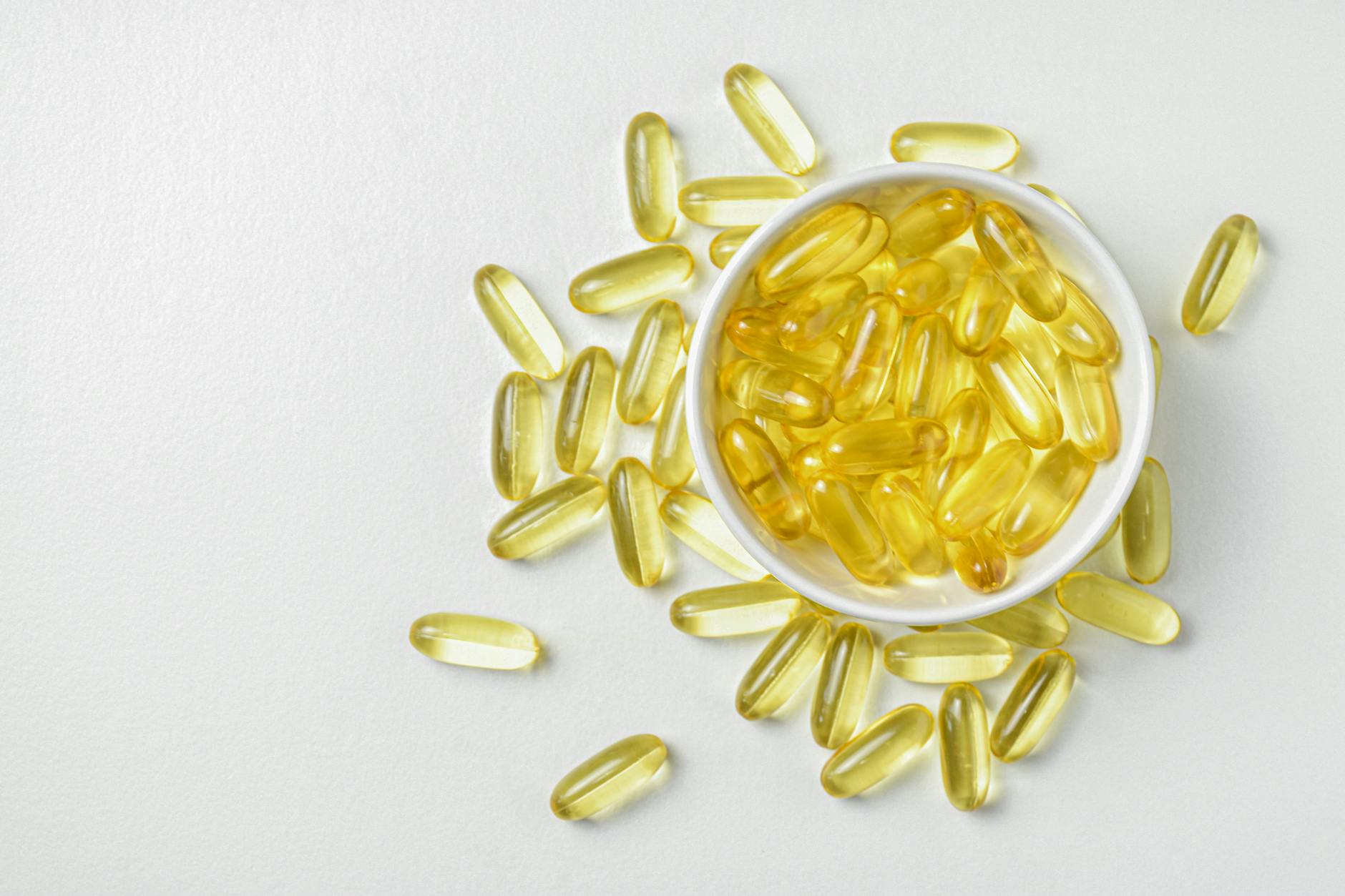
Introducing an active metabolic compound into your routine requires careful tracking through objective laboratory markers. You must never rely on subjective feelings alone. Changes in blood biochemistry provide early insight into whether the protocol is working and how well your body is tolerating the metabolic load.
Liver Function Tests (ALT, AST, ALP, and GGT)
Fenbendazole is metabolised by the cytochrome P450 enzyme system, specifically the CYP1A2 and CYP3A4 pathways in the liver. A mild elevation in alanine aminotransferase (ALT) or aspartate aminotransferase (AST) can occur during the initial fortnight of use. This is often temporary as the liver adjusts. However, if liver enzymes rise to more than three times the upper limit of normal, the protocol must be suspended immediately until values return to baseline. Routine monitoring every two to four weeks is non-negotiable.
Pancreatic Tumour Markers (CA 19-9 and CEA)
Carbohydrate antigen 19-9 (CA 19-9) is the primary serum biomarker used to assess pancreatic tumour activity. When following a targeted protocol, changes in CA 19-9 can be complex. During the first two to four weeks, you may observe a transient spike in CA 19-9. This paradoxical rise often reflects tumour lysis, where dying cancer cells rupture and spill their internal antigen contents into the bloodstream. A sustained, downward trajectory over eight to twelve weeks suggests an objective response.
Systemic Inflammatory Markers (hs-CRP and ESR)
Pancreatic tumours thrive in a systemic inflammatory setting. High-sensitivity C-reactive protein (hs-CRP) and erythrocyte sedimentation rate (ESR) track underlying inflammatory activity. As the metabolic stack suppresses NF-kB and dampens tumour-driven cytokine release, these markers often trend downward. Lower systemic inflammation directly correlates with improved appetite, reduced cachexia, and enhanced physical resilience.
Candidacy and Safety: Who This Protocol Is For
Applying fenbendazole dosing for pancreatic cancer requires honest assessment of your current health status and stage of treatment. It is not suitable for every individual at every moment.
Ideal Candidates
- Individuals with stable liver function whose baseline ALT, AST, and total bilirubin levels sit within or near normal laboratory ranges.
- Patients undergoing palliative chemotherapy or radiation seeking complementary, non-conflicting metabolic pressure with their team's knowledge.
- Individuals who have completed standard resection surgery and want an active adjunct protocol during remission surveillance to suppress circulating tumour cells.
- Patients with locally advanced or non-resectable disease who have exhausted conventional lines and wish to explore repurposed medications alongside palliative care.
When to Exercise Caution or Avoid Use
- Severe Hepatic Impairment: If you have liver metastases that have compromised greater than 40 percent of functional liver volume, or if you have obstructive jaundice with elevated bilirubin, avoid fenbendazole until biliary stenting resolves the blockage.
- Concomitant Hepatotoxic Medications: Anyone taking multiple medications with high liver toxicity risks overtaxing CYP pathways.
- Severe Malabsorption or End-Stage Cachexia: Patients unable to digest lipids due to pancreatic exocrine insufficiency must first correct digestive enzyme output using prescription pancrelipase. Without lipid absorption, the compound will not work.
How to Implement the Protocol Step by Step

Starting this journey requires an orderly, systematic approach. Rushing into high amounts on day one only increases the risk of digestive upset or liver strain. Follow this structured roadmap to begin safely.
- Establish Baseline Blood Chemistries: Obtain a comprehensive metabolic panel, full blood count, fasting liver function tests (ALT, AST, ALP, GGT, Total Bilirubin), renal panel, and baseline CA 19-9 before touching any supplements.
- Secure High-Purity Compound with Lab Verification: Sourcing matters immensely. Whether using veterinary preparations or high-purity crystalline powder, ensure the supplier provides a third-party Certificate of Analysis confirming purity of at least 99 percent and demonstrating the absence of heavy metals.
- Prepare Your Lipid Carrier System: Procure cold-pressed organic coconut oil, extra virgin olive oil, or pharmaceutical-grade medium-chain triglyceride oil. Never ingest fenbendazole with plain water, dry bread, or fruit juice alone.
- Commence with Phase I Liver Priming: Spend seven days taking milk thistle (250 mg twice daily) and curcumin (500 mg twice daily) to support hepatic detoxification pathways and establish cellular antioxidant defences before introducing the benzimidazole.
- Introduce the Starting Dose: On day eight, introduce fenbendazole at a half-strength dose (approximately 3 mg per kilogram of body weight). Mix the powder thoroughly into a tablespoon of lipid-rich oil or full-fat organic yoghurt. Consume this mixture immediately after your main meal of the day.
- Escalate to the Full Calculated Target: If no digestive discomfort, nausea, or headache occurs after five days, increase the dosage to your full calculated target (5 mg to 10 mg per kilogram of body weight). Adopt the five-days-on, two-days-off cycling schedule.
- Repeat Blood Panels at Day 21: Check liver enzymes and renal markers three weeks after initiating the full dose. Compare the results against your baseline values to verify that hepatic clearance remains smooth and uncompromised.
- Evaluate Clinical Progress at Week Eight: Repeat the CA 19-9 marker alongside cross-sectional imaging (CT or MRI) as scheduled by your oncologist. Review the trends alongside an integrative clinician to adjust dosage amounts or scheduling cycles accordingly.
Final Thoughts on Reclaiming Your Health and Moving Forward
A diagnosis of pancreatic cancer changes your reality in an instant. The fear can be paralysing, and standard oncology appointments often feel like an assembly line where you are reduced to a staging classification. But your body is an extraordinary, living biological system that responds to targeted metabolic interventions. You are never without options, and you do not have to remain passive in your own care.
Repurposed compounds like fenbendazole represent an empowering, scientifically grounded way to bring multifaceted pressure against abnormal cells while preserving your quality of life. By understanding the cellular mechanics, demanding rigorous third-party sourcing, and following disciplined weight-based dosing schedules, you put your body in the best position to fight. The complete protocol lives in The Waterman Protocols, offering step-by-step guidance to help you make informed, confident decisions every single day. Stand strong, monitor your progress closely, and never stop advocating for your health.
Frequently Asked Questions
How does fenbendazole differ from mebendazole in cancer support?
Fenbendazole and mebendazole are related benzimidazole anthelmintics that both disrupt tubulin polymerisation. Mebendazole is fully approved for human pinworm infections and has slightly higher documented water solubility in certain pharmaceutical preparations. Fenbendazole is traditionally veterinary-grade, less expensive, and widely accessible, but it requires diligent fat pairing to achieve comparable systemic bioavailability in human tissue.
Can you take fenbendazole while undergoing standard chemotherapy?
Many individuals combine fenbendazole with chemotherapies like gemcitabine or Abraxane under the supervision of an integrative oncologist. However, because both treatments are cleared through hepatic pathways, you must monitor liver enzymes fortnightly. Fenbendazole does not appear to reduce cytotoxic efficacy, but clinical guidance is crucial to ensure patient safety throughout active treatment cycles.
What specific dietary fat source works best for absorption?
Medium-chain triglyceride oil, extra virgin olive oil, and full-fat organic dairy yoghurt work best. Fenbendazole dissolves in lipid emulsions, which triggers the release of digestive bile salts and pancreatic lipases. This process packages the active compound into microscopic micelles that pass readily through the intestinal lining into the bloodstream.
How quickly should one expect CA 19-9 markers to decrease?
Tumour markers rarely drop immediately. In the first three to six weeks, CA 19-9 levels may temporarily rise as tumour cells rupture and release antigens into the circulation. Meaningful downward trends typically emerge after eight to twelve weeks of consistent, continuous protocol use alongside supportive lifestyle adjustments.
What are the earliest warning signs of liver strain?
Early signs of liver stress include persistent nausea, dark tea-coloured urine, pale stools, uncharacteristic fatigue, or a dull ache under the right ribcage. If you experience these symptoms, stop the protocol immediately and get a comprehensive hepatic function panel to check your ALT, AST, and bilirubin levels.
Get the full protocol in the book
Everything in this article — plus the full step-by-step protocols, exact dosages and the Iced Shake Method — is inside The Waterman Protocols.
Get the Book on Amazon →