Ivermectin Dosing for Lung Cancer Support: Proven Guide
A clear, practical breakdown of ivermectin dosing for lung cancer support, cellular pathways, and adjunctive nutritional strategies.
Key Takeaways
- Researched ivermectin dosing for lung cancer support centres on 0.2 mg/kg to 0.6 mg/kg taken with dietary fats to optimise tissue bioavailability.
- Ivermectin disrupts malignant lung cell proliferation by inhibiting the PAK1 pathway, blocking importin alpha and beta nuclear transport, and triggering apoptosis.
- Safe implementation requires strict liver enzyme monitoring, targeted biliary support with milk thistle or TUDCA, and strategic synergy with metabolic cofactors.
Matt's take: Most alternative cancer forums hand out a flat twelve milligram tablet dose and call it a day, completely ignoring human pharmacokinetics. Ivermectin is highly lipophilic; taking it on an empty stomach yields barely twenty percent tissue absorption, whereas taking it alongside fifteen to twenty grams of healthy dietary fat dramatically increases lung tissue saturation. In lung tissue specifically, PAK1 kinase suppression requires sustained plasma peaks, which is why precise mg/kg dosing and meal composition matter far more than just popping random tablets.
Can ivermectin dosing for lung cancer support genuinely alter the metabolic terrain of malignant lung cells? Facing a lung diagnosis is terrifying, leaving you overwhelmed by clinical jargon and limited non-toxic options. You want to understand what the peer-reviewed science actually reveals about repurposed antiparasitics without hollow hype. In this guide, you will learn the exact biological mechanisms, calculated weight-based doses, vital safety markers, and how targeted adjunctive nutrients build a comprehensive defence.
The Urgent Search for Complementary Lung Care
A diagnosis involving the lungs brings an immediate sense of suffocation, both physically and emotionally. The standard medical pathway moves swiftly with chemotherapy, radiotherapy, and immunotherapies that carry substantial toxicity. While these interventions can debulk acute tumours, many individuals find themselves searching for complementary strategies to enhance malignant cell sensitivity, protect healthy parenchyma, and prevent recurrence.
Conventional approaches frequently overlook cellular bioenergetics and aberrant signalling cascades. Patients are often told to wait between scans without being offered proactive metabolic tools. This passive waiting period creates profound anxiety. People want active, evidence-informed interventions they can control at home. The complete protocol lives in The Waterman Protocols, offering individuals a grounded, non-toxic roadmap to rebuild their physiological resilience.
Repurposed medications have stepped into this void. Compounds originally developed as anti-parasitic agents have demonstrated remarkable off-target anti-neoplastic properties across preclinical models. When used intelligently, they do not replace necessary oncology care; rather, they alter the biological soil in which abnormal cells attempt to flourish.
Cellular Mechanisms: How Ivermectin Affects Lung Tissue
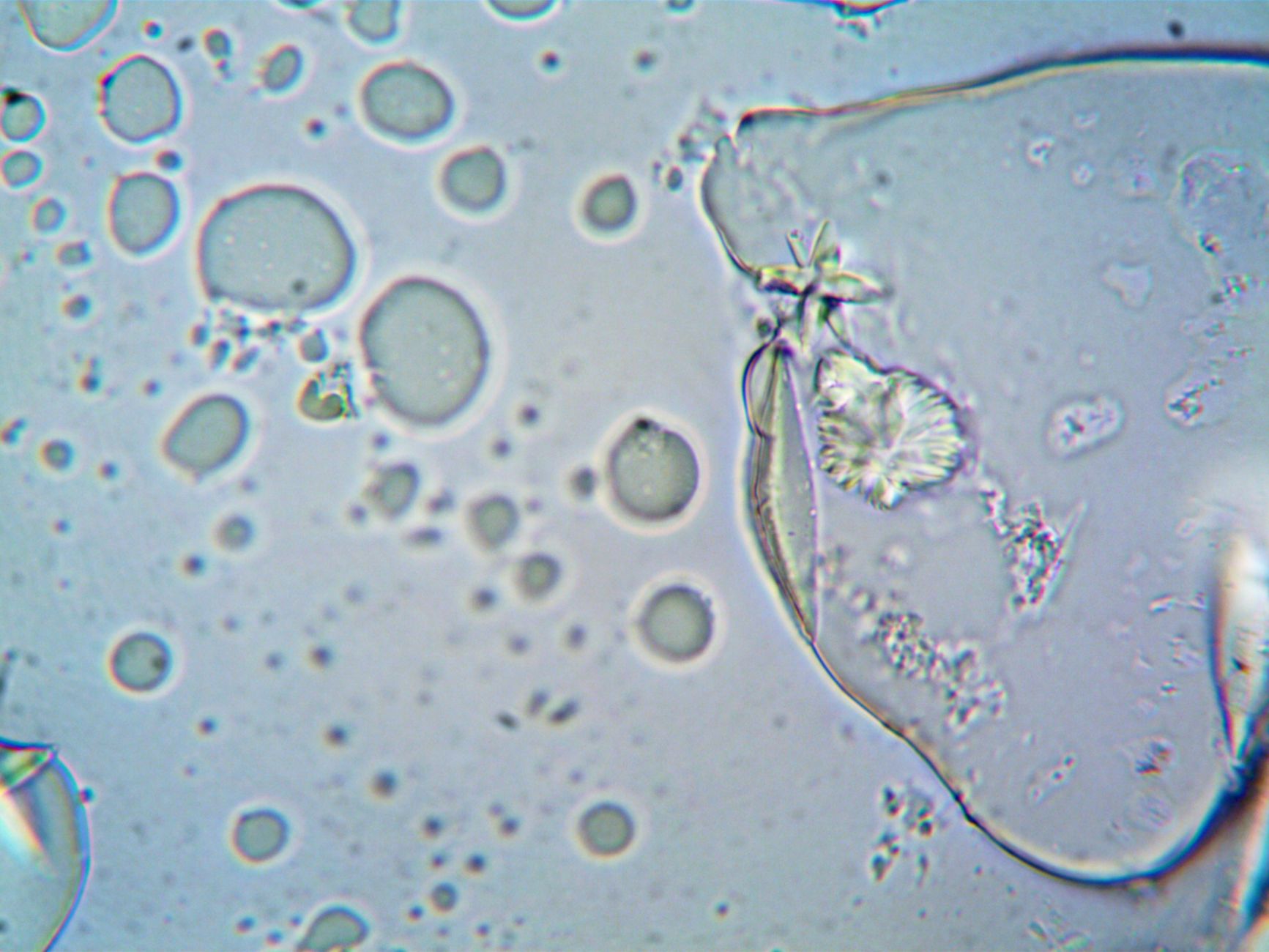
To understand why researchers investigate this avermectin derivative in pulmonary oncology, one must examine the specific signalling cascades operating within both non-small cell lung cancer (NSCLC) and small cell lung cancer (SCLC).
First, ivermectin functions as a potent inhibitor of p21-activated kinase 1 (PAK1). In human lung adenocarcinomas and squamous cell carcinomas, PAK1 is frequently hyperactivated. This kinase drives cytoskeletal remodelling, accelerates cell motility, facilitates metastasis into pleural spaces, and confers resistance to epidermal growth factor receptor (EGFR) tyrosine kinase inhibitors. By binding to and suppressing PAK1, ivermectin shuts down downstream proliferative signals including the Akt/mTOR pathway.
Second, ivermectin interrupts the nuclear import machinery governed by importin alpha/beta heterodimers. Malignant cells rely heavily on this transport system to shuttle oncogenic transcription factors into the nucleus while ejecting tumour suppressors. When importin alpha/beta is blocked, critical proteins such as p53 are retained within the nucleus where they can execute their natural cell-cycle arrest and apoptotic programmes.
Third, ivermectin destabilises mitochondrial transmembrane potential specifically within transformed cells. It induces the overproduction of reactive oxygen species (ROS) in cancer cells while simultaneously impairing their glycolytic capacity (the classic Warburg effect). This dual metabolic stress activates caspase-dependent apoptosis and stimulates immunogenic cell death (ICD), alerting the host immune system to cancerous antigens. Preclinical studies also demonstrate that pairing this approach alongside complementary therapies like fenbendazole dosing for lung cancer support creates multi-targeted pressure across distinct cellular organelles.
Fourth, ivermectin suppresses tumour angiogenesis by down-regulating vascular endothelial growth factor (VEGF). Lung tumours require a dense network of fragile, aberrant blood vessels to sustain their rapid growth and to shed circulating tumour cells into the bloodstream. Cutting off VEGF signals starves micro-metastatic colonies before they can establish firm vascular footholds.
Practical Ivermectin Dosing for Lung Cancer Support
When exploring ivermectin dosing for lung cancer support, blanket human dosages taken from parasitic guidelines (such as 12 mg or 15 mg once or twice per year) are entirely irrelevant. Anti-neoplastic adjunct protocols require consistent plasma accumulation and optimal tissue penetration without overwhelming hepatic cytochrome P450 enzymes.
Weight-Based Dosing Scales
Integrative oncologists and functional researchers generally utilise weight-based dosing ranging from 0.2 mg/kg up to 0.6 mg/kg per day, depending on tolerance, tumour burden, and clinical staging:
- Low-dose maintenance or early-stage support: 0.2 mg/kg body weight once daily.
- Moderate supportive range (most commonly applied): 0.3 mg/kg to 0.4 mg/kg body weight once daily.
- High-intensity pulse protocol (advanced cases under direct professional supervision): 0.5 mg/kg to 0.6 mg/kg body weight, administered in divided daily doses.
To visualise these numbers in practice, consider the following daily calculations:
- 50 kg individual at 0.3 mg/kg: 15 mg per day.
- 60 kg individual at 0.3 mg/kg: 18 mg per day; at 0.4 mg/kg: 24 mg per day.
- 70 kg individual at 0.3 mg/kg: 21 mg per day; at 0.4 mg/kg: 28 mg per day.
- 80 kg individual at 0.3 mg/kg: 24 mg per day; at 0.4 mg/kg: 32 mg per day.
- 90 kg individual at 0.3 mg/kg: 27 mg per day; at 0.4 mg/kg: 36 mg per day.
The Mandatory Bioavailability Factor
Ivermectin is an extremely lipophilic molecule. If taken with a simple glass of water on an empty stomach, systemic and pulmonary tissue bioavailability remains notoriously low. To force the compound past the intestinal mucosal barrier and into lymphatic circulation, it must be ingested alongside approximately 15 to 20 grams of healthy fats.
Ideal fat carriers include organic extra virgin olive oil, cold-pressed coconut oil, grass-fed butter, avocado, or full-fat pasture-raised yoghurt. Taking your dose in the middle of a fat-containing meal increases peak plasma concentrations by up to two-and-a-half to three times compared to a fasted state.
Cycling Strategies and Liver Protection
Continuous, uninterrupted intake can occasionally saturate liver clearance pathways. Therefore, structured pulsing schedules are widely favoured:
- Five days on, two days off: Take the calculated dose Monday through Friday, resting the liver over the weekend.
- Three weeks on, one week off: Take the calculated dose daily for twenty-one consecutive days, followed by a seven-day washout.
During both active days and rest periods, robust hepatic support is essential. The liver metabolises ivermectin primarily via CYP3A4 enzymes. Incorporating milk thistle (providing standardised silymarin at 250 mg twice daily), TUDCA (tauroursodeoxycholic acid at 250 mg to 500 mg daily), or N-acetyl cysteine (NAC at 600 mg to 1200 mg daily) protects hepatocytes and supports healthy bile flow.
What Changes When You Follow Ivermectin Dosing for Lung Cancer Support

Implementing a targeted metabolic protocol produces systemic physiological shifts that extend well beyond the tumour microenvironment. Patients tracking their progress through blood panels and symptomatic assessments often note several distinct improvements.
1. Reduction in Systemic Inflammatory Markers
Lung malignancies generate substantial local and systemic inflammation, driving elevated C-reactive protein (CRP), high erythrocyte sedimentation rates (ESR), and skewed neutrophil-to-lymphocyte ratios (NLR). Because ivermectin dampens NF-kB and down-regulates inflammatory cytokines such as interleukin-6 (IL-6) and tumour necrosis factor-alpha (TNF-alpha), patients often observe a steady decrease in their inflammatory blood markers within six to eight weeks.
2. Preservation of Energy and Mitochondrial Vitality
Cancer cachexia and treatment-induced fatigue are linked to systemic metabolic dysfunction, where malignant cells siphon glutamine and glucose while flooding circulation with lactic acid. By disrupting glycolysis in aberrant cells, ivermectin helps relieve the metabolic burden on the host. Patients frequently report improved baseline stamina, reduced breathlessness on light exertion, and less muscle wasting.
3. Synergistic Immune Re-engagement
Because ivermectin triggers immunogenic cell death, tumour-associated macrophages and dendritic cells can more readily process exposed tumour antigens. This can restore natural killer (NK) cell and CD8+ T-cell surveillance within pulmonary tissue. When combined with other repurposed options such as ivermectin dosing for colon cancer support, functional practitioners observe a re-sensitisation of the host immune system across diverse epithelial malignancies.
Who Ivermectin Dosing for Lung Cancer Support Helps Most
This integrative strategy is not a universal panacea, but it offers measurable value for specific clinical presentations when implemented with precision.
Patients Diagnosed with Non-Small Cell Lung Cancer
NSCLC accounts for roughly eighty-five percent of all lung diagnoses, encompassing adenocarcinoma, squamous cell carcinoma, and large cell carcinoma. Preclinical data indicates that adenocarcinoma lines bearing EGFR mutations or KRAS alterations are particularly susceptible to ivermectin-induced PAK1 suppression. Patients undergoing targeted therapies often explore this adjunct to delay or overcome acquired drug resistance.
Individuals Seeking Adjunctive Support During Chemotherapy
Many cytotoxic agents, such as cisplatin, carboplatin, and paclitaxel, lose effectiveness as cancer cells up-regulate multidrug resistance proteins (such as P-glycoprotein). Ivermectin acts as a competitive inhibitor of P-glycoprotein efflux pumps, effectively trapping chemotherapeutic agents inside malignant cells where they can do their job at lower systemic toxicity.
Those in Remission Focused on Preventing Recurrence
Once acute debulking is finished, patients are frequently discharged into a state of watchful waiting. Utilising a conservative 0.2 mg/kg pulse protocol provides ongoing suppression of circulating tumour cells and cancer stem cell populations without causing hair loss, bone marrow suppression, or gut destruction.
| Patient Profile | Primary Objective | Suggested Dosing Range | Cycling Strategy |
| :--- | :--- | :--- | :--- |
| Active NSCLC / SCLC | Metabolic disruption and chemo-sensitisation | 0.3 mg/kg to 0.4 mg/kg | 5 days on, 2 days off |
| Post-surgical / Remission | Stem cell suppression and recurrence prevention | 0.2 mg/kg | 3 weeks on, 1 week off |
| Advanced Metastatic | Intensive multi-pathway inhibition | 0.4 mg/kg to 0.5 mg/kg | 5 days on, 2 days off (split doses) |
Synergistic Nutritional Cofactors for Pulmonary Health
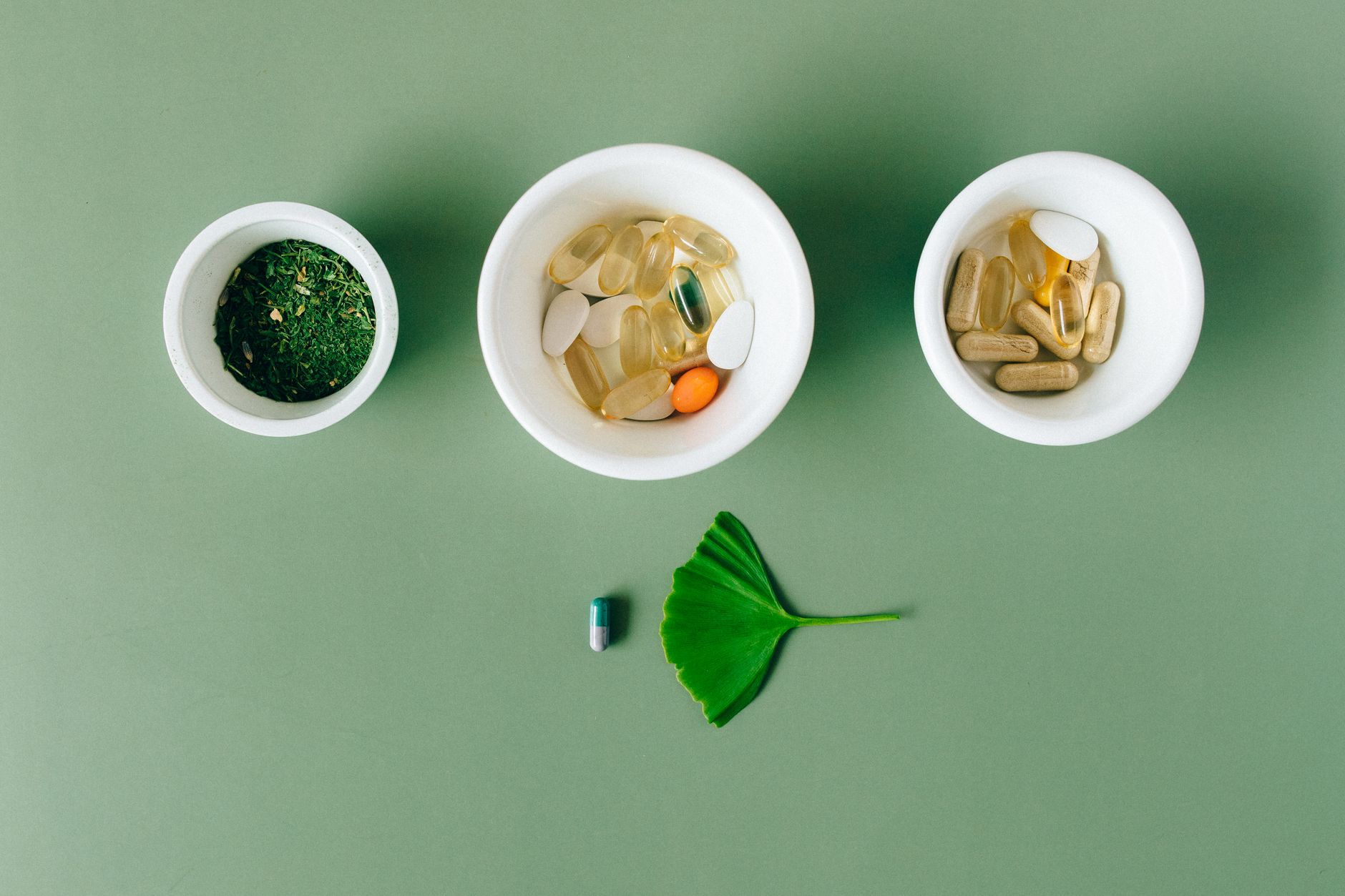
Ivermectin should never stand alone. Cancer is a multi-headed metabolic beast, and single-agent approaches rarely achieve lasting remissions. Combining ivermectin with compatible, non-overlapping natural compounds creates a hostile terrain for abnormal cells.
High-Dose Vitamin D3 and K2
Vitamin D is a potent nuclear steroid hormone that controls hundreds of genes regulating cell differentiation and apoptosis. Lung tissue is rich in vitamin D receptors. Maintaining serum 25-hydroxyvitamin D levels between 60 ng/mL and 80 ng/mL (150 nmol/L to 200 nmol/L) requires daily dosing of roughly 5,000 IU to 10,000 IU of D3, always balanced with 100 mcg to 200 mcg of Vitamin K2 (as MK-7) to keep calcium out of vascular tissue and in the bone matrix.
Liposomal Curcumin
Curcumin directly suppresses NF-kB, inhibits STAT3 signalling, and promotes apoptosis in lung cancer cell lines. When taken alongside ivermectin, curcumin enhances the down-regulation of survival proteins such as Bcl-2. Use a high-absorption liposomal or phospholipid formulation providing 500 mg to 1,000 mg twice daily with food.
Quercetin and Green Tea Extract (EGCG)
Quercetin serves as a zinc ionophore and an inhibitor of heat shock proteins that cancer cells use to survive environmental stress. EGCG (epigallocatechin gallate) halts tumour angiogenesis and disrupts cellular glycolysis. Together, they form an effective polyphenol backbone that enhances ivermectin's intracellular penetration.
Medicinal Mushrooms (Cordyceps and Reishi)
Cordyceps sinensis has an ancient affinity for pulmonary vitality, improving cellular oxygen utilisation and ATP generation in healthy lung tissue. Reishi (Ganoderma lucidum) supplies beta-glucans that stimulate macrophage phagocytosis and elevate natural killer cell cytotoxicity against circulating abnormal cells.
How to Implement This Protocol Safely Today
Starting any repurposed protocol demands a systematic, measured approach. Reckless experimentation without objective tracking invites unnecessary complications. Follow this structured five-step implementation plan.
- Establish Baseline Blood Markers
Before swallowing your first dose, obtain comprehensive blood work. Essential tests include a full blood count (FBC), comprehensive metabolic panel (liver enzymes ALT, AST, GGT, alkaline phosphatase, and total bilirubin), kidney markers (urea and creatinine), and inflammatory indicators (high-sensitivity CRP, ESR, and ferritin). If tumour markers such as CEA or CYFRA 21-1 are tracked for your specific tumour type, document their baseline values.
- Calculate Your Exact Milligram Target
Weigh yourself in the morning on an empty stomach. Convert your weight to kilograms (divide pounds by 2.2). Multiply your weight in kilograms by your chosen dose tier (for instance, 70 kg multiplied by 0.3 mg/kg equals 21 mg). Round to the nearest practical tablet configuration without wildly exceeding your calculated target.
- Source Human-Grade Active Pharmaceutical Ingredients
Always use human-grade pharmaceutical tablets manufactured under verified Good Manufacturing Practice (GMP) standards. Avoid agricultural or veterinary pastes and drenches, which contain non-standardised excipients, alcohol bases, or binders not intended for human gastrointestinal absorption.
- Coordinate Dose Timing with Fat-Containing Meals
Take your entire daily allotment (or divided halves if dosing above 0.4 mg/kg) during your main meal. Ensure that meal contains at least 15 grams of healthy lipid sources. If you practice intermittent fasting and eat only within a condensed window, schedule your dose with your first meal of the day.
- Re-evaluate Blood Chemistry Every 4 to 6 Weeks
Monitor liver enzymes and renal function monthly during the initial three months of the protocol. A transient, mild elevation in ALT or AST can occur; if levels exceed twice the upper limit of normal, pause the compound immediately, increase TUDCA and milk thistle, and allow enzymes to normalize before reintroducing at a lower dose.
Rebuilding Your Vitality from the Cell Up
A diagnosis that touches your breathing strikes at the very core of your life force. Every breath you take should bring nourishment, oxygen, and calm to your body, not dread or helplessness. While standard oncology continues to advance, taking ownership of your biological environment gives you an indispensable sense of agency.
Ivermectin represents one of several thoroughly researched repurposed compounds that can reshape your cellular landscape. By systematically shutting down PAK1, stopping nuclear import, reducing inflammatory signalling, and starving transformed cells of their preferred fuel, you actively participate in your healing journey.
I have detailed the complete step-by-step blueprint for pairing repurposed compounds with targeted nutrition in Matt's book, giving you the practical tools needed to reclaim your health with confidence and clarity. Work with an open-minded healthcare practitioner, track your objective markers with care, and approach your recovery with relentless persistence.
Frequently Asked Questions
What is the most effective ivermectin dosing for lung cancer support?
Most clinical research and integrative protocols utilise a weight-based range between 0.2 mg/kg and 0.4 mg/kg body weight per day. This equates to approximately 18 mg to 28 mg daily for an average adult, typically taken five days on followed by two days off alongside dietary fats to maximise pulmonary tissue absorption.
Why must ivermectin be taken with dietary fats for lung cancer?
Ivermectin is highly lipophilic, meaning it dissolves in lipids rather than water. Ingesting it on an empty stomach yields very low plasma and tissue concentrations. Consuming the dose with fifteen to twenty grams of healthy fats increases systemic bioavailability up to three-fold, ensuring therapeutic accumulation in pulmonary tissues.
Can ivermectin be used alongside standard chemotherapy or targeted radiation?
Many integrative oncologists co-administer ivermectin with standard therapies because it can inhibit P-glycoprotein efflux pumps, potentially sensitising resistant cancer cells to chemotherapeutic agents. However, you must consult your oncologist to ensure there are no specific metabolic clearance conflicts with your specific drug regimen.
How often should liver enzymes be tested while using this protocol?
Baseline liver function tests (including ALT, AST, GGT, and bilirubin) should be performed before starting. Follow-up blood tests are strongly recommended every four weeks for the first three months. If enzymes elevate beyond twice the upper normal limit, the protocol should be paused and liver support intensified.
What cofactors work best alongside ivermectin for pulmonary cellular support?
Key synergistic nutrients include liposomal curcumin (to down-regulate NF-kB), high-dose Vitamin D3 with K2 (to stimulate cell differentiation), quercetin, and medicinal mushroom extracts like Cordyceps and Reishi. These natural agents support healthy immune surveillance, combat chronic inflammation, and protect healthy lung architecture without diminishing ivermectin's anti-neoplastic properties.
Frequently asked questions
What is the most effective ivermectin dosing for lung cancer support?+
Most clinical research and integrative protocols utilise a weight-based range between 0.2 mg/kg and 0.4 mg/kg body weight per day. This equates to approximately 18 mg to 28 mg daily for an average adult, typically taken five days on followed by two days off alongside dietary fats to maximise pulmonary tissue absorption.
Why must ivermectin be taken with dietary fats for lung cancer?+
Ivermectin is highly lipophilic, meaning it dissolves in lipids rather than water. Ingesting it on an empty stomach yields very low plasma and tissue concentrations. Consuming the dose with fifteen to twenty grams of healthy fats increases systemic bioavailability up to three-fold, ensuring therapeutic accumulation in pulmonary tissues.
Can ivermectin be used alongside standard chemotherapy or targeted radiation?+
Many integrative oncologists co-administer ivermectin with standard therapies because it can inhibit P-glycoprotein efflux pumps, potentially sensitising resistant cancer cells to chemotherapeutic agents. However, you must consult your oncologist to ensure there are no specific metabolic clearance conflicts with your specific drug regimen.
How often should liver enzymes be tested while using this protocol?+
Baseline liver function tests (including ALT, AST, GGT, and bilirubin) should be performed before starting. Follow-up blood tests are strongly recommended every four weeks for the first three months. If enzymes elevate beyond twice the upper normal limit, the protocol should be paused and liver support intensified.
What cofactors work best alongside ivermectin for pulmonary cellular support?+
Key synergistic nutrients include liposomal curcumin (to down-regulate NF-kB), high-dose Vitamin D3 with K2 (to stimulate cell differentiation), quercetin, and medicinal mushroom extracts like Cordyceps and Reishi. These natural agents support healthy immune surveillance, combat chronic inflammation, and protect healthy lung architecture without diminishing ivermectin's anti-neoplastic properties.
Get the full protocol in the book
Everything in this article — plus the full step-by-step protocols, exact dosages and the Iced Shake Method — is inside The Waterman Protocols.
Get the Book on Amazon →