Fenbendazole Dosing for Esophageal Cancer Support: Proven Guide
A clear, evidence-based breakdown of fenbendazole dosing for esophageal cancer support to help you navigate metabolic adjunct therapies.

Key Takeaways
- Precise fenbendazole dosing for esophageal cancer support relies on weight-based calculations and fat-assisted absorption to overcome poor oral bioavailability.
- Fenbendazole disrupts malignant cell division by depolymerising tubulin microtubules and blocking glucose uptake through down-regulated GLUT transporters.
- A successful adjunct protocol pairs fenbendazole with synergistic co-factors like curcumin, CBD oil, and vitamin E to protect healthy tissue and support liver clearance.
What almost nobody tells you: Fenbendazole is practically insoluble in water, meaning less than ten percent reaches systemic circulation if you swallow it on an empty stomach. You must administer every dose alongside long-chain fatty acids, such as organic cold-pressed olive oil, full-fat yoghurt, or pure CBD oil, which increases lymphatic uptake and elevates serum concentrations up to fourfold without raising gastrointestinal irritation.
Looking for clear fenbendazole dosing for esophageal cancer support? You are not alone in this fight. An esophageal diagnosis is one of the most frightening moments anyone can experience, especially when standard care feels punishing, impersonal, or limited in scope. You want answers that go beyond passive waiting. You need practical, aggressive metabolic strategies that support your body at the cellular level while protecting your vitality. In this guide, you will learn the exact biological mechanisms, weight-based calculations, and vital co-factors required to implement this repurposed veterinary anthelmintic safely and effectively as part of an integrative recovery plan.
Why Fenbendazole Dosing for Esophageal Cancer Support Demands Precision
Esophageal malignancies present unique anatomical and physiological hurdles. The esophagus is a high-motion muscular conduit constantly exposed to digestive enzymes, acid reflux, and mechanical friction. When malignant lesions develop in squamous cells or adenomatous tissue near the gastroesophageal junction, swallowing becomes difficult, appetite plummets, and nutritional absorption drops dramatically. Because dysphagia often forces individuals onto soft diets or liquid nutrition, administering standard capsules can cause severe mechanical discomfort or inconsistent mucosal uptake.
Getting your measurements right matters immensely. Under-dosing fails to achieve the serum saturation needed to disrupt rapidly dividing cells, while excessive dosing places unnecessary strain on hepatic clearance pathways. The complete protocol lives in The Waterman Protocols, where I detail how to match compound strength to individual metabolic capacity while preserving digestive function. When dealing with esophageal tissue, you cannot afford guesswork. You must account for stomach emptying speed, bile production, and whether an individual has undergone stent placement or radiation therapy.
Many patients also look into related adjunct strategies, such as fenbendazole dosing for stomach cancer support, because tumors near the gastric cardia behave aggressively and share similar microenvironments. Applying a thoughtful, measured approach allows you to support systemic health without exhausting your internal reserves.
How Fenbendazole Targets Esophageal Tumour Metabolism
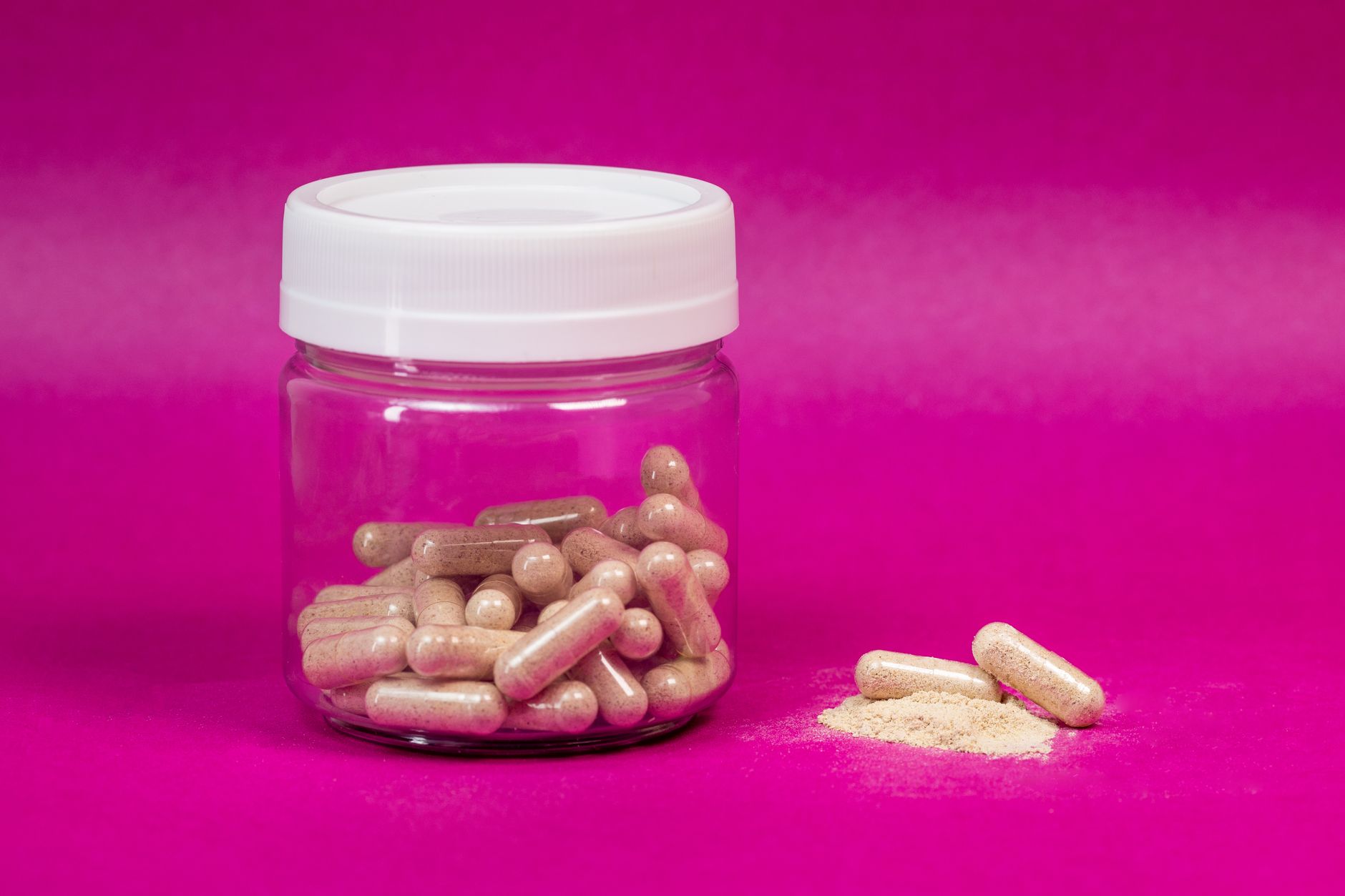
Fenbendazole is a broad-spectrum benzimidazole originally formulated to eliminate veterinary parasites. Over the past decade, oncological researchers discovered that benzimidazoles exhibit profound antineoplastic properties against human malignancies. Its primary mode of action is the disruption of microtubule dynamics.
Microtubules are structural filaments within cells that act like scaffolding and transport highways. During mitosis, malignant cells assemble and disassemble these protein filaments at rapid speeds to pull chromosomes apart. Fenbendazole binds selectively to the beta-tubulin subunit of cancer cells. This binding prevents tubulin polymerisation, causing mitotic arrest. The malignant cell freezes midway through division and triggers intrinsic apoptosis, which is programmed cell death.
Beyond mitotic arrest, fenbendazole attacks the metabolic engines that drive esophageal tumors:
- Inhibition of Glucose Transporters (GLUT): Esophageal cancer cells rely heavily on aerobic glycolysis, consuming vast amounts of glucose compared to healthy squamous tissue. Fenbendazole down-regulates glucose transporter proteins, effectively cutting off the fuel supply that keeps these cells alive.
- Reactivation of the p53 Tumour Suppressor Pathway: Many esophageal cancers mutate or silence the p53 gene, which normally orders damaged cells to self-destruct. Fenbendazole stabilises wild-type p53 protein levels, restoring natural cellular surveillance mechanisms.
- Suppression of Tumour Angiogenesis: By limiting vascular endothelial growth factor (VEGF), fenbendazole restricts the formation of new capillary networks that feed expanding lesions.
- Overcoming Multidrug Resistance (MDR): Traditional chemotherapeutic agents often fail because malignant cells develop P-glycoprotein efflux pumps that eject toxic agents. Fenbendazole helps inhibit these efflux pumps, allowing metabolic interventions to remain inside the target cells longer.
By attacking both structural division and metabolic fuel delivery, fenbendazole creates an inhospitable internal terrain for abnormal tissue growth.
The Complete Protocol for Fenbendazole Dosing for Esophageal Cancer Support
Establishing the correct fenbendazole dosing for esophageal cancer support requires balancing therapeutic intensity with liver safety. Because oral bioavailability is low, precision lies not just in the milligram count, but in the delivery vehicle, timing, and cycling schedule.
Standard Baseline Dosing vs Weight-Based Protocols
Two primary approaches exist within integrative metabolic protocols:
- The Fixed Low-Dose Schedule: This framework originates from the widely discussed Joe Tippens protocol. It employs a standardised dose of 222 mg of pure fenbendazole (equivalent to one gram of a standard ten percent veterinary powder formulation such as Panacur or Safeguard) taken once daily. For those exploring foundational usage, the fenbendazole 222mg protocol provides a predictable starting baseline for general metabolic support.
- The Active Weight-Based Therapeutic Protocol: In advanced esophageal adenocarcinoma or squamous cell cases where targeted metabolic pressure is required, clinical practitioners calculate dosages at 5 mg to 10 mg of active fenbendazole per kilogram of body weight per day. For an adult weighing 70 kilograms, this equates to 350 mg to 700 mg of active compound daily, split across two distinct meals.
The Critical Cycling Schedule
Continuous, uninterrupted benzimidazole administration can saturate liver enzymes and cause temporary elevations in alanine aminotransferase (ALT) and aspartate aminotransferase (AST). To prevent hepatic fatigue, you must introduce scheduled wash-out periods.
- Standard Cycle: Take fenbendazole for 5 consecutive days, followed by 2 full rest days each week.
- Gentle Metabolic Cycle: Take fenbendazole for 3 consecutive days, followed by 4 rest days. This schedule is ideal for individuals who are concurrently receiving systemic therapies or who show baseline liver enzyme sensitivity.
- Four-Week Reset: After every six to eight weeks of cycling, take one full week completely off the compound to permit liver regeneration and assess progress.
Essential Synergistic Co-Factors
Fenbendazole should never be taken in isolation. Maximising its metabolic impact requires a network of complementary compounds:
- Full-Spectrum Curcumin (600 mg twice daily): Curcumin acts synergistically with benzimidazoles by suppressing nuclear factor kappa B (NF-kB), reducing the persistent inflammation common in inflamed esophageal linings.
- Full-Spectrum CBD Oil (25 mg to 50 mg daily): Cannabidiol enhances benzimidazole absorption, slows cell proliferation, and down-regulates cannabinoid receptor pathways associated with malignant cell survival.
- Mixed Tocotrienols and Tocopherols (Vitamin E, 400 IU daily): Tocotrienols starve abnormal cells of lipid substrates and induce cell cycle arrest while protecting healthy cell membranes from oxidative stress.
- Berberine Hydrochloride (500 mg twice daily with food): Berberine activates adenosine monophosphate-activated protein kinase (AMPK) and further depresses circulating glucose, starving the tumor of glycolytic fuel.
- Milk Thistle / Silymarin (300 mg daily): Essential for maintaining liver cell integrity and supporting bile synthesis during active fenbendazole cycles.
Managing Dysphagia and Liquid Administration
If you struggle to swallow capsules due to esophageal narrowing, do not force dry pills down your throat. Obtain a ten percent liquid suspension (100 mg of active fenbendazole per millilitre). Measure the appropriate dose with an oral syringe, mix it thoroughly into two tablespoons of organic extra virgin olive oil, cold coconut kefir, or pure avocado oil, and swallow slowly. The fat carrier protects the esophageal mucosa while guaranteeing proper lymphatic delivery.
What Changes When Implementing Fenbendazole Dosing for Esophageal Cancer Support

When you commit to structured fenbendazole dosing for esophageal cancer support, cellular and physiological changes unfold across distinct stages. Tracking these adjustments helps you evaluate tolerance and calibrate your routine.
During the first two weeks, the most noticeable shift is metabolic and digestive. Because you are consuming healthy fats and gut-supportive co-factors, systemic inflammation begins to cool. Patients often report reduced retrosternal burning and less gastric irritation. It is vital during this initial window to track stool colour and bowel habits. Mild looseness can occur if your body is not accustomed to supplementary oils, but this generally settles within four to five days as bile flow adapts.
Between weeks three and six, the primary biological action occurs. Tubulin disruption causes vulnerable cells to enter mitotic arrest. As tumor cells break down, the body initiates immune clearance, which can occasionally trigger transient fatigue or low-grade flu-like sensations. This is known as a mild metabolic die-off or clearing reaction. Staying well-hydrated and taking milk thistle protects your elimination organs during this phase.
By months two and three, blood markers provide objective clarity. You should expect stable or improving liver panels provided you have observed the weekly two-day rest period. Inflammatory markers such as high-sensitivity C-reactive protein (hs-CRP) and erythrocyte sedimentation rate (ESR) frequently trend downward. When paired with healthy caloric intake, patients report better stamina, improved swallowing comfort, and greater emotional resilience knowing they are actively supporting their internal defenses.
Who Benefits Most from Fenbendazole Dosing for Esophageal Cancer Support
Integrative metabolic approaches are not one-size-fits-all tools. Identifying whether this protocol fits your specific circumstance ensures safe and realistic application.
This protocol is especially well-suited for:
- Individuals with Confirmed Esophageal Adenocarcinoma or Squamous Cell Carcinoma: Those seeking an adjunct metabolic protocol alongside standard surgical, radiological, or medical treatments.
- Patients with Inoperable or Persistent Lesions: Individuals whose tumors cannot be fully resected and who need non-toxic, daily strategies to restrict ongoing vascular growth and glucose uptake.
- Post-Remission Patients Focused on Prevention: People who have completed primary medical treatment and wish to address micro-metastases or circulating tumor cells during the vulnerable monitoring window.
- Patients Struggling with Standard Treatment Side Effects: Those needing targeted cellular support that does not destroy bone marrow, cause alopecia, or decimate gut microbiome balance.
Conversely, this protocol requires extreme caution or postponement in certain populations. Individuals with severe end-stage hepatic cirrhosis or baseline ALT/AST levels exceeding three times the upper normal limit should stabilize their liver function before introducing benzimidazoles. Anyone taking strong cytochrome P450-modulating pharmaceuticals should consult their medical team to prevent unwanted drug interactions.
How to Start Your Support Protocol Today

Beginning a comprehensive adjunct protocol does not require overhauling your life overnight. Follow this structured, step-by-step checklist to launch safely and confidently:
- Establish Your Blood Baseline: Secure a comprehensive metabolic panel, including full liver function tests (ALT, AST, alkaline phosphatase, bilirubin), renal markers, and complete blood count before swallowing your first dose.
- Source High-Purity Compounds: Ensure your fenbendazole is at least 99 percent pure active compound, whether using calibrated veterinary powder or professional pharmaceutical grade. Avoid products containing unverified fillers, flavourings, or artificial sweeteners.
- Calculate Your Personal Intake: Decide between the baseline 222 mg protocol or the weight-adjusted target of 5 mg to 7 mg per kilogram. If you weigh 65 kg, a target of roughly 325 mg to 450 mg active compound daily is appropriate.
- Prepare Your Fat Delivery Base: Stock your pantry with high-quality carriers. Keep organic cold-pressed olive oil, raw grass-fed butter, MCT oil, or high-grade CBD oil ready for mealtime dosing.
- Introduce Co-Factors Gradually: Start milk thistle, curcumin, and vitamin E three days before your first fenbendazole dose to prepare cellular pathways and hepatic reserves.
- Begin the 5-On, 2-Off Rhythm: Take your dose with your highest-fat meal of the day from Monday through Friday. Rest completely on Saturday and Sunday.
- Re-Test Every Four to Six Weeks: Draw follow-up blood panels monthly to monitor hepatic enzymes. If liver markers rise, pause the compound for seven days and resume at a lower dose once numbers return to baseline.
Reclaiming Your Cellular Health and Moving Forward
Facing an esophageal diagnosis tests your strength on every imaginable front. It can feel as though your body has betrayed you, leaving you at the mercy of overwhelming clinical jargon and rigid timelines. Yet your biology is not passive. Every day, your cells respond directly to the signals you provide through targeted nutrition, strategic metabolic pressure, and conscious recovery practices.
Implementing an adjunct strategy gives you agency back. By understanding how benzimidazoles interrupt tumor mechanics, choke off glucose pathways, and restore normal cellular apoptosis, you step into the role of an informed, empowered advocate for your own healing. The full framework and dosing schedules are laid out in Matt's book, offering you a reliable roadmap through every stage of metabolic support.
Take this process one step at a time. Work alongside an open-minded healthcare practitioner who values data, monitors your blood markers diligently, and respects your desire to leave no stone unturned. With patience, precision, and the right metabolic tools, you can actively protect your health, support your tissues, and build a resilient foundation for long-term recovery.
Frequently Asked Questions
What is the standard fenbendazole dosing for esophageal cancer support?
The standard baseline dose is 222 mg of pure fenbendazole once daily, taken five days on and two days off. In weight-adjusted protocols, practitioners often recommend 5 mg to 10 mg per kilogram of body weight daily, split across two meals containing healthy dietary fats.
Does fenbendazole interfere with standard radiation or chemotherapy treatments?
Laboratory research suggests benzimidazoles can sensitise cancer cells to radiation and taxane-based chemotherapies by destabilising microtubule spindles. However, you must always inform your integrative oncologist, as individual drug clearance pathways through the liver may require tailored timing to prevent competitive metabolism.
How should I take fenbendazole if I have trouble swallowing?
If dysphagia makes capsules impossible to swallow, use a ten percent liquid veterinary suspension. Measure your dose with an oral syringe and blend it thoroughly into two tablespoons of warm bone broth with olive oil, avocado purée, or full-fat yoghurt to ensure painless, effective ingestion.
Why must fenbendazole always be taken with dietary fats?
Fenbendazole is hydrophobic and possesses poor oral bioavailability when consumed in water alone. Consuming the compound alongside dietary fats stimulates bile secretion and facilitates lymphatic absorption, raising systemic blood concentration levels up to four times higher than when taken on an empty stomach.
What liver markers should I monitor while taking fenbendazole?
You should order a standard liver function panel every four to six weeks to monitor alanine aminotransferase, aspartate aminotransferase, and total bilirubin. Mild elevations generally resolve quickly when taking the scheduled weekly two-day break or reducing your active daily dosage.
Frequently asked questions
What is the standard fenbendazole dosing for esophageal cancer support?+
The standard baseline dose is 222 mg of pure fenbendazole once daily, taken five days on and two days off. In weight-adjusted protocols, practitioners often recommend 5 mg to 10 mg per kilogram of body weight daily, split across two meals containing healthy dietary fats.
Does fenbendazole interfere with standard radiation or chemotherapy treatments?+
Laboratory research suggests benzimidazoles can sensitise cancer cells to radiation and taxane-based chemotherapies by destabilising microtubule spindles. However, you must always inform your integrative oncologist, as individual drug clearance pathways through the liver may require tailored timing to prevent competitive metabolism.
How should I take fenbendazole if I have trouble swallowing?+
If dysphagia makes capsules impossible to swallow, use a ten percent liquid veterinary suspension. Measure your dose with an oral syringe and blend it thoroughly into two tablespoons of warm bone broth with olive oil, avocado purée, or full-fat yoghurt to ensure painless, effective ingestion.
Why must fenbendazole always be taken with dietary fats?+
Fenbendazole is hydrophobic and possesses poor oral bioavailability when consumed in water alone. Consuming the compound alongside dietary fats stimulates bile secretion and facilitates lymphatic absorption, raising systemic blood concentration levels up to four times higher than when taken on an empty stomach.
What liver markers should I monitor while taking fenbendazole?+
You should order a standard liver function panel every four to six weeks to monitor alanine aminotransferase, aspartate aminotransferase, and total bilirubin. Mild elevations generally resolve quickly when taking the scheduled weekly two-day break or reducing your active daily dosage.
Get the full protocol in the book
Everything in this article — plus the full step-by-step protocols, exact dosages and the Iced Shake Method — is inside The Waterman Protocols.
Get the Book on Amazon →