Astaxanthin for Long COVID Eye Floaters: Proven Guide
Discover how using astaxanthin for long covid eye floaters protects retinal capillaries and clears persistent visual debris naturally.
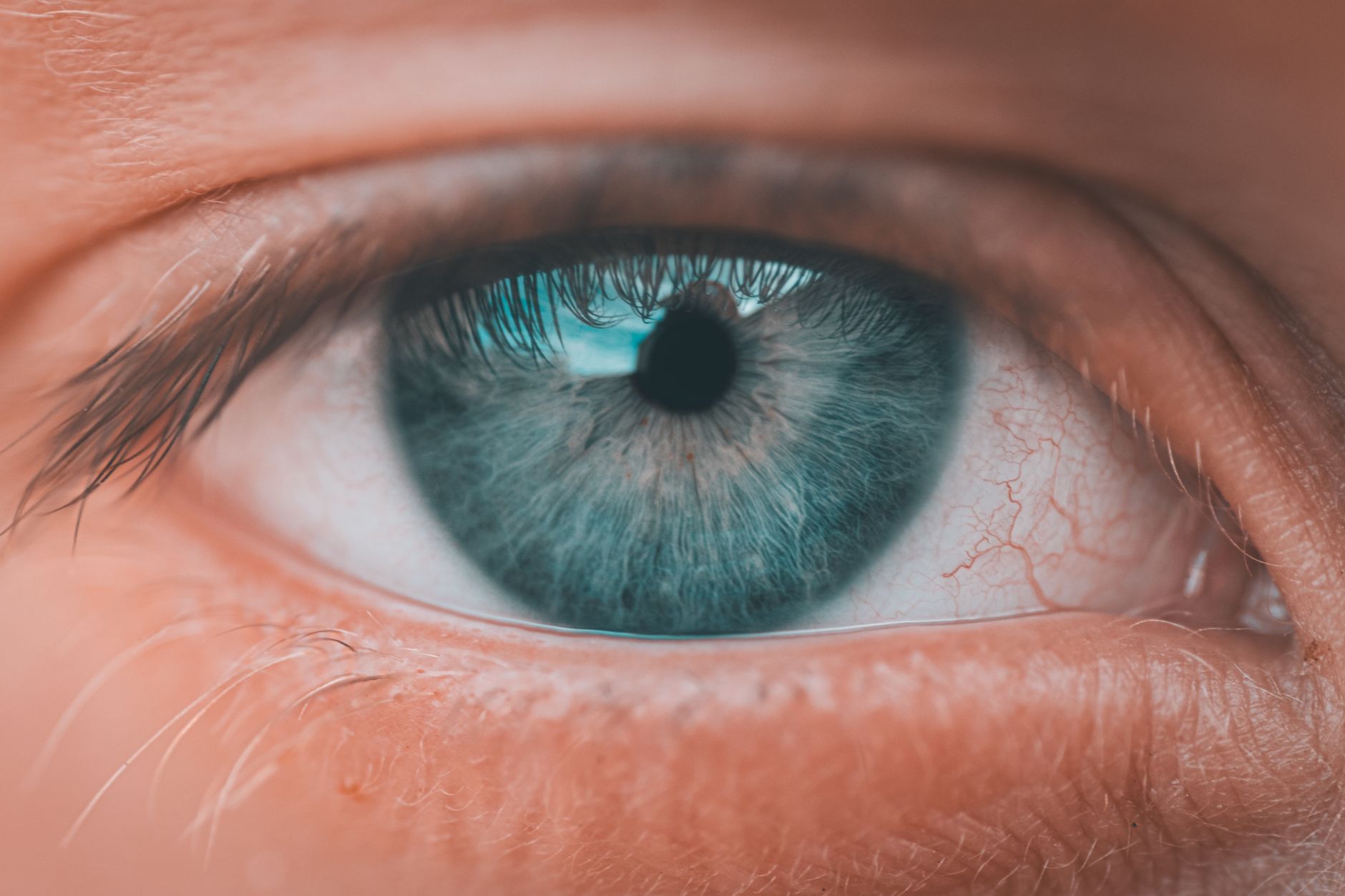
Key Takeaways
- Using astaxanthin for long covid eye floaters targets retinal microvascular inflammation and breaks down persistent oxidative debris inside the vitreous humour.
- Astaxanthin crosses both the blood-brain barrier and the blood-retinal barrier effortlessly, quenching singlet oxygen free radicals up to six thousand times more effectively than vitamin C.
- Pairing natural astaxanthin with proteolytic enzymes and systemic anti-inflammatory nutrients accelerates cellular cleanup in ocular micro-vessels.
What almost nobody tells you: Most eye specialists dismiss new-onset floaters after viral illness as standard age-related vitreous detachment, yet post-viral floaters are frequently micro-deposits of amyloid debris and clotted capillaries leaking inflammatory exudate. Astaxanthin from Haematococcus pluvialis works only when taken with dietary fat, specifically at a target dose of 12 mg daily rather than the weak 4 mg found in generic multivitamins. When I was working through post-spike microvascular inflammation, adding fat-soluble marine carotenoids stopped the visual flickering and settled vitreous cobwebs within weeks.
Do you notice annoying dark specks drifting across your visual field every morning? Using astaxanthin for long covid eye floaters has emerged as a crucial natural strategy for people who developed sudden visual cobwebs, blurred patches, or grey squiggles after a viral infection. You visit the optician, get your retinas scanned, and hear that your eyes are technically fine. Yet your vision feels clouded, strained, and exhausted by midday. In this guide, you will learn why spike-induced microclots settle in delicate retinal capillaries and how natural marine carotenoids help restore clear sight.
The Silent Pain of Post-Viral Visual Disturbances
Sudden vision changes after a viral bout are deeply unsettling. You stare at your laptop screen or look out across a sunny sky, only to see dark threads drifting across your line of sight. Traditional eye doctors often inform patients that floaters are harmless collagen clumps that simply come with age. However, when hundreds of individuals under forty suddenly develop dense clusters of floaters alongside profound fatigue and brain fog, the age explanation falls completely flat.
These disturbances stem from microvascular inflammation and cellular debris lingering in the ocular tissues. The complete protocol lives in The Waterman Protocols, where I detail how chronic systemic inflammation damages tiny micro-vessels throughout the brain, heart, and visual pathways. When spike proteins trigger endothelial lining damage, blood flow stutters inside the micro-capillaries of your eyes, creating localized hypoxia and collagen breakdown in the vitreous humour.
Ignoring these visual symptoms rarely makes them disappear. The continuous eye strain leads to tension headaches, sensitivity to fluorescent lighting, and an overwhelming sense of cognitive overload. Your brain must work twice as hard to filter out visual static, leaving you utterly drained before lunch.
Why Spike Proteins Target Retinal Capillaries and Vitreous Humour

To understand why astaxanthin for long covid eye floaters provides such profound relief, you must first understand ocular microcirculation. The human retina possesses one of the highest metabolic demands and capillary densities of any organ in the body. Delicate micro-vessels supply blood to light-sensing cells, while the gel-like vitreous humour rests right against them.
When spike proteins circulate post-infection or post-injection, they bind to ACE2 receptors found on retinal capillary endothelial cells. This interaction triggers three distinct problems:
- Endothelialitis and micro-thrombosis, where microclots choke oxygen delivery to ocular structures.
- Breakdown of the blood-retinal barrier, allowing circulating inflammatory cytokines to seep into the vitreous gel.
- Excessive oxidative stress and singlet oxygen release, which cross-links vitreous collagen fibers into visible grey floating debris.
Because the vitreous humour lacks direct internal blood circulation, clearing accumulated cellular debris and oxidized proteins takes months without targeted nutritional support. You need lipophilic, fat-soluble compounds capable of slipping across the blood-retinal barrier to neutralize free radicals directly inside the ocular chamber.
The Natural Protocol: Astaxanthin for Long COVID Eye Floaters
Astaxanthin is a natural keto-carotenoid sourced primarily from the microalgae Haematococcus pluvialis. Unlike beta-carotene or synthetic antioxidants, astaxanthin possesses a unique molecular structure with polar ionic rings and a non-polar carbon backbone. This allows it to span the entire lipid bilayer of your eye's cellular membranes, defending both the internal and external cellular environments simultaneously.
Clinical Potency and Dosing Strategy
To effectively deploy astaxanthin for long covid eye floaters, dosage and source matter enormously:
- Daily Target Dose: Take 12 mg of natural astaxanthin once daily. Clinical research on choroidal blood flow demonstrates that lower doses like 4 mg fail to build adequate tissue saturation in ocular micro-vessels.
- Essential Fat Co-Factor: Astaxanthin is strictly fat-soluble. Always swallow your capsule alongside a meal containing healthy fats, such as extra virgin olive oil, avocado, or full-fat coconut yoghurt.
- Natural Sourcing: Ensure your supplement specifies natural algal astaxanthin from Haematococcus pluvialis. Synthetic petroleum-derived astaxanthin exhibits altered stereoisomer ratios that lack proper bioactivity in human eye tissue.
Complementary Enzyme and Antioxidant Support
Astaxanthin shines brightest when paired with systemic proteolytic enzymes that break down microvascular fibrin webs. Many readers discover that pairing their carotenoid intake with an established nattokinase dosage for spike protein detox helps dissolve tiny protein aggregates lodged in capillary beds.
Furthermore, incorporating systemic antioxidants such as high-purity bromelain dosage for spike protein detox works synergistically to break down cross-linked collagen clumps while astaxanthin shields delicate photoreceptors from downstream light-induced oxidation.
```
+--------------------------------------------------------------+
| OCULAR CLEANSING SYNERGY |
| |
| [ Astaxanthin (12 mg) ] --> Quenches Vitreous Oxidation |
| + |
| [ Systemic Proteases ] --> Breaks Micro-Fibrin Strands |
| + |
| [ Healthy Dietary Fats ] --> Crosses Blood-Retinal Wall |
+--------------------------------------------------------------+
```
What Changes When You Use Astaxanthin for Long COVID Eye Floaters
When you consistently supply your visual pathways with therapeutic marine carotenoids, the physiological shift unfolds in predictable stages over twelve weeks.
Weeks 1 to 3: Reduced Eye Strain and Glare Sensitivity
During the initial weeks, the sharp edges of your visual symptoms begin to soften. Photophobia diminishes, meaning bright supermarket lighting and computer screens no longer trigger sudden temple pain. Astaxanthin boosts blood flow through the choroid layer, delivering fresh oxygen to fatigued ciliary muscles that control focus.
Weeks 4 to 8: Softening of Vitreous Cobwebs
As cellular antioxidant reserves build, the dark, hyper-defined floaters begin to disperse. Patients report that dense black squiggles fade into faint, translucent ribbons that drift off to peripheral vision rather than blocking central focus. Contrast sensitivity improves noticeably in low-light environments.
Weeks 9 to 12: Visual Steadiness and Mental Calm
By the third month, your visual baseline stabilizes. The persistent sensation of looking through a dirty pane of glass dissipates. Because your brain no longer spends continuous mental energy trying to bypass visual obstructions, your afternoon cognitive stamina rebounds dramatically.
Who Needs Astaxanthin for Long COVID Eye Floaters Most
Not all floaters require intensive carotenoid protocols, but post-viral visual disturbances represent a distinct metabolic state. This targeted intervention is specifically designed for:
- Long haulers with sudden-onset visual static: People whose vision was completely clear prior to viral infection or booster shots who now struggle with drifting cobwebs.
- Computer workers suffering intense eye fatigue: Professionals who find reading digital text exhausting due to shifting shadows across their visual field.
- Individuals with concurrent brain fog and neuroinflammation: Patients where ocular symptoms mirror deeper cognitive slowing, indicating widespread microvascular endothelial irritation.
- Those seeking natural, non-invasive ocular support: Individuals told by opticians that nothing can be done short of high-risk surgical vitrectomy or Nd:YAG laser procedures.
How to Start Your Recovery Protocol Today
Reclaiming clear vision requires consistency, patience, and correct nutrient timing. Follow these steps to begin clearing ocular debris effectively:
- Secure authentic natural astaxanthin: Purchase a certified brand providing 12 mg of natural Haematococcus pluvialis oleoresin per softgel without inflammatory seed oil fillers.
- Time your dose with your largest morning or midday meal: Take the softgel alongside dietary fats to ensure maximum absorption across your intestinal wall and into systemic circulation.
- Drink three litres of filtered water daily: Vitreous gel is 98% water. Chronic low-grade dehydration thickens vitreous collagen, making floaters clump closer together.
- Add morning systemic enzymes: Take your proteolytic enzymes on an empty stomach at least one hour before breakfast to dissolve circulating micro-fibrin deposits before taking your mealtime fat-soluble nutrients.
- Wear blue-light filtering lenses during screen time: Lowering artificial high-energy visible light exposure reduces retinal singlet oxygen production, allowing astaxanthin to focus on healing existing vitreous damage.
- Track your visual changes weekly: Write down the density and transparency of your floaters once a week against a plain white wall to monitor your progress objectively.
Restoring Visual Clarity and Long-Term Cellular Health
Living with visual debris creates constant low-level anxiety. Every time you step outside into bright daylight or sit down to work, those dark shadows remind you of lingering post-viral inflammation. Yet your body has an astonishing capacity to repair microvascular tissues when given the correct molecular tools.
By quenching ocular oxidative stress at the cellular membrane level, natural marine carotenoids protect retinal capillaries from chronic microvascular injury. The complete systemic healing protocol is laid out in Matt's book, offering a step-by-step roadmap for clearing lingering spike proteins, healing vascular walls, and reclaiming your physical energy. Take control of your daily nutritional habits today, feed your visual pathways with therapeutic carotenoids, and step back into a brighter, clearer world.
Frequently asked questions
How long does astaxanthin take to improve long COVID eye floaters?+
Most people notice improved contrast and reduced eye strain within three to four weeks. However, because the vitreous humour has no direct blood supply, clearing dense protein debris and noticeable floaters typically requires eight to twelve weeks of consistent daily supplementation alongside dietary fats.
Can synthetic astaxanthin clear visual floaters after viral infection?+
Synthetic astaxanthin is made from petrochemicals and possesses a different chemical shape that lacks the powerful antioxidant capacity of natural forms. Always choose natural astaxanthin extracted from Haematococcus pluvialis microalgae to ensure it properly crosses the blood-retinal barrier.
Why do eye floaters appear suddenly after contracting long COVID?+
Spike proteins bind to endothelial receptors in small retinal blood vessels, provoking microclotting, poor oxygenation, and oxidative stress. This localized inflammation causes vitreous collagen strands to break down, clump together, and cast visible shadows on your light-sensing retina.
What daily dose of astaxanthin works best for visual recovery?+
A clinical dose of 12 mg taken once daily with a fat-containing meal delivers the tissue concentrations needed for ocular repair. Standard 4 mg doses found in general eye health blends often prove too weak for post-viral microvascular inflammation.
Is astaxanthin safe to combine with systemic enzymes like nattokinase?+
Yes, pairing astaxanthin with systemic enzymes is highly complementary. Astaxanthin quenches free radicals and stabilizes capillary walls, while enzymes like nattokinase help clear systemic micro-fibrin webs, provided you consult your doctor if you take prescription blood thinners.
Get the full protocol in the book
Everything in this article — plus the full step-by-step protocols, exact dosages and the Iced Shake Method — is inside The Waterman Protocols.
Get the Book on Amazon →