Nattokinase for Long COVID Chest Tightness: 7 Proven Steps
How targeted fibrinolytic enzymes break down stubborn pulmonary microclots and resolve persistent chest constriction.

Key Takeaways
- Using nattokinase for long covid chest tightness targets persistent fibrin-rich microclots trapped within pulmonary and coronary capillaries.
- Standard cardiology scans miss these microscopic blockages, leaving millions told their lungs and heart are normal despite severe physical constriction.
- Therapeutic recovery requires taking 2,000 to 4,000 FU of nattokinase strictly on an empty stomach alongside bromelain to dissolve spike protein debris.
The bit the guidelines miss: When your cardiologist runs a D-dimer, an echocardiogram, or a high-resolution CT scan and declares your chest perfectly healthy, they are telling the truth about macro-clots, but completely blind to microclots. Research led by Professor Resia Pretorius demonstrated that spike protein induces anomalous amyloid fibrin aggregates between 1 and 200 micrometres wide that choke capillary perfusion without triggering conventional scan alerts. Furthermore, taking nattokinase with your morning eggs or porridge renders it useless for vascular repair because your digestive tract burns it up as a protein-digesting enzyme rather than absorbing it into systemic circulation.
Does your chest feel trapped in a vice? Using nattokinase for long covid chest tightness offers a targeted, biological solution for the air hunger and crushing pressure that standard medicine keeps dismissing. You visit hospital, undergo repeated electrocardiograms, and have your blood drawn for troponin, only to be told everything looks clear. Yet every breath feels shallow, your ribs feel banded, and walking up a gentle flight of stairs leaves you gripping the banister. You are not imagining this pain. In this guide, you will learn exactly why microvascular clots trigger this constriction and how to dissolve them safely at home.
Why Post-Viral Chest Pressure Persists After Clean Scans
The most maddening aspect of long COVID chest tightness is the void of clinical answers. You sit in front of a specialist who reviews an immaculate echocardiogram, listens to clear lungs through a stethoscope, and hints that your symptoms stem from anxiety. You know your body, and you know this is physical.
The problem lies in the scale of observation. Hospital imaging machines look for massive architectural failures: a pulmonary embolism blocking a major artery, heart muscle death, or acute pericardial effusion. They cannot see your microcirculation, where single red blood cells must squeeze through capillaries five micrometres wide.
When SARS-CoV-2 spike protein interacts with platelets and endothelial linings, it leaves behind an invisible trail of microscopic blockages. The complete protocol lives in The Waterman Protocols, where I document how systemic enzymes systematically dismantle this post-viral debris. Without an active fibrinolytic agent to clear the microvascular bed, oxygen cannot efficiently diffuse from your alveoli into your bloodstream, creating that relentless sensation of suffocation.
The Microclot Mechanism Behind Post-COVID Constriction
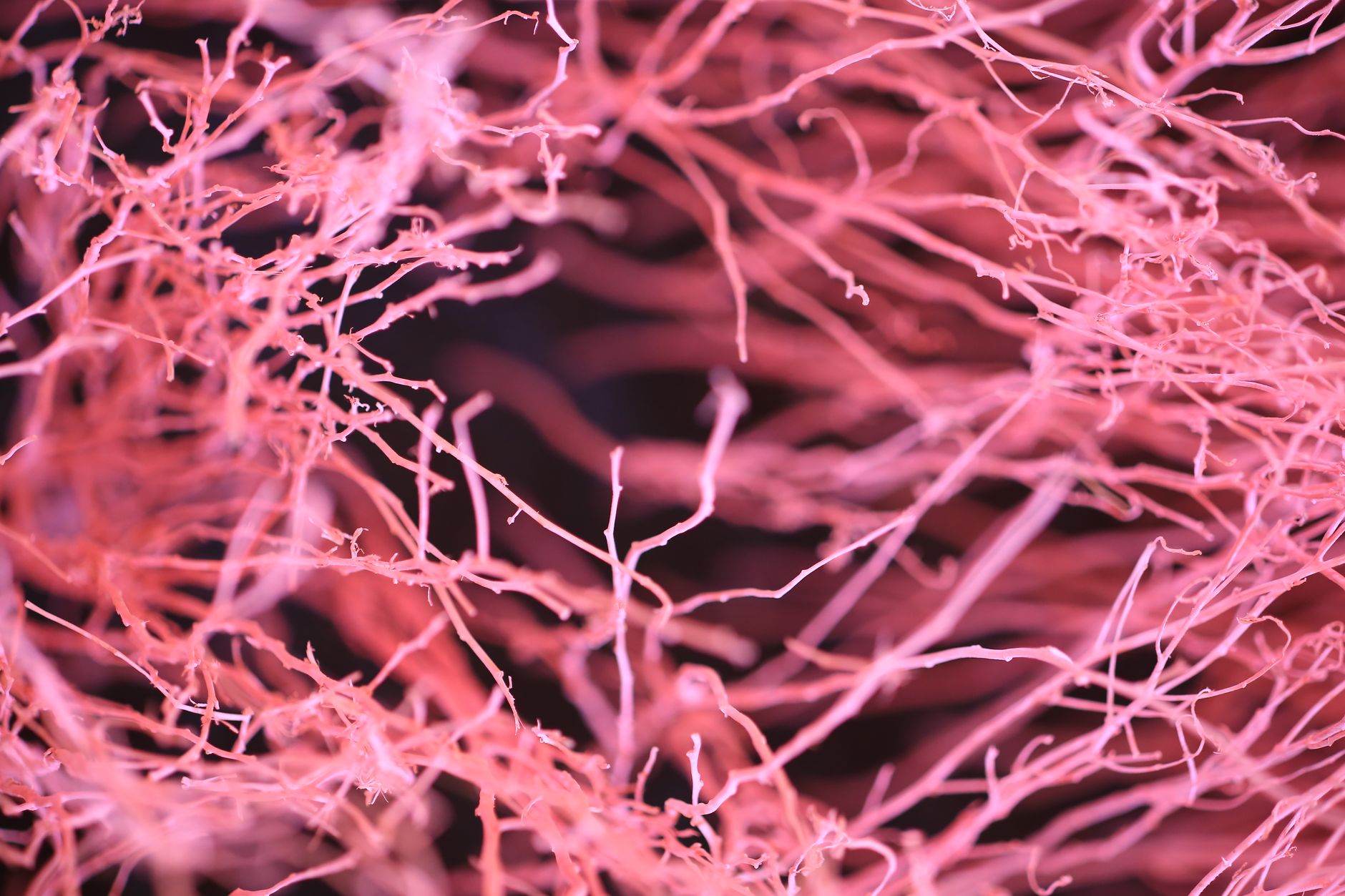
To understand why your chest aches, you must understand fibrin. Under normal circumstances, when you cut your finger, fibrinogen converts into a mesh-like soluble fibrin web to stop the bleeding. Once healed, your body releases plasmin, an enzyme that dissolves the clot cleanly.
Spike protein changes the chemistry of blood clotting entirely. Groundbreaking haematological studies by Pretorius and Kell revealed that spike protein binds directly to fibrinogen, causing it to fold into an anomalous, amyloid form. These amyloid microclots are dense, structurally distorted, and resistant to your body's natural plasmin breakdown.
These tiny, insoluble plugs circulate through your vascular tree until they lodge in the dense capillary networks of your lungs and heart wall. As these capillaries clog:
- Oxygen exchange drops sharply, producing sudden air hunger even while resting.
- Intercostal muscles work overtime to expand a chest that feels stiff and unyielding.
- Coronary microvessels suffer hypoperfusion, creating a dull, radiating ache across the sternum.
- Entrapped inflammatory cytokines continuously irritate local nerve endings, firing off chest pain signals.
Your lungs are not scarred, and your coronary arteries are not blocked by cholesterol plaques. Instead, millions of microscopic, amyloid clots are choking local tissue perfusion. You do not need an inhaler; you need an enzyme capable of degrading cross-linked amyloid fibrin.
The Natural Protocol: Nattokinase for Long COVID Chest Tightness
Nattokinase is a potent proteolytic enzyme purified from natto, a traditional Japanese fermented soybean food. Produced by the bacterium Bacillus subtilis var. natto, this enzyme possesses extraordinary fibrinolytic activity that works through two distinct pathways. First, it cleaves cross-linked fibrin meshes directly. Second, it enhances your body's endogenous production of tissue plasminogen activator (t-PA), restoring your natural ability to clear vascular sludge.
A landmark 2022 laboratory study published by Tanikawa and colleagues showed that nattokinase also directly degrades the SARS-CoV-2 spike protein in a dose- and time-dependent manner. By breaking down both the circulating spike protein and the amyloid microclots it creates, nattokinase addresses the root cause of post-viral chest restriction.
To achieve therapeutic results, you must follow a structured dosing and timing framework.
1. Therapeutic Dosing Strategy
Nattokinase is measured in Fibrinolytic Units (FU), not milligrams. A standard maintenance dose for general cardiovascular wellness is 2,000 FU per day. However, for post-viral microvascular clearance, that baseline is rarely sufficient.
- Starting Phase (Days 1 to 7): Take 2,000 FU once daily in the morning to assess your body's tolerance.
- Therapeutic Phase (Week 2 onwards): Increase to 4,000 FU daily, split into 2,000 FU upon waking and 2,000 FU before bed.
- Severe Symptoms: Some individuals require up to 6,000 to 8,000 FU daily for short periods, dividing the dose across three intervals.
2. The Non-Negotiable Empty Stomach Rule
This is where most people fail. If you swallow nattokinase with breakfast, lunch, or even a splash of milk in your tea, the enzyme acts on your food. It behaves like a digestive protease, breaking down dietary proteins in your stomach rather than entering your systemic circulation intact.
- Take your morning dose immediately upon waking with a large glass of filtered water.
- Wait at least 45 to 60 minutes before consuming any calories, coffee, or tea.
- Take your evening dose at least two hours after your evening meal, just before sleep.
3. Synergistic Enzymes: The Bromelain Partner
While nattokinase dissolves fibrin, pairing it with bromelain creates a profound therapeutic synergy. Bromelain is a mixture of proteolytic enzymes extracted from pineapple stems. It possesses strong anti-inflammatory properties, degrades spike protein along alternative cleavage sites, and reduces the swelling of inflamed capillary walls.
Taking 500 mg of bromelain alongside your nattokinase accelerates the breakdown of entrapped inflammatory debris. If you want to explore the science behind this pairing, see our guide on pairing bromelain with nattokinase for comprehensive timing strategies.
4. Hydration and Vascular Flushing
As microclots break down, your body mobilises cellular debris and trapped cytokines into the bloodstream. If you are dehydrated, this can trigger a temporary flare in fatigue or headache, often called a Herxheimer-like reaction.
Drink at least 2.5 litres of mineral-rich water daily. Adding a pinch of unrefined sea salt ensures proper cellular hydration, supporting your lymphatic system as it filters out digested fibrin fragments.
What Changes When You Use Nattokinase for Long COVID Chest Tightness

Recovery from microvascular clumping is not an overnight switch, but a progressive physiological unburdening. Here is what you can expect as systemic fibrinolysis takes place across weeks of consistent dosing.
Days 1 to 7: The Initial Shift
During the first week, your vascular tree begins processing the enzyme. Some people experience a mild headache, light muscle aching, or a transient metallic taste. This occurs as dormant, trapped inflammatory mediators are liberated from newly opened microvessels.
By day five or six, you will likely notice your first deep, satisfying breath. The sensation of a heavy sandbag resting on your sternum begins to lighten, particularly in the mornings.
Weeks 2 to 4: Capillary Perfusion Returns
As microclots in the pulmonary capillaries dissolve, ventilation-perfusion matching improves. Air hunger recedes, meaning you no longer feel the desperate urge to yawn or gasp just to fill your lungs.
Physical tasks that previously triggered intense chest constriction, such as walking up stairs or carrying shopping bags, become manageable without the sudden band of tightness across your ribs. Your heart rate variability often climbs as autonomic stress signals from under-oxygenated tissue subside.
Month 2 and Beyond: Tissue Remodelling
By the end of the second month, the chronic low-grade inflammation of your coronary and bronchial endothelium resolves. The tight band sensation disappears, replaced by effortless, diaphragm-driven breathing. For those dealing with widespread microvascular issues, combining this protocol with a dedicated protocol for microclot breakdown ensures whole-body systemic recovery.
Who Needs Nattokinase for Long COVID Chest Tightness Most
This specific enzyme approach is not a generic wellness booster. It is designed for individuals suffering from precise post-viral microvascular pathologies.
1. Patients with Clear Scans but Severe Symptoms
If you have had an echocardiogram, chest X-ray, D-dimer blood test, and Holter monitor, and every doctor insists you are in peak cardiovascular health while you can barely breathe, your issue is microvascular. Standard imaging cannot visualise amyloid microclots. Nattokinase works directly where scans cannot see.
2. Those Experiencing Orthostatic and Exertional Dyspnoea
If standing up or performing mild physical exertion makes your chest seize up or causes your pulse to race disproportionately, microvascular resistance is likely elevating your cardiac workload. By clearing capillary beds, nattokinase lowers peripheral vascular resistance and relieves myocardial strain.
3. Sufferers of Post-Vaccine or Post-Infection Vascular Sludge
Whether your symptoms appeared after a symptomatic viral infection or within weeks of an mRNA vaccination, the underlying culprit remains identical: spike protein interaction with vascular endothelium and platelets. Nattokinase does not care about the origin of the spike protein; it degrades the resulting fibrin meshes impartially.
| Feature | Conventional Cardiac Issues | Long COVID Chest Tightness |
| :--- | :--- | :--- |
| Primary Cause | Atherosclerosis, large clot, valve failure | Amyloid fibrin microclots, endothelialitis |
| Diagnostic Tests | ECG changes, elevated troponin, positive CT | Normal ECG, normal troponin, normal scans |
| Target Vessels | Major coronary and pulmonary arteries | Capillary beds (5 to 10 micrometres wide) |
| Effective Solution | Stents, blood thinners, beta blockers | Systemic fibrinolytic enzymes (Nattokinase) |
| Standard Prognosis | Clear clinical management path | Frequently misdiagnosed as anxiety |
How to Start Your Recovery Protocol Today

Do not jump straight into maximum doses without preparing your body. Follow this step-by-step checklist to implement the protocol safely and effectively.
- Verify Your Medication Profile: Check that you are not currently taking prescription anticoagulant or antiplatelet drugs (such as Warfarin, Eliquis, or daily high-dose aspirin). Nattokinase has blood-thinning properties and should not be combined with pharmaceuticals without medical supervision.
- Source Pure, Standardised Nattokinase: Look for a reputable supplement displaying its activity in Fibrinolytic Units (FU). Ensure it is NSK-SD certified or clearly lab-tested to be free from vitamin K2 if you have specific clotting sensitivities.
- Set an Early Morning Alarm: Place your nattokinase capsules and a full glass of water by your bed. Swallow 2,000 FU the second you wake up, allowing a full 60 minutes before breakfast.
- Introduce Evening Dosing at Day 8: Once you confirm good digestive and vascular tolerance, add a second 2,000 FU dose right before sleep, at least two hours after dinner.
- Track Your Respiratory Benchmarks: Keep a simple daily journal. Note how many flights of stairs you can climb before chest tightness appears, how often you experience air hunger, and your morning resting heart rate.
Reclaiming Full, Deep Breaths for Good
Living with post-viral chest tightness is an exhausting, isolating experience. When the medical system tells you nothing is wrong while your chest feels bound in iron, it is easy to despair. But your symptoms have a clear physical cause: amyloid microclots trapped within your microvasculature, starved of oxygen and inflamed by persistent spike protein fragments.
You do not have to accept this constriction as your permanent baseline. By using targeted systemic enzymes on an empty stomach, you give your vascular system the exact biological tool it requires to clear the blockages, dissolve the debris, and restore healthy perfusion.
The complete step-by-step blueprint lives inside The Waterman Protocols alongside exact timing schedules, dietary pairings, and synergistic stacks designed to resolve post-viral exhaustion once and for all. Take your first dose on an empty stomach tomorrow morning, stay consistent, and give your body the tools to breathe freely again.
*
Frequently Asked Questions
What is the best daily dose of nattokinase for chest tightness?
For post-viral microvascular symptoms, the therapeutic target is typically 4,000 FU daily. It is best taken as 2,000 FU upon waking and 2,000 FU before sleep, strictly on an empty stomach. Some individuals temporarily increase to 6,000 FU under guidance if symptoms remain stubborn.
How long does it take for nattokinase to relieve chest pressure?
Most people notice an initial reduction in chest tightness within ten to fourteen days of consistent empty-stomach dosing. Full microvascular clearance and the complete resolution of exertional air hunger generally require six to twelve weeks, as dense amyloid microclots break down gradually.
Can I take nattokinase if I am already on blood thinners?
You should not combine nattokinase with pharmaceutical anticoagulants like apixaban, rivaroxaban, or warfarin without professional medical supervision. Nattokinase possesses natural fibrinolytic and mild blood-thinning properties, which can create an additive effect and elevate bleeding risks when taken alongside prescription medication.
Why must nattokinase be taken strictly on an empty stomach daily?
When taken with food, your stomach treats nattokinase as a digestive enzyme, breaking it down to digest dietary proteins. To reach your bloodstream intact and dissolve vascular microclots, it must be taken at least 45 minutes before eating or two hours after a meal.
Does nattokinase directly degrade residual spike protein in lung blood vessels?
Yes. Laboratory research shows that nattokinase actively cleaves and degrades the SARS-CoV-2 spike protein in addition to breaking down fibrin meshes. This dual action targets both the persistent viral fragments and the anomalous microclots causing microvascular pulmonary obstruction.
Frequently asked questions
What is the best daily dose of nattokinase for chest tightness?+
For post-viral microvascular symptoms, the therapeutic target is typically 4,000 FU daily. It is best taken as 2,000 FU upon waking and 2,000 FU before sleep, strictly on an empty stomach. Some individuals temporarily increase to 6,000 FU under guidance if symptoms remain stubborn.
How long does it take for nattokinase to relieve chest pressure?+
Most people notice an initial reduction in chest tightness within ten to fourteen days of consistent empty-stomach dosing. Full microvascular clearance and the complete resolution of exertional air hunger generally require six to twelve weeks, as dense amyloid microclots break down gradually.
Can I take nattokinase if I am already on blood thinners?+
You should not combine nattokinase with pharmaceutical anticoagulants like apixaban, rivaroxaban, or warfarin without professional medical supervision. Nattokinase possesses natural fibrinolytic and mild blood-thinning properties, which can create an additive effect and elevate bleeding risks when taken alongside prescription medication.
Why must nattokinase be taken strictly on an empty stomach daily?+
When taken with food, your stomach treats nattokinase as a digestive enzyme, breaking it down to digest dietary proteins. To reach your bloodstream intact and dissolve vascular microclots, it must be taken at least 45 minutes before eating or two hours after a meal.
Does nattokinase directly degrade residual spike protein in lung blood vessels?+
Yes. Laboratory research shows that nattokinase actively cleaves and degrades the SARS-CoV-2 spike protein in addition to breaking down fibrin meshes. This dual action targets both the persistent viral fragments and the anomalous microclots causing microvascular pulmonary obstruction.
Get the full protocol in the book
Everything in this article — plus the full step-by-step protocols, exact dosages and the Iced Shake Method — is inside The Waterman Protocols.
Get the Book on Amazon →